How they heat
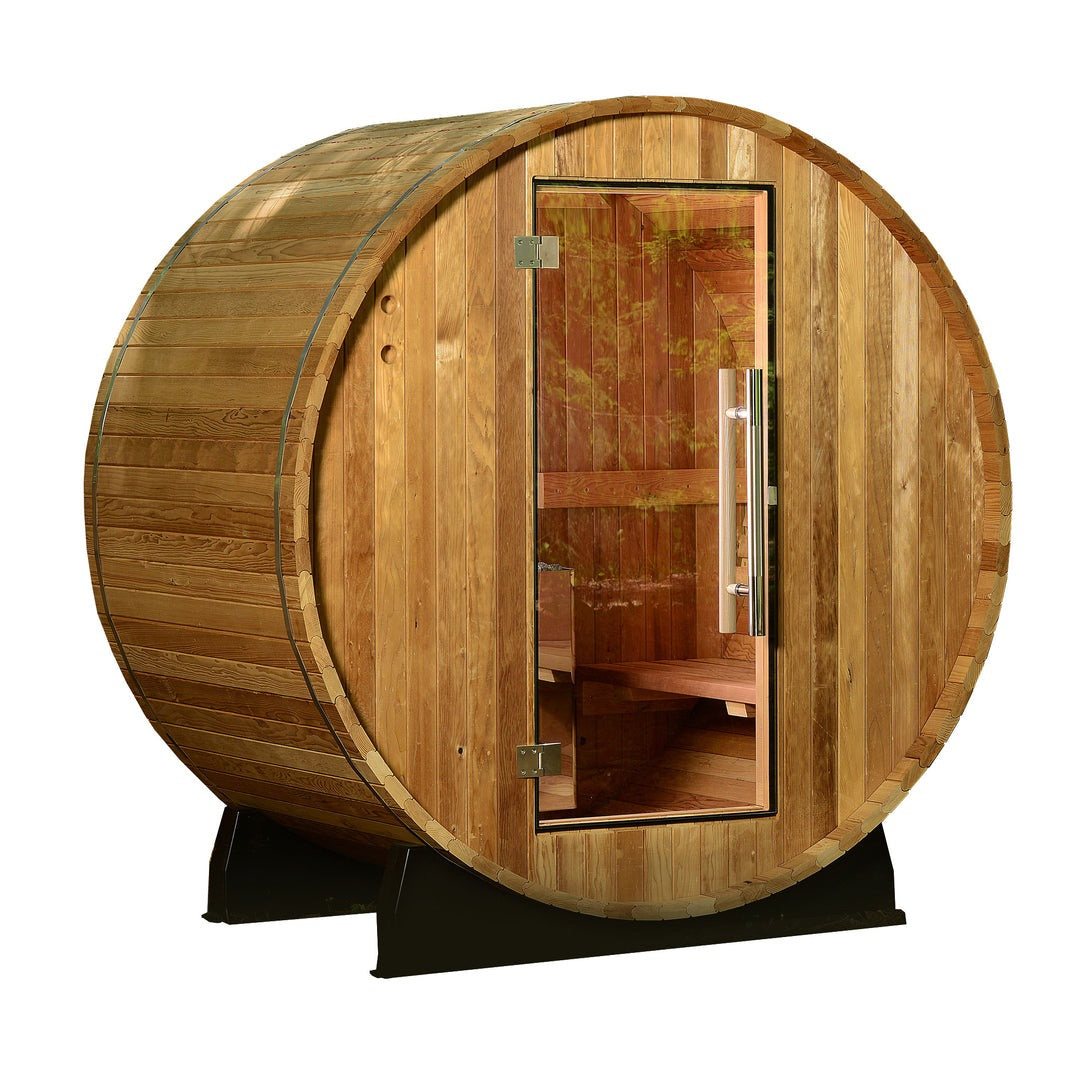
Traditional saunas heat the air using an electric or wood-burning heater with rocks. The room reaches 175-200°F. You can pour water on the rocks for steam (löyly), adding humidity. Your body heats up because the surrounding air is extremely hot.
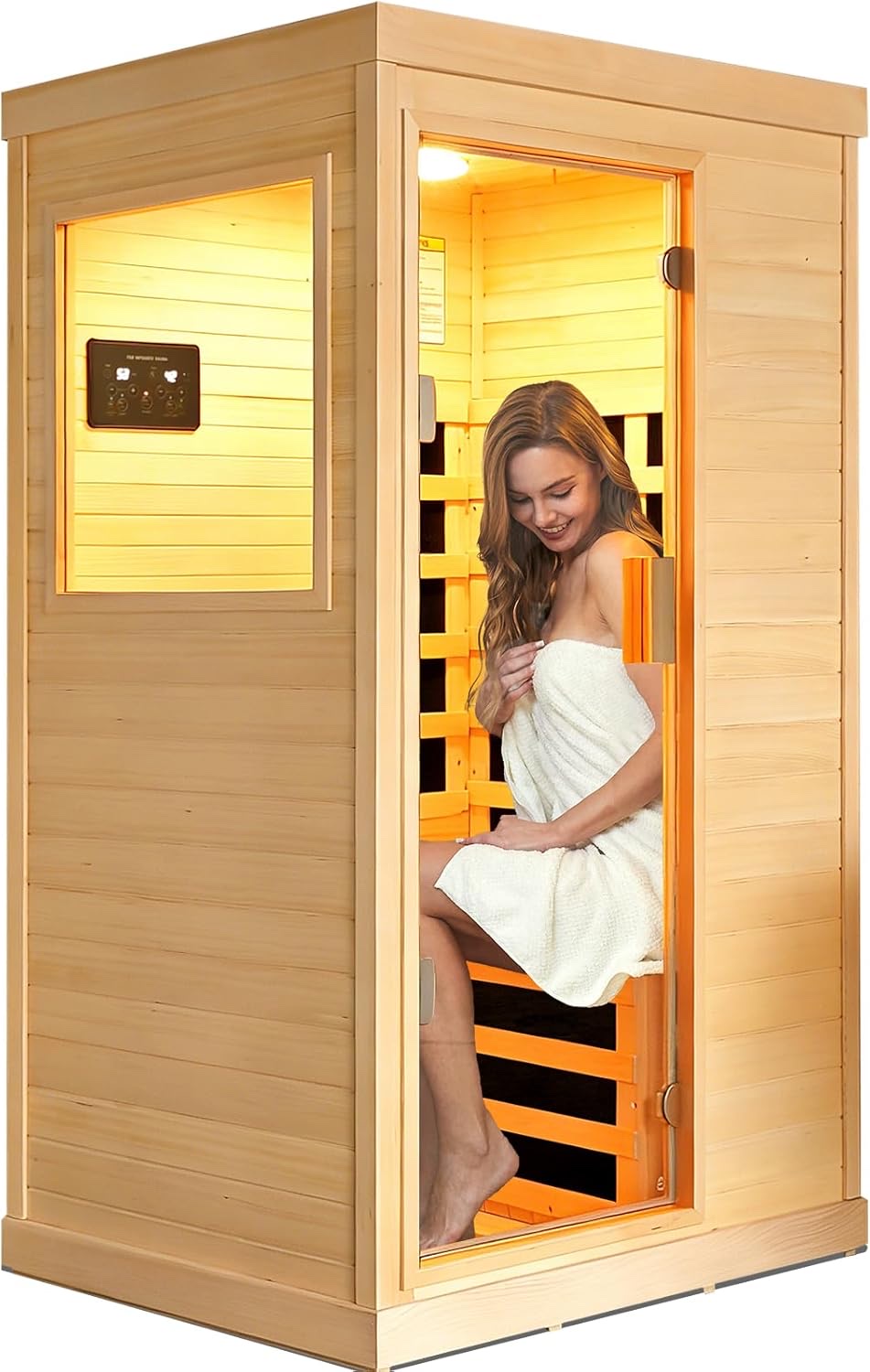
Infrared saunas use far infrared panels that emit electromagnetic radiation at wavelengths that penetrate 1-2 inches into your body. The air temperature stays lower (110-170°F) because the panels heat you directly, not the air. There's no steam option.
The result: traditional saunas feel hotter and more intense. Infrared saunas feel gentler while still raising your core temperature effectively.
Health benefits compared
The Finnish cardiovascular studies that showed 50% reduced cardiac risk used traditional saunas. However, subsequent infrared research shows comparable improvements in blood pressure, vascular function, and endothelial health. Both types trigger the heat shock protein response. Both improve recovery and mood.
Where they may differ: traditional saunas provide a stronger cardiovascular stimulus due to higher air temperatures and the optional humidity. Infrared may provide better targeted tissue penetration. For most people pursuing general wellness, both types deliver similar benefits.
Home installation
This is where infrared wins decisively for most home buyers. Infrared cabin saunas like the OUTEXER plug into a standard 120V outlet. No electrician, no special wiring, no ventilation requirements. They heat up in 15-20 minutes.
Traditional saunas like the Almost Heaven Barrel require a 240V dedicated circuit ($200-500 for an electrician), adequate ventilation, and a reinforced floor or outdoor foundation. They take 30-45 minutes to heat up. The installation cost and effort is significantly higher.
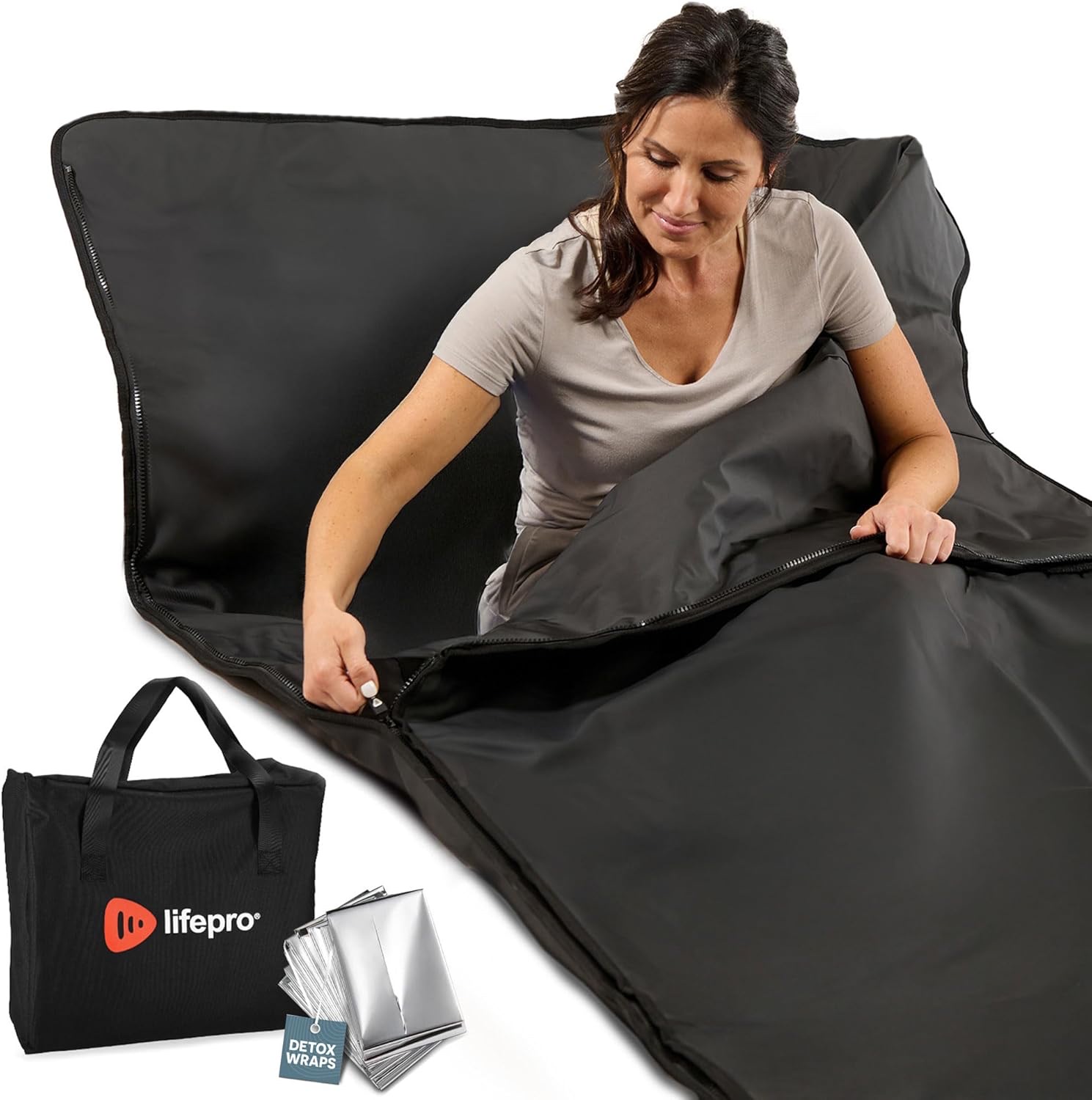
Sauna blankets and portable tents (all infrared) require zero installation. Traditional heat simply isn't available in blanket or portable form factors.
Which should you choose?
Choose infrared if: You're installing at home for the first time, want easy setup, prefer gentle heat, or have limited space. The LifePro sauna blanket ($400) or OUTEXER cabin ($1,000) are the best entry points.
Choose traditional if: You love the authentic Finnish sauna experience, want maximum heat with steam, have outdoor space, and are willing to invest in proper installation. The Almost Heaven barrel ($3,299) is the most accessible traditional option.
Many serious sauna enthusiasts eventually own both: infrared for convenient weekday sessions and traditional for the full weekend experience.