The actual study
The 250% figure comes from a 2000 study by Šrámek et al. published in the European Journal of Applied Physiology. Researchers immersed participants in 57°F (14°C) water for one hour (not 2 minutes, not 5 minutes, a full hour) and measured catecholamine levels in blood plasma.
Dopamine increased 250% above baseline. Norepinephrine increased 530%. These are massive increases compared to most interventions. For comparison, exercise typically increases dopamine by 50-100%, and caffeine by roughly 30-50%.
Important caveat: this was a one-hour immersion at 57°F. Most people cold plunge for 2-5 minutes at 45-55°F. The absolute dopamine increase scales with duration and cold intensity. Shorter, warmer plunges still produce significant increases, but likely not the full 250%.
Why the sustained elevation matters
Most dopamine-releasing activities (social media, sugar, stimulants) cause a sharp spike followed by a crash below baseline. This is why scrolling Instagram feels good in the moment and empty after. The trough below baseline creates craving for more.
Cold exposure produces a different curve. Dopamine rises gradually during immersion and remains elevated for 2-3 hours after you get out, without the subsequent crash. Norepinephrine follows a similar sustained pattern.
This sustained elevation is why regular cold plungers report lasting improvements in mood, focus, and motivation, not a temporary high. The neurochemistry supports a stable mood lift rather than a roller coaster.
What it feels like in practice
"250% more dopamine" doesn't mean you feel 2.5x happier. Dopamine is associated with motivation, reward anticipation, and focus, not pure happiness. What most people describe after a cold plunge is: heightened alertness, a feeling of accomplishment, reduced anxiety, and a calm, focused energy that lasts for hours.
The first 30 seconds are awful. Your sympathetic nervous system fires, your breathing becomes rapid, and every instinct says get out. Then, somewhere around 60-90 seconds, the shift happens. Your breathing normalizes, the cold becomes manageable, and by the time you exit, you feel genuinely different.
That transition, from acute stress to calm mastery, is the real mechanism. The dopamine increase is the biochemical correlate. The subjective experience is what keeps people coming back.
How to get started
You don't need a one-hour immersion to benefit. Research on cold showers (which are significantly warmer and less intense) still shows meaningful norepinephrine increases. A 2016 Dutch study found that 30 seconds of cold showering reduced sick days by 29%.
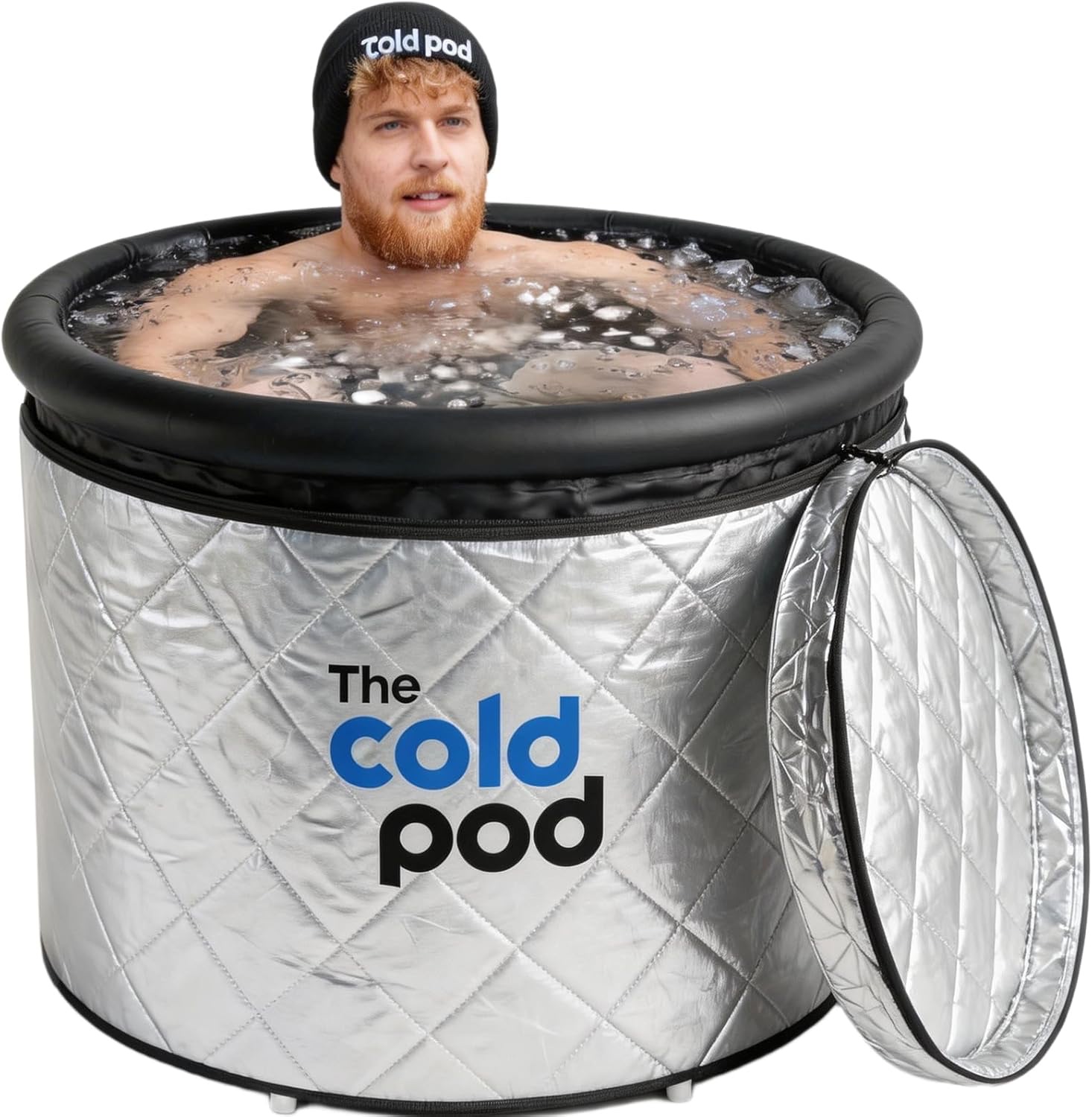
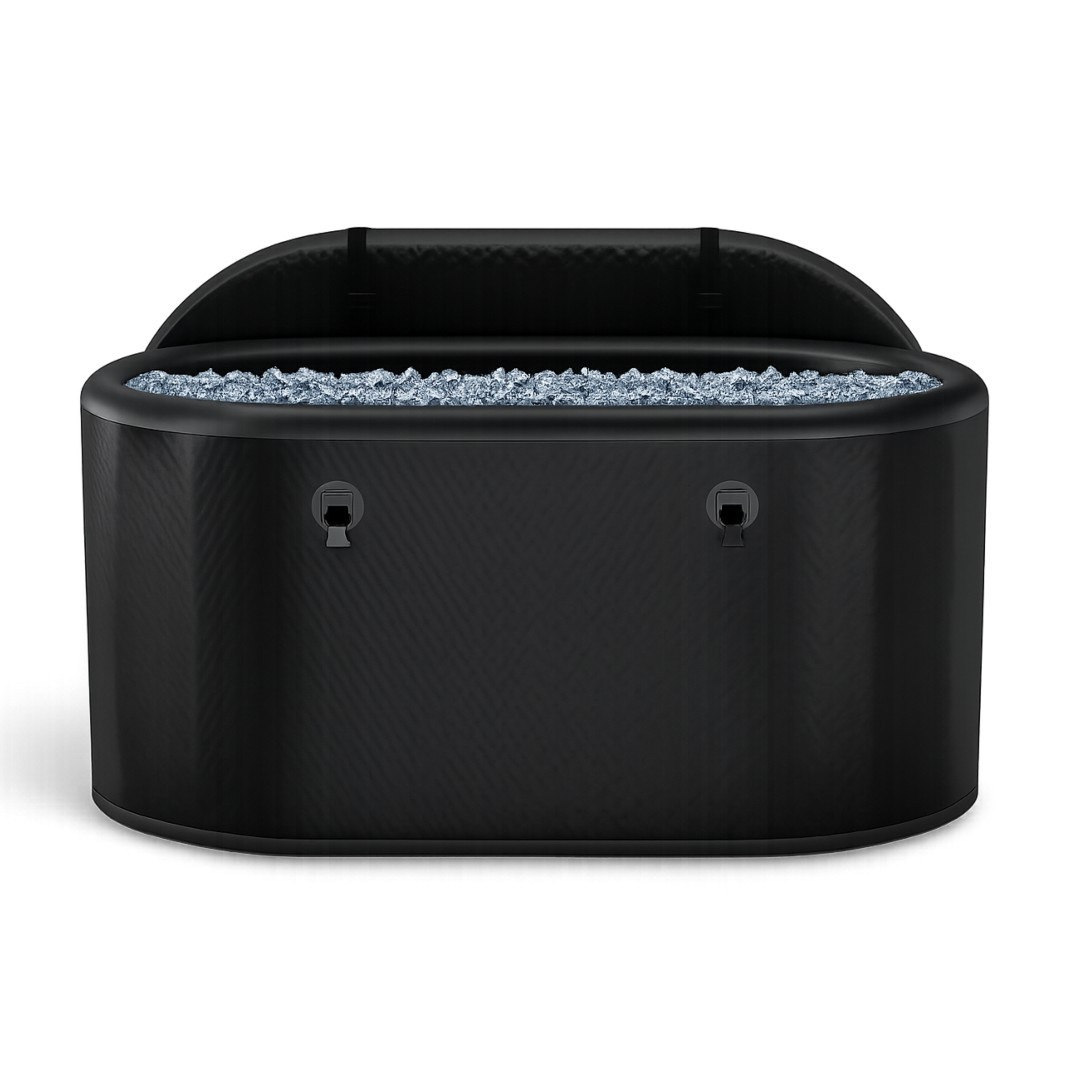
Start with the end of your regular shower, 30 seconds of cold. Build to 60, then 90 seconds. When you're ready for full immersion, a Cold Pod at $99 or a Canuck Portable at $650 lets you control temperature and duration precisely.
Target 50°F for 2-3 minutes. That's sufficient for a substantial neurochemical response without requiring the extreme protocol from the original study. Read our beginner's guide for the full ramp-up protocol.