The fundamental difference: immersion vs. spray
A cold plunge submerges your entire body in uniformly cold water. Every square inch of skin gets the same temperature stimulus simultaneously. A cold shower sprays cold water on whatever body part faces the stream. Your back gets cold while your front stays relatively warm, then you rotate.
This matters because the body's cold response is proportional to the total skin surface area exposed. Full immersion activates far more cold receptors at once, triggering a stronger autonomic nervous system response. Research published in the European Journal of Applied Physiology found that full-body cold water immersion produced significantly higher norepinephrine increases than partial body exposure at the same temperature.
Temperature: the numbers don't lie
Most home water heaters have cold water lines between 55-70°F depending on your location and season. That's the coldest your shower gets without modification. A cold plunge with ice or a chiller reaches 38-50°F, a full 15-30 degrees colder.
Temperature matters because the intensity of the hormonal and cardiovascular response scales with how cold the water is. A 2000 study found that immersion in 57°F water increased norepinephrine by 530% and dopamine by 250%. These numbers drop substantially at warmer temperatures. Your shower simply cannot get cold enough to replicate this response in most climates.
Recovery: plunge wins clearly
For post-exercise recovery, the evidence favors cold water immersion over showers. A 2012 meta-analysis of 17 trials found that cold water immersion at 50-59°F for 10-15 minutes significantly reduced delayed onset muscle soreness compared to passive recovery. Cold showers haven't been studied with the same rigor for recovery, largely because the temperature and coverage aren't sufficient.
If you're an athlete or serious about training recovery, a cold plunge is the more evidence-based choice. A cold shower after a workout is better than nothing, but it's not delivering the same anti-inflammatory response.
Mental health and mood: both work
Here's where cold showers hold their ground. The mood-boosting effects of cold exposure come from the norepinephrine spike, and even a moderately cold shower triggers a meaningful increase. A 2008 study proposed cold showers as a potential treatment for depression, noting that the dense network of cold receptors in the skin sends a massive number of electrical impulses to the brain when activated.
The practical advantage of cold showers for mental health is consistency. You can take a cold shower every single day with zero preparation. A cold plunge requires setup, ice (unless you have a chiller), and time. For daily mood management, the best method is the one you'll actually do consistently.
Cost comparison
Cold shower: $0 additional cost. You already have one.
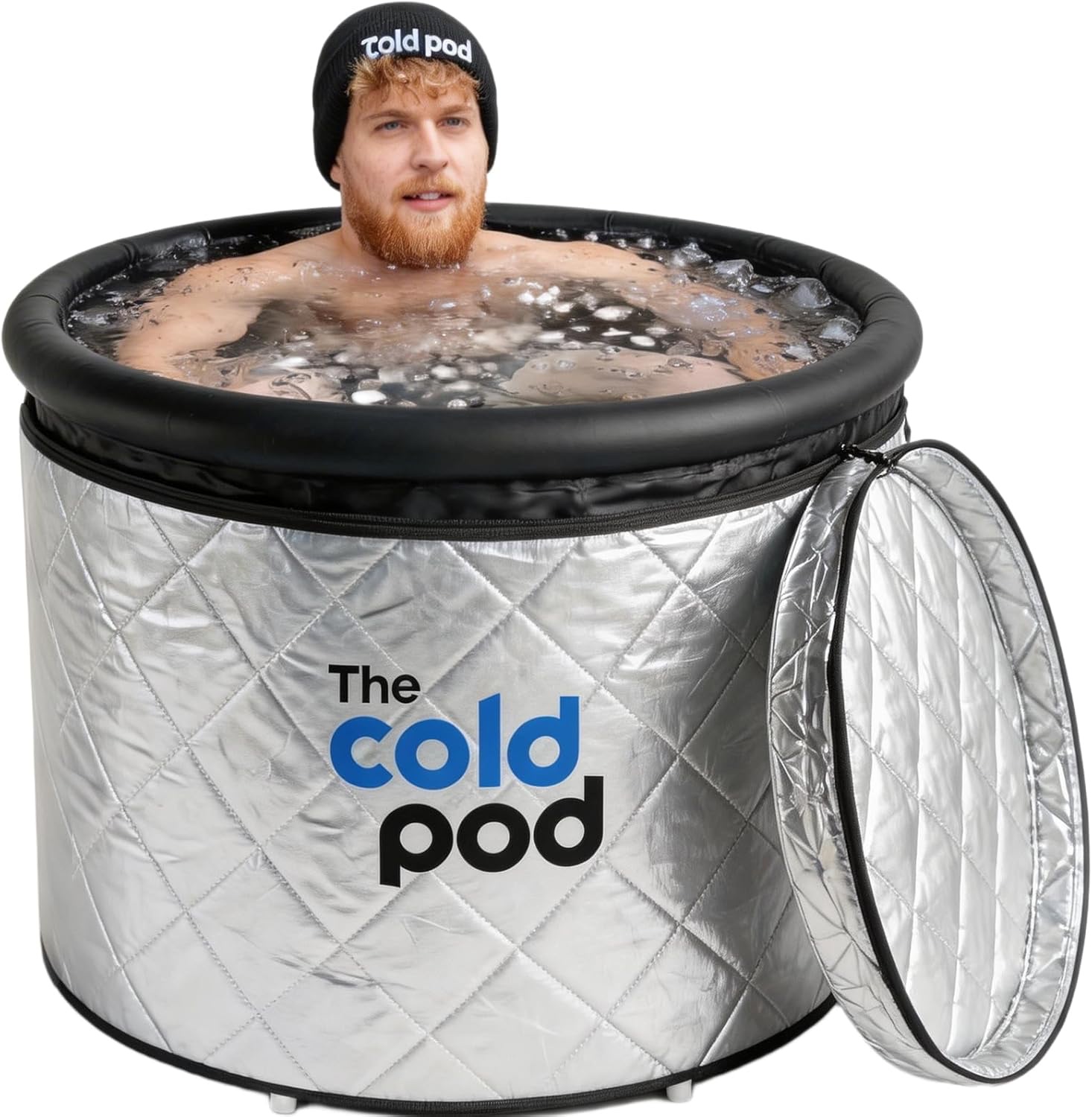
Cold plunge entry level: $99 for a Cold Pod + $3-5 per session in ice.
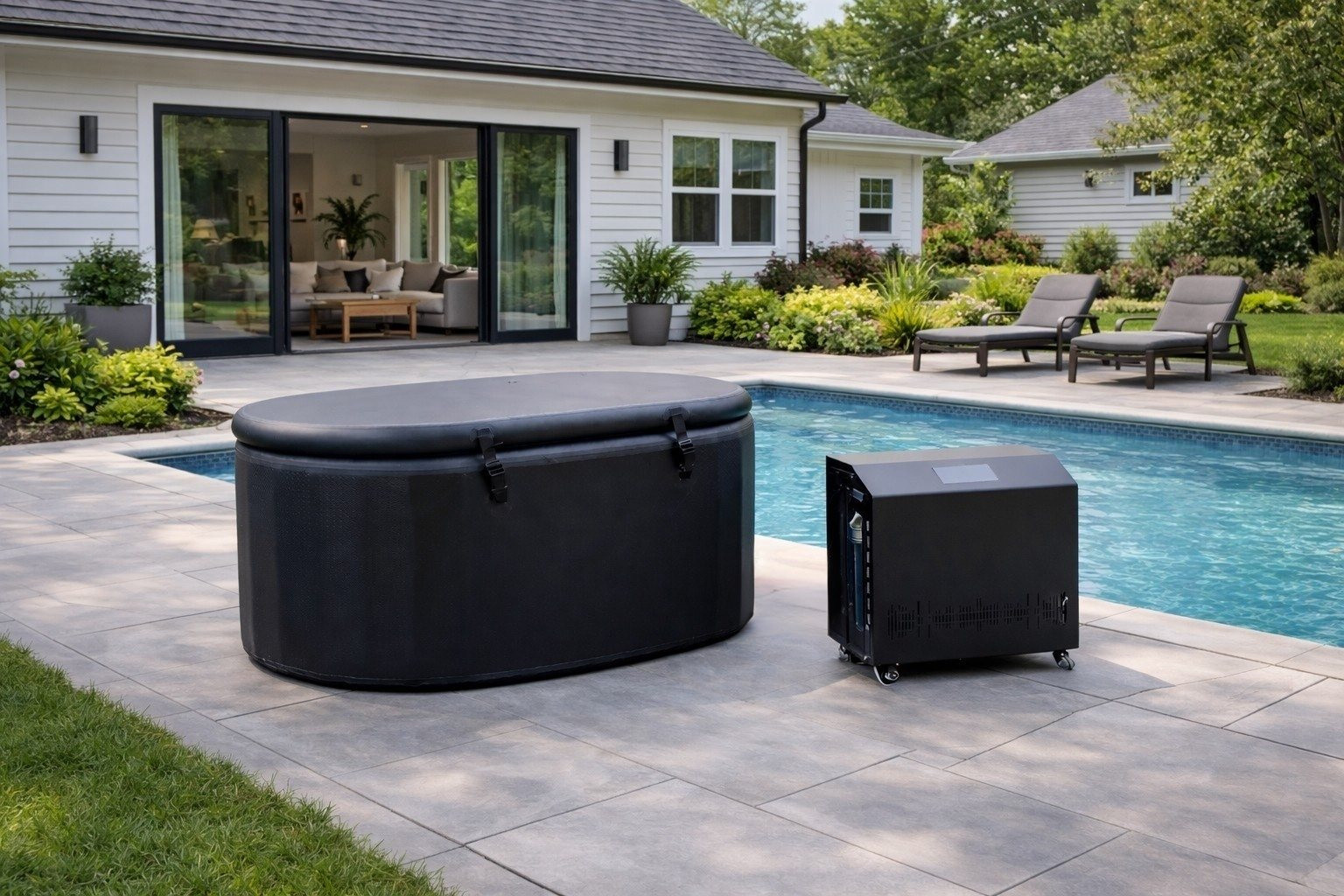
Cold plunge with chiller: $1,899-$4,990 upfront + $15-50/month electricity.
The cost gap is real. If you're exploring cold exposure for mood, energy, and general wellness, cold showers deliver 70% of the benefit at 0% of the cost. The plunge premium is justified when you're optimizing for athletic recovery, doing protocol-specific temperature work, or you've tried cold showers and want to go deeper.
The verdict: start with showers, upgrade to plunge
Cold showers are the gateway. They cost nothing, require no equipment, and provide real benefits. Start by ending your regular shower with 30-60 seconds of cold water. Build to 2-3 minutes over a few weeks.
If after a month of consistent cold showers you want more (deeper recovery, colder temps, the full immersion experience), that's when a cold plunge makes sense. The Cold Pod at $99 is essentially a cold shower upgrade. A chiller-equipped Plunge at $4,990 is the endgame.
Don't skip the shower phase. It builds your cold tolerance, proves you'll stick with the habit, and costs nothing to try.