The simple formula
For every 10°F you want to drop the temperature of 100 gallons of water, you need roughly 20-25 lbs of ice. That's the baseline. So if your tap water comes out at 65°F and you want to plunge at 45°F (a 20-degree drop), you need 40-50 lbs of ice for a 100-gallon tub.
These numbers assume regular store-bought ice bags (typically 10 lbs each). Larger ice blocks melt slower and are slightly more efficient, so you might need 10-15% less with block ice compared to cubed ice.
By tub type
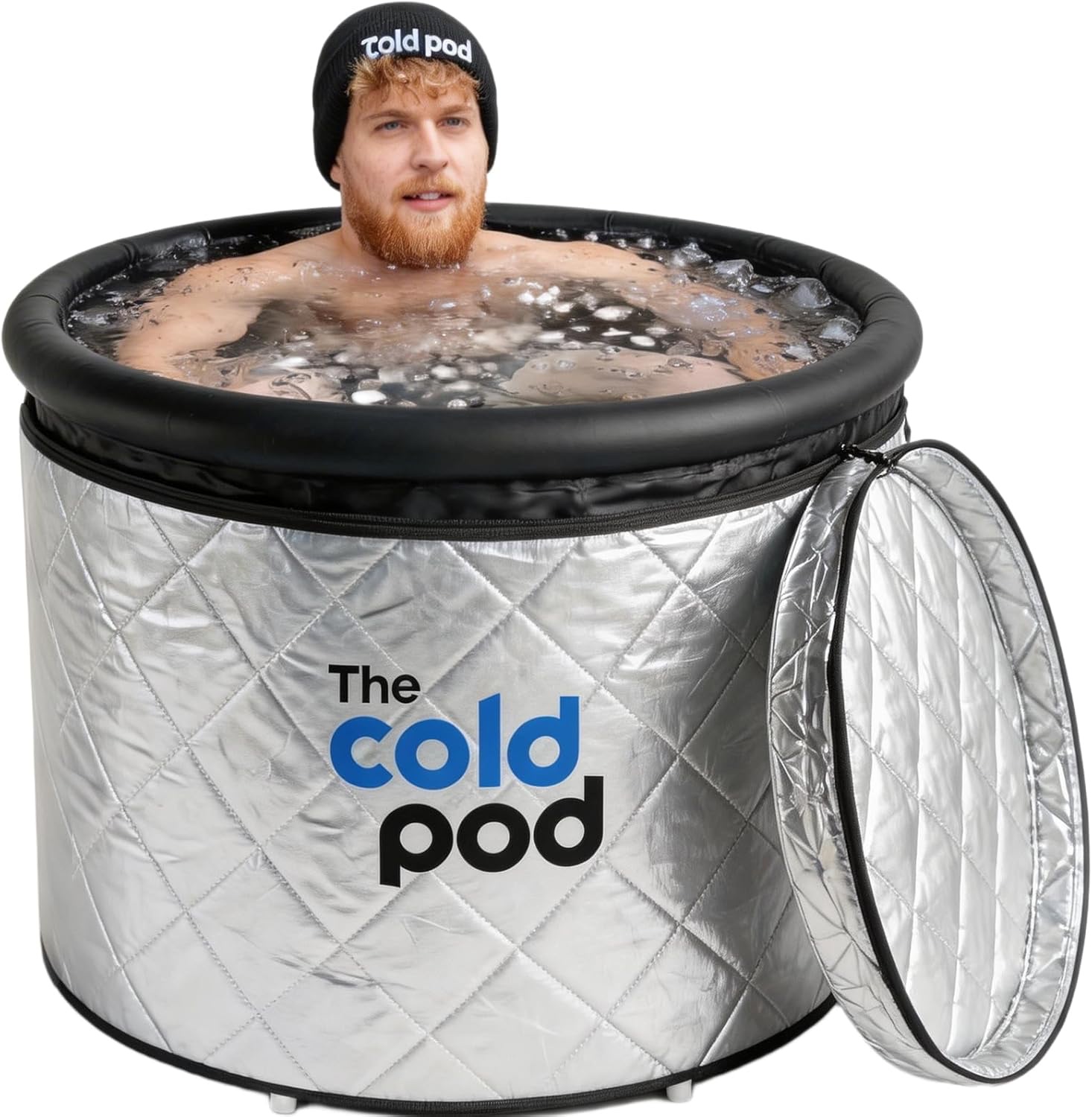
The Cold Pod holds about 85 gallons. Figure 35-50 lbs of ice depending on season. At $3-5 per 20-lb bag, that's roughly $6-12 per fill.
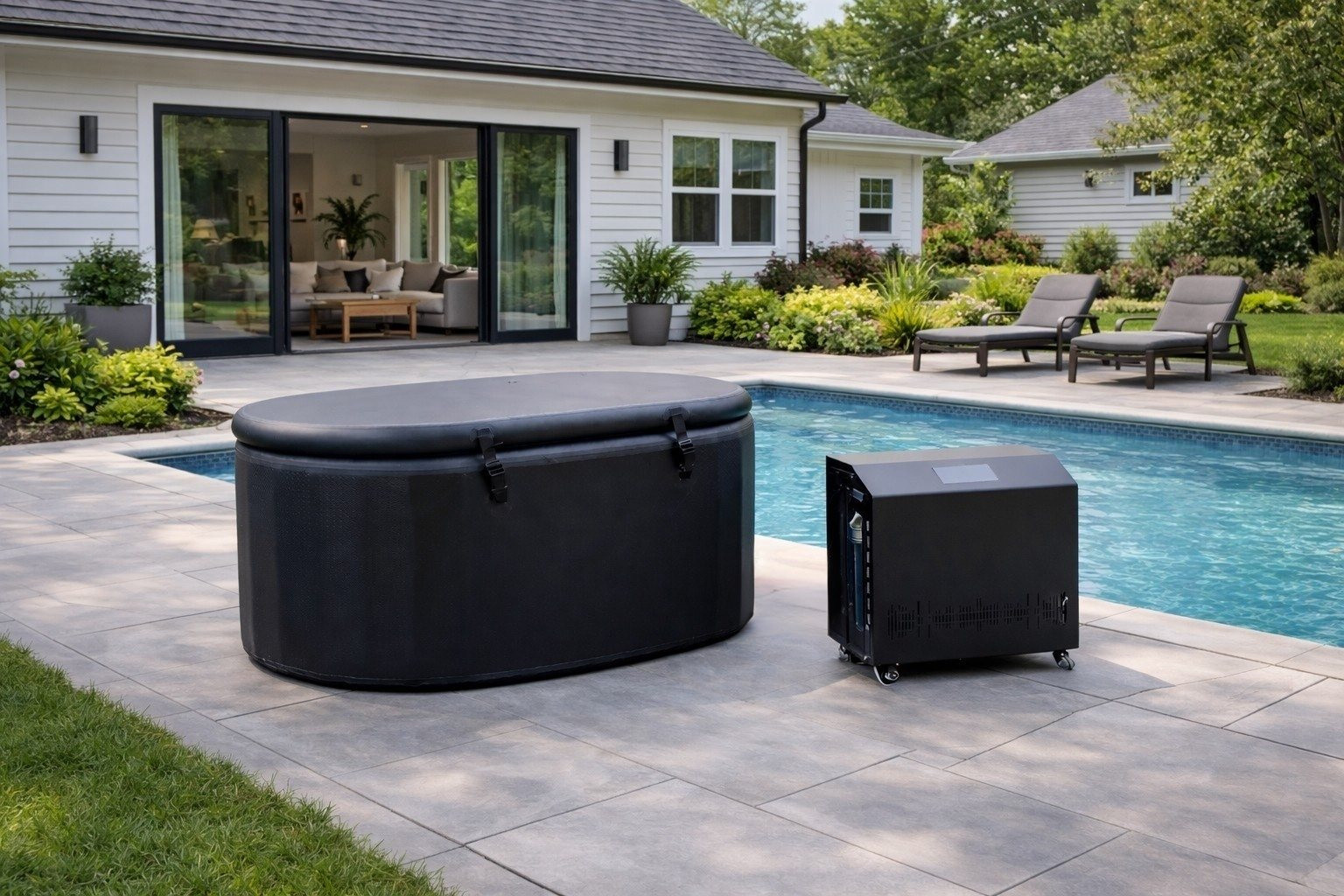
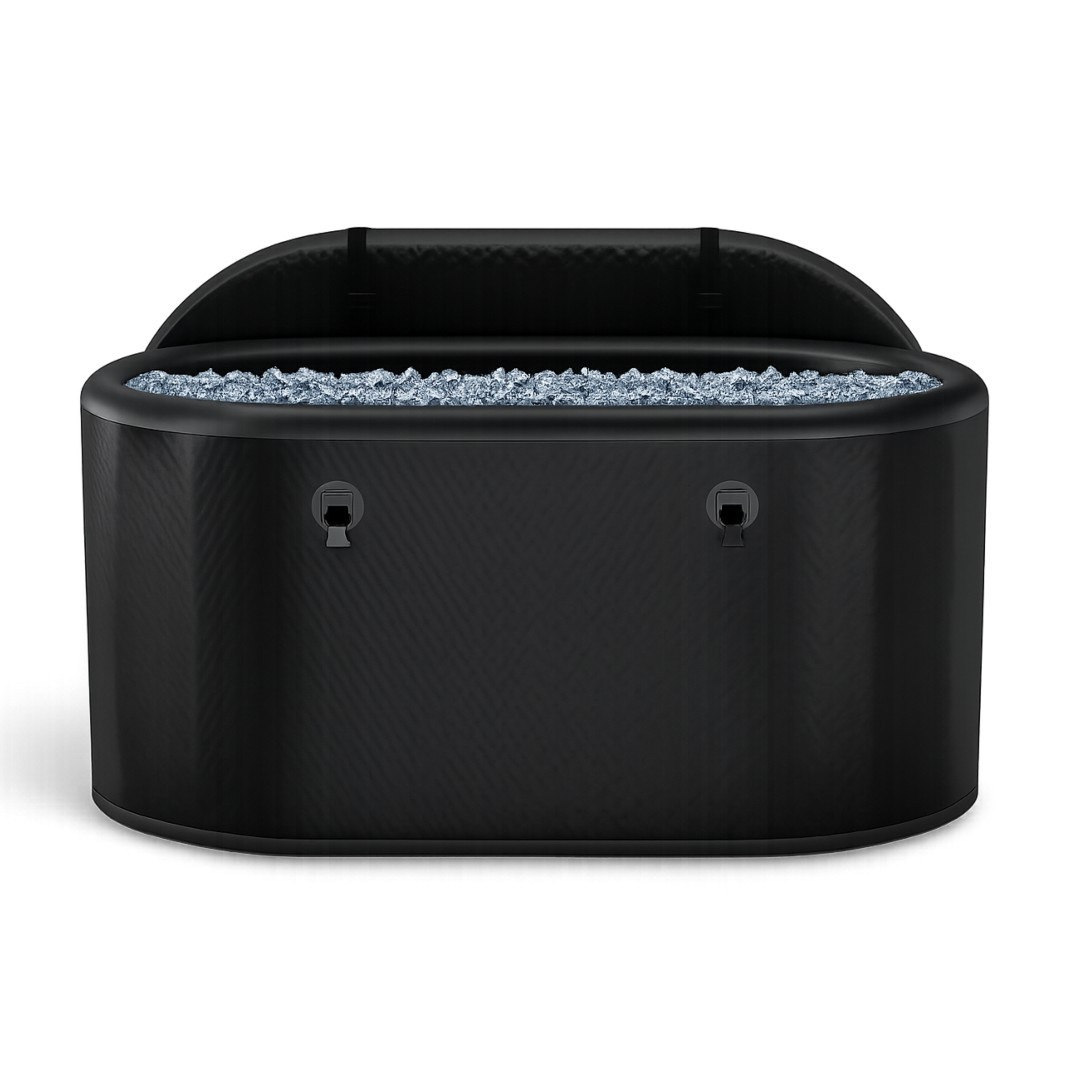
The Canuck Portable holds 420L (111 gallons) in a 59" × 31" × 26" body. Insulated walls and a fitted cover matter more than raw volume here, because most of your ice budget goes to fighting warm air, not warm water. 30-40 lbs typically gets you into the 40-45°F range.
Larger horizontal tubs like the Canuck Acrylic at 500L (132 gallons) need 50-75 lbs of ice without a chiller running. This is one reason chiller-equipped tubs make sense at larger sizes, and the ice math gets expensive fast.
Season and climate matter enormously
In winter in a northern state, your tap water might come out at 45-50°F. You may not need any ice at all. That's free cold plunging.
In Phoenix in July, tap water can hit 85-90°F. You're looking at 70-100 lbs of ice to reach 45°F, plus the ice melts faster in the ambient heat. This is where a chiller goes from luxury to necessity, and the ice cost in hot climates can hit $25-40 per session.
Shoulder seasons (spring/fall) are the sweet spot for ice-based plunging. Tap water around 55-65°F means manageable ice quantities and reasonable costs.
How to dramatically cut ice costs
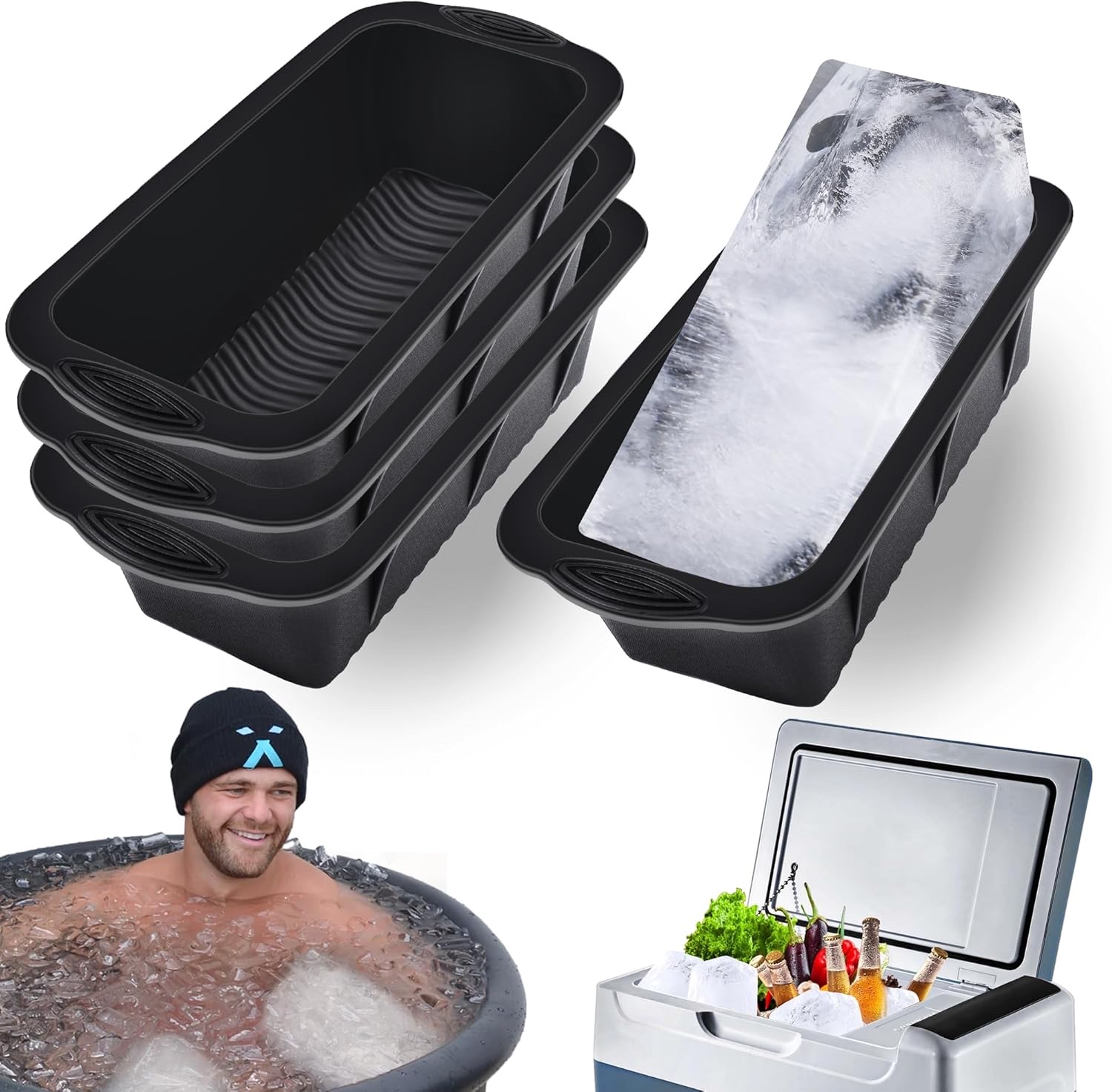
Reusable ice molds are the biggest money saver. A 4-pack of large ice block molds costs about $30 and produces roughly 38 lbs of ice per freeze cycle. If you have a chest freezer, you can produce all the ice you need for free (just electricity).
Other tricks: keep your tub covered when not in use to retain cold, plunge in the morning when water is coldest, drain and refill with cold tap water between sessions rather than trying to re-cool warm water, and add a reflective tub cover or emergency blanket over the lid to reflect heat.
Some users report adding salt to lower the freezing point, but this corrodes metal components and is hard on your skin. We don't recommend it.
When to give up on ice and buy a chiller
If you're spending more than $40/month on ice, a chiller pays for itself within 2-3 years. If you live in a hot climate and plunge year-round, the breakeven is even faster. The Canuck portable chiller bundle at $2,900 is the cheapest way into a chilled setup. At $40/month in ice savings that is a six-year payback on the hardware alone, so buy it for the convenience, not as a saving. Most people who quit cold plunging quit over the ice run, not the cold.
The real cost of ice isn't just money. It's friction. Driving to get ice, hauling bags, waiting for it to melt enough to reach target temp. That friction is why 60% of people who buy non-chiller cold plunges use them less than once a week after the first month. A chiller removes that friction entirely.