Vetted from the spec sheet up: wavelengths, sourced irradiance, the actual LED hardware, EMF, and warranty. Ordered by price. We sell none of them and take orders from no one.
Prices verified May 2026.
This page contains affiliate links. We may earn a commission if you buy through these links, at no extra cost to you. Full disclosure
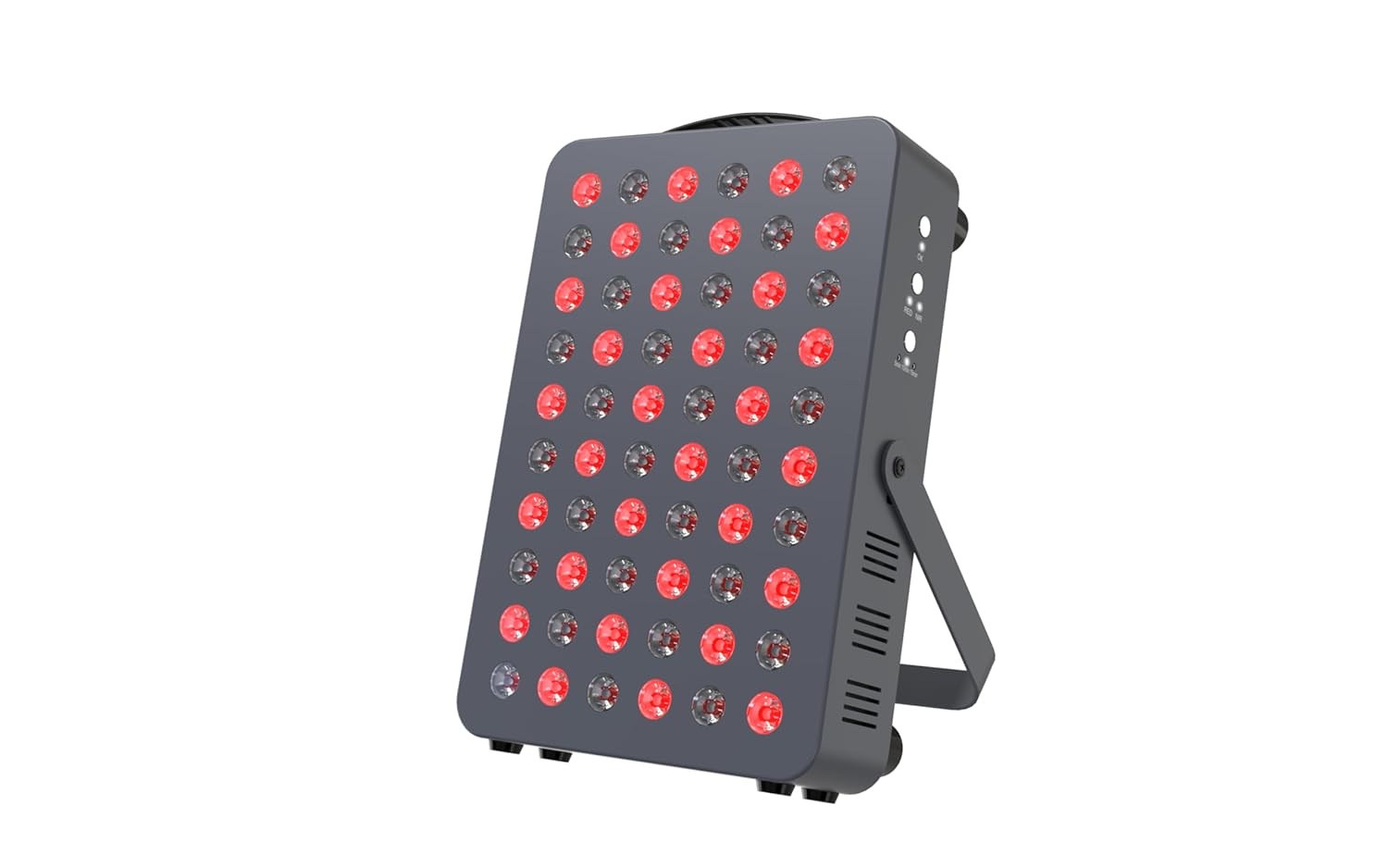
The HG300 is proof that starting does not require four figures: the two core wavelengths, honest output for a desktop panel, and the largest Amazon review base in our catalog at $170. You give up coverage area, app control, and extra wavelengths. For a first device aimed at a face, a knee, or a lower back, that trade is fine.
The Nano answers one question: can you take red light with you. Dual-chip LEDs in a pocket housing, USB-C charging, and roughly two hours per charge make it the travel and desk option, not a primary device. At $236 it is the cheapest way into the Rouge line; buy it alongside a panel, or as a low-stakes first step.
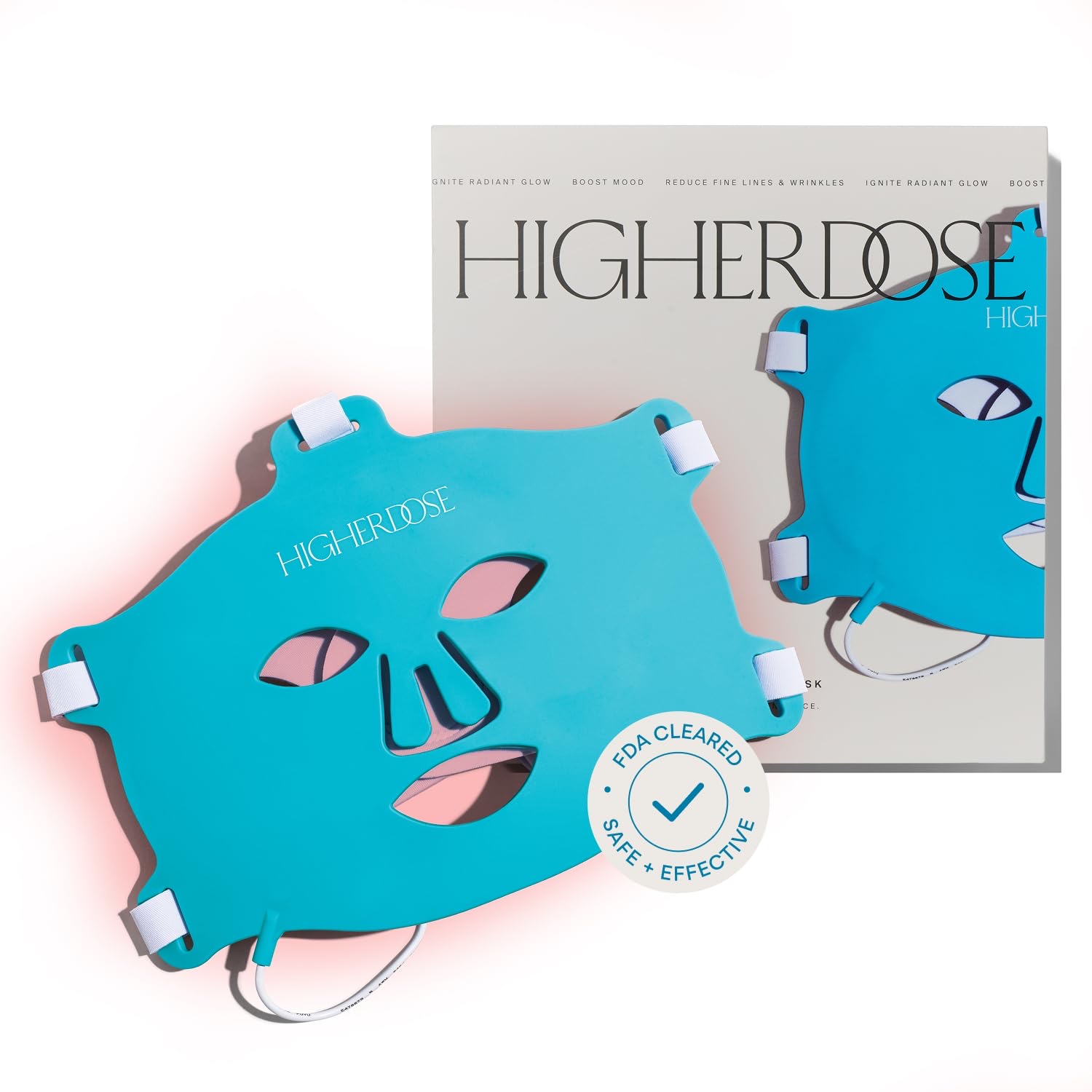
The HigherDOSE mask is the premium flexible option for facial skin work: medical-grade silicone, two skin-focused wavelengths, and a cordless design you can move around in. The build quality is where the money goes. At $349 it is a considered buy for a single use case.
The Elite mask is the skin specialist of the lineup: four wavelengths including blue and amber, with coverage that extends past the jawline to the neck and chest. Most masks stop at the face; this one does not, and that coverage is the reason to pick it over cheaper masks. Preset programs mean there is nothing to dial in.
Pros
Multi-wavelength including blue (acne) and yellow (pigmentation)
The FlexBeam is the only wearable in our red light catalog: it straps around a knee, shoulder, or back and puts its output exactly where you point it, with the strongest per-area output figures in the lineup. It is built for joint and muscle recovery and nothing else; pair it with a panel if you also want skin or full-body coverage.
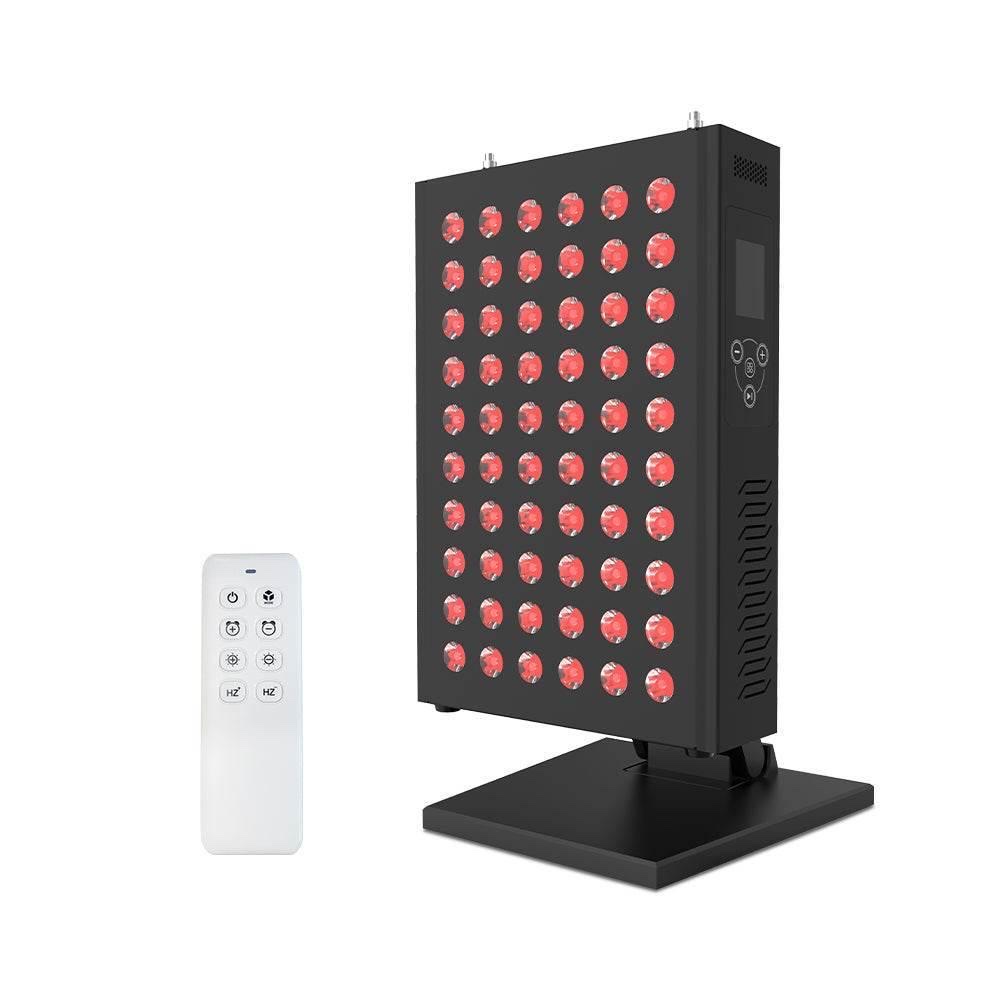
The Sun Home 300W is the pick if you want a clinical-grade targeted panel without committing to a full-body rig. It is FDA-cleared, runs red plus near-infrared, and carries the highest sourced owner rating in our red light catalog. At $579 it is priced like a mid-tier panel and vets like a premium one; the trade-off is coverage, this is a face-and-joints device, not a full-body setup.
Pros
FDA clearance adds credibility
Good entry price for medical-grade panel
Part of Sun Home recovery ecosystem
Desktop size is convenient for daily use
Solid build quality matching their sauna line
Cons
Targeted coverage only, not full body
Fewer wavelengths than MitoPRO X
No app control
Less established in RLT space than Mito Red or PlatinumLED
The Max is the straightforward half-body option: dual wavelength, low EMF, solid output, no app to manage. It comes from a brand built on light hygiene and it does one job cleanly at $999. The warranty is shorter than the premium panels offer, which is the main thing we would want improved.
The MitoPRO X is the spec-sheet leader of the half-body class: it runs six wavelengths where most panels run two, with strong measured irradiance and a large verified owner base. At $1,099 it undercuts several panels with weaker hardware. The case here is the spec sheet, and the spec sheet is real.
The BioMax 900 is the panel the rest of the half-body class gets measured against: five wavelengths, high sourced irradiance, a long warranty, and one of the largest verified owner bases we track. At $1,149 it sits between the budget panels and the flagship rigs and earns the spot on hardware alone.
Pros
FDA registered with real medical device classification
Proven track record with years of positive reviews
The Pro G4 is the value pick of the Rouge line: eight wavelengths and app control at $1,196, a combination the budget class does not offer. It is a half-body panel that can expand later because the G4 panels are modular. If you want one device that covers most use cases without flagship spend, this is it.
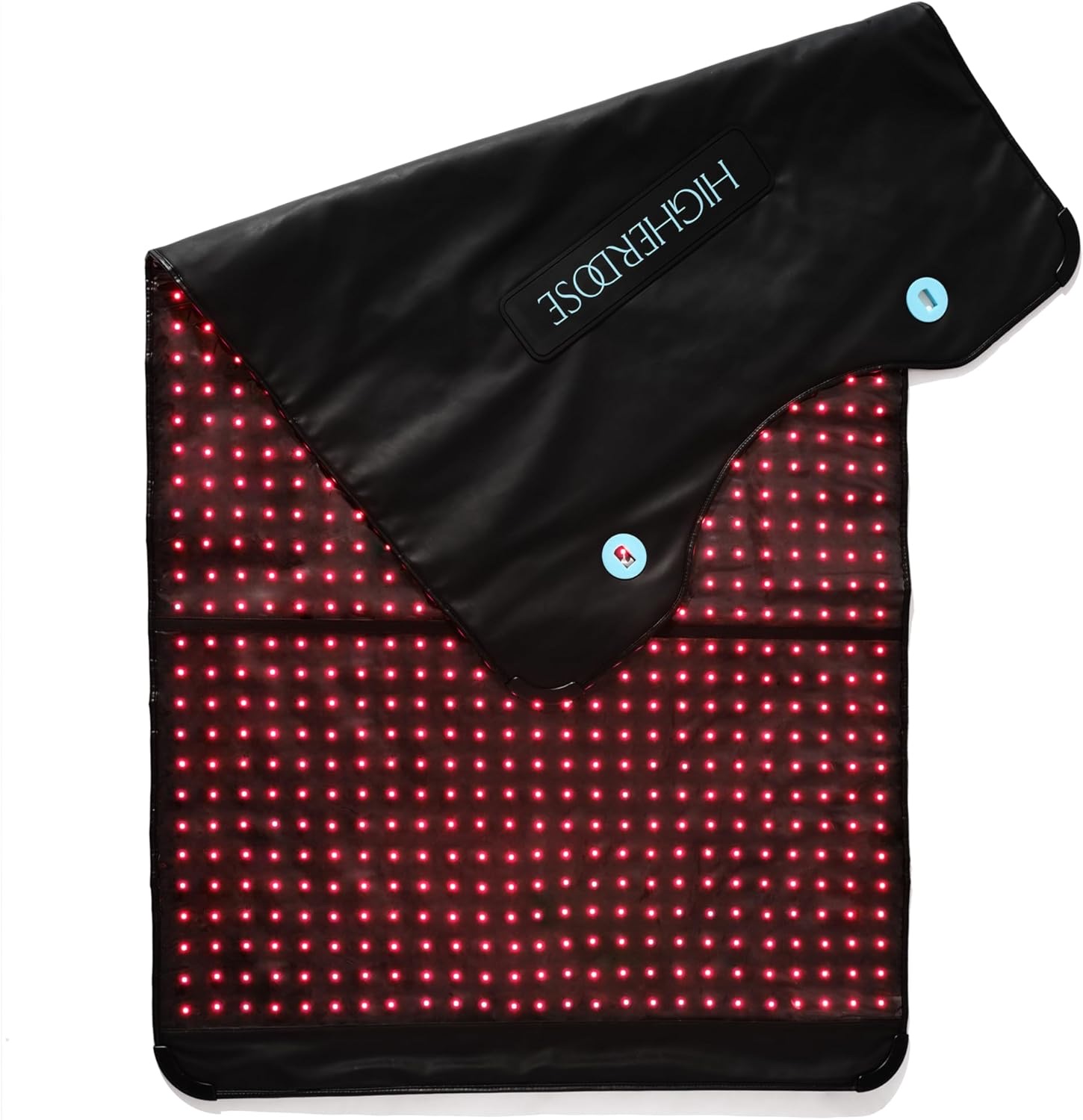
The HigherDOSE mat solves the posture problem with panels: you lie on it instead of standing in front of it. Output per area is lower than a standing panel, which is the honest trade for full-body contact and zero setup. At $1,199 it suits recovery sessions more than skin protocols.
12. Sun Home 1800W Medical-Grade Full Body Red Light Panel
$1,499
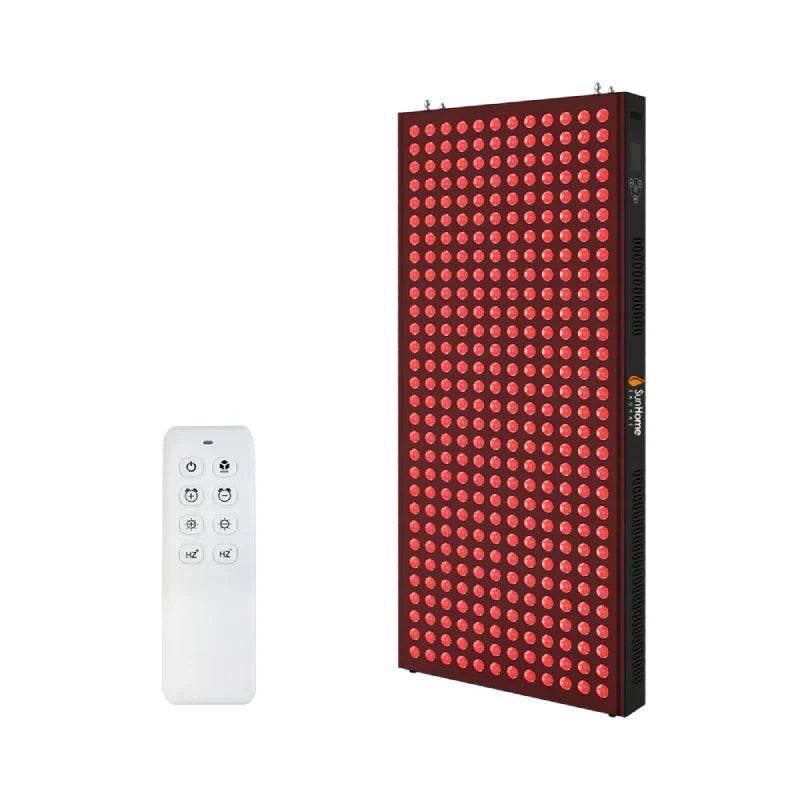
If you want full-body treatment from a standing panel, this is the one we point to: the strongest sourced irradiance in our catalog, FDA clearance, and a verified owner rating behind it. It is a serious purchase at $1,499, and it is physically large; plan for dedicated wall space.
The Max G4 is the middle path to full-body Rouge coverage: a larger array than the Pro with the same eight wavelengths and app control, at $2,396. Pick it over the Pro if you want full-body sessions from one unit, and over the Ultimate if flagship spend is not justified by your use.
The Ultimate G4 is the terminal setup: the largest LED array we vet, eight wavelengths, app control, and full-body coverage from a single unit. At $4,476 it is priced like gym equipment, and that is the right comparison; this is a permanent home installation, not a gadget. Buy it when red light is already a daily habit, not to start one.
Sun Home 1800W Medical-Grade Full Body Red Light Panel
$9.61
$1,499
2 years
Rouge Max G4
$15.36
$2,396
3 years
Rouge Ultimate G4
$28.69
$4,476
3 years
Assumptions: electricity at $0.17 per kWh (US average), cost per session over 3 years at about 1 session per week (price divided by 156), sauna running cost at a 30-minute session. These are estimates for comparison, not quotes. Marked prices are pending USD confirmation, so their cost figures are provisional.
How we order these
Display order is neutral and identical on every vetted surface: price low to high, then how recently the record was verified. It is not a quality ranking. We do not assert that one device is better than another; you define best-for-you with the quiz, the filters, and the best-for criteria pages. Third-party owner ratings are shown as sourced facts, never used to order the list. Channel and commission never touch order. Badges are editorial calls layered on top, and every badge states its basis.
What actually matters when buying a red light device?
Four things decide most purchases: wavelengths (red around 660nm for skin, near-infrared around 850nm for deeper tissue), sourced irradiance (output that was measured, not claimed), coverage area matched to how you plan to use it, and EMF at session distance. Headline LED counts matter less than how the hardware is driven.
Are budget panels worth buying?
Often, yes. A budget panel that runs the two core wavelengths with honest output covers targeted use (face, joints, lower back) well. What you give up is coverage area, extra wavelengths, app control, and usually warranty length. If you are still finding out whether red light fits your routine, starting small is the rational path.
Panel, mask, mat, or wearable: which type fits?
Panels are the default: the strongest output and the most flexible use. Masks specialize in facial skin work and trade output for fit. Mats trade output per area for full-body contact and zero setup, which suits recovery sessions. Wearables strap to a single joint or muscle and do only that job.
Is red light therapy safe to use at home?
The devices we vet are low-EMF consumer hardware, and several carry FDA clearance for specific indications (the records note which). Follow the session times in the manual, protect your eyes around bright panels, and talk to a clinician about medical conditions. Nothing here is medical advice.