Best Sauna for Your Home Gym in 2026
A home gym without recovery equipment is only half a gym. Sauna therapy after training reduces muscle soreness, improves flexibility, and accelerates adaptation. The question isn't whether to add a sauna — it's which type fits your space and training style.
Quick Answer
What's the best sauna for a home gym?
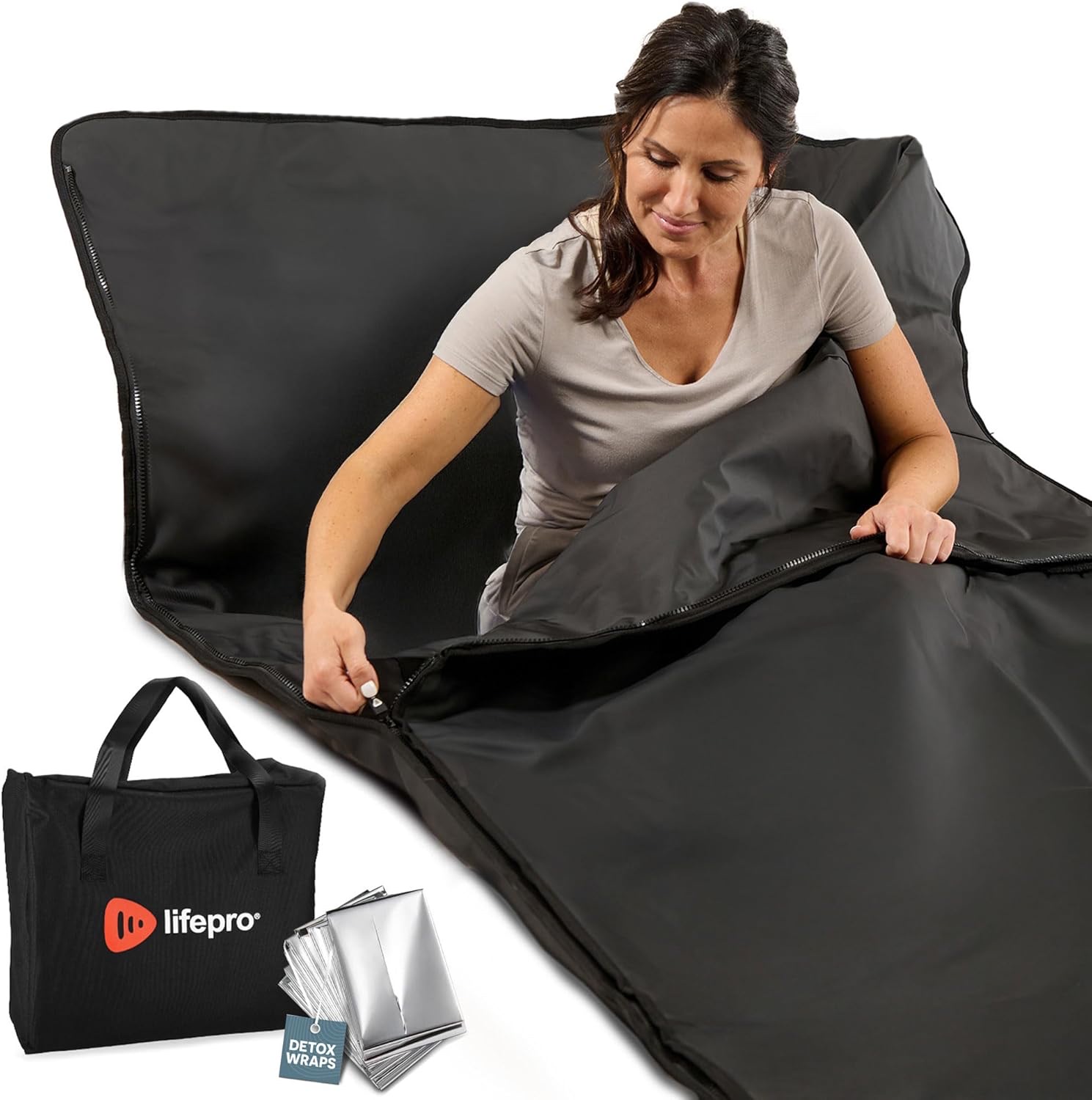
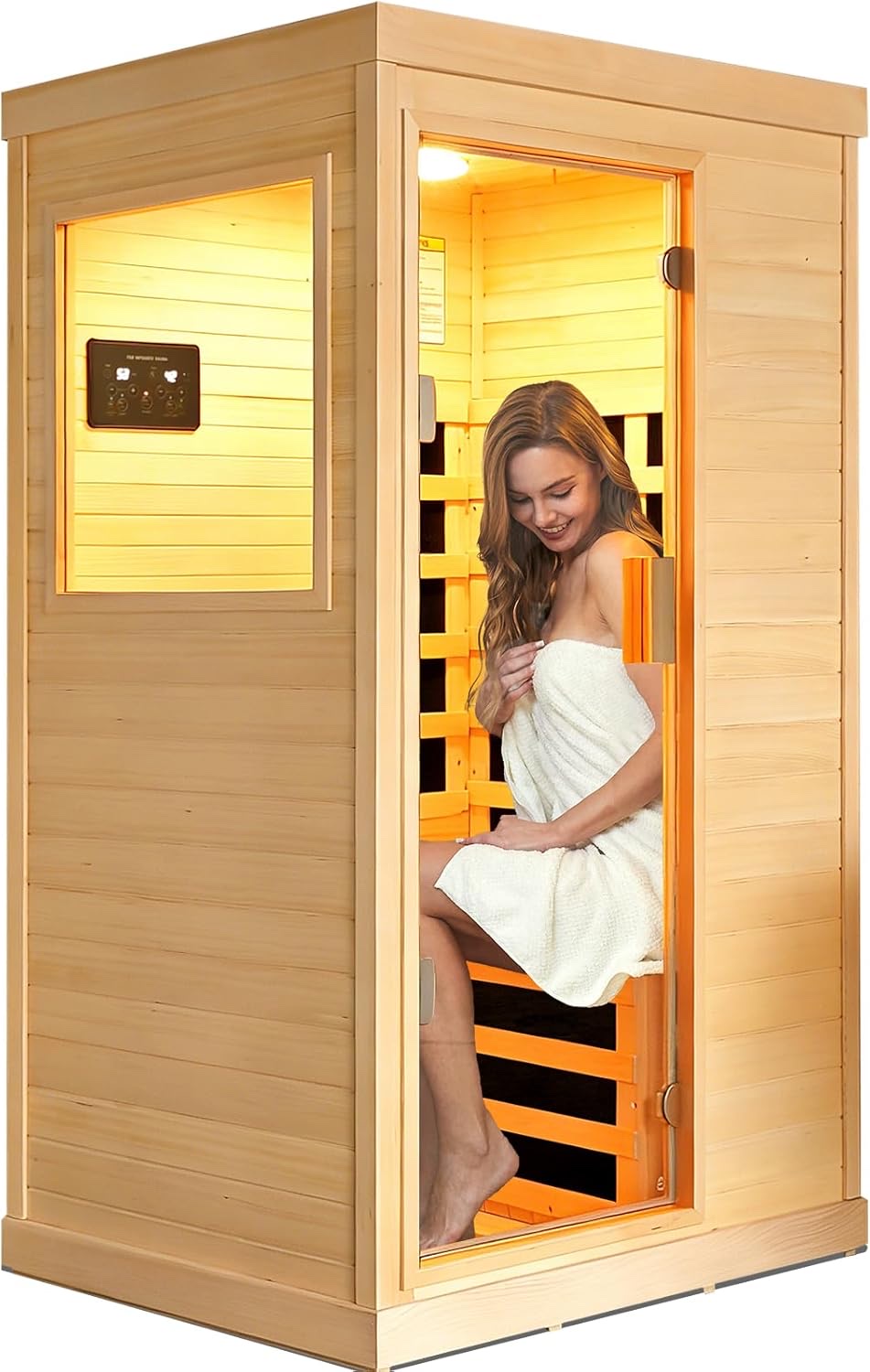
The OUTEXER 1-Person Infrared Cabin ($1,000) is the best dedicated gym sauna — real hemlock wood, Bluetooth speakers, and it plugs into any outlet. If you don't have the floor space, the HigherDOSE Sauna Blanket ($699) unrolls in a corner post-workout and folds away when you're done.
- Best dedicated: OUTEXER Infrared Cabin — $1,000, permanent, 120V
- Best flexible: HigherDOSE Blanket — $699, folds away, zero footprint
- Best budget: LifePro RejuvaWrap — $400, highest heat, lifetime warranty
Cabin saunas: the dedicated option
If your garage gym or basement has a free corner, the OUTEXER 1-Person Infrared Cabin ($1,000) is the best gym companion. At 35" × 28", it fits in a 3-foot corner. Plug it into any standard outlet. After your workout, step in, hit play on the Bluetooth speakers, and get 20-30 minutes of infrared recovery.
The hemlock wood construction looks and smells great in a gym environment. The chromotherapy lighting is a nice recovery ambiance touch. The downside: 161 lbs means it stays where you put it, and assembly requires two people.
Sauna blankets: the flexible option
No floor space to spare? The HigherDOSE Sauna Blanket ($699) or LifePro RejuvaWrap ($400) unroll on a gym mat post-workout. 30-45 minutes of infrared recovery, then fold and store on a shelf. Zero permanent footprint.
For a home gym, the blanket workflow is actually ideal: finish lifting, unroll blanket, lie down for recovery, fold up, shower. The LifePro's higher max temp (176°F) is particularly good for post-training sessions when you want intense heat on sore muscles.

The post-workout protocol
Finish training. Wait 10-15 minutes for your heart rate to normalize. Enter sauna. Session length: 15-30 minutes for infrared, 15-20 minutes for traditional. Hydrate with electrolytes — you're already depleted from training, and the sauna will push more fluid out.
One important note: if your primary goal is muscle hypertrophy (building muscle), some research suggests intense heat immediately post-workout may blunt the muscle protein synthesis response. If this concerns you, wait 2-3 hours after strength training before sauna. For recovery, conditioning, and general fitness, immediate post-workout sauna is fine and likely beneficial.
Products Mentioned
- Canadian hemlock wood construction
- 5 low-EMF infrared heating panels
- Bluetooth speaker system
$1,000
- Far infrared heat technology
- Charcoal, clay, crystal & magnetic layers
- Low EMF design
- Far infrared heat technology
- 9 heat levels (77-176°F)
- 5-60 minute timer
Frequently Asked Questions
It's safe to, but 3-5 post-workout sauna sessions per week is the practical sweet spot. On days you don't sauna post-workout, it still provides recovery benefits as a standalone session later in the day.
After. Pre-workout sauna can fatigue your muscles and cardiovascular system, reducing training performance. Post-workout sauna enhances recovery by increasing blood flow to working muscles.
Infrared saunas and blankets don't produce steam or significant ambient heat — your equipment is fine. Traditional saunas do produce steam and heat the surrounding air, which could accelerate rust on metal equipment if not ventilated. Keep a traditional sauna well-ventilated or in a separate area.
Not sure which sauna is right for you?
Answer a few questions and we'll match you with the best option.