Why contrast therapy works
When you're in a sauna, blood vessels dilate (vasodilation), and blood flow increases to the skin and extremities. When you plunge into cold water, blood vessels constrict (vasoconstriction), and blood rushes back to the core and vital organs.
This pumping action (expand, contract, expand, contract) flushes metabolic waste products from muscle tissue, delivers fresh oxygenated blood, and reduces inflammation more effectively than either heat or cold alone. Think of it as a circulatory system workout.
Research published in the Journal of Strength and Conditioning found that contrast water therapy reduced perceived muscle soreness by 40% more than passive recovery after intense exercise.
The protocol
Step 1, Heat (15-20 minutes): Start in your sauna. If using a blanket, set to max temperature. If using a traditional or infrared cabin, aim for 150-190°F. The goal is to raise your core temperature and get a thorough sweat going.
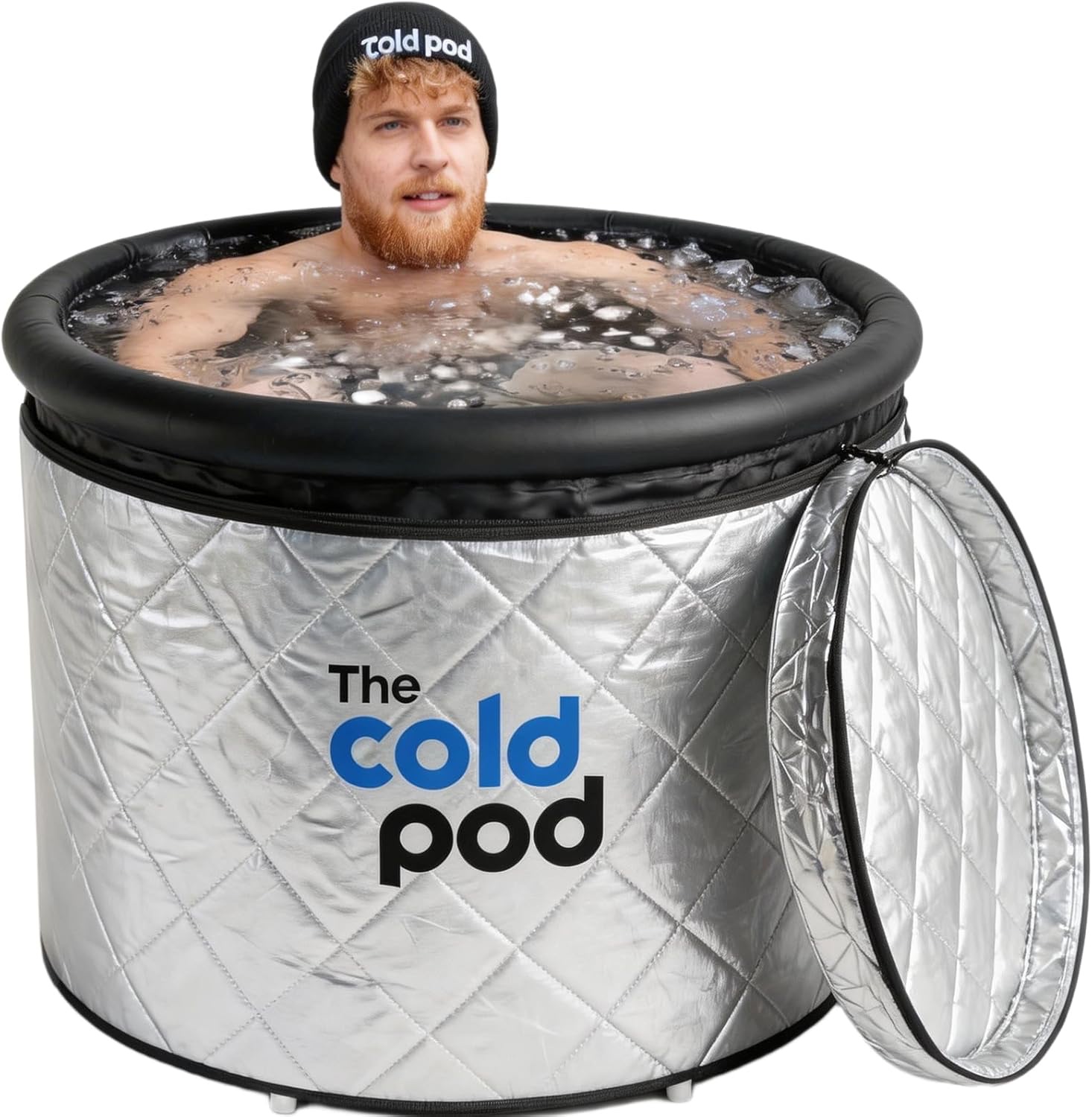
Step 2, Cold (2-3 minutes): Move to your cold plunge. Water should be 40-55°F. Focus on controlled breathing, because slow exhales calm the shock response. Don't push past 3 minutes in the first few sessions.
Step 3, Repeat: Return to the sauna. Repeat the hot-cold cycle 2-3 times total. Each sauna phase can be slightly shorter (10-15 minutes) after the first round since your body is already warm.
Step 4, Finish: End on cold for alertness and energy. End on heat for relaxation and sleep preparation.
Build a home contrast setup under $500
You don't need $10,000 in equipment. Here's a practical home setup:
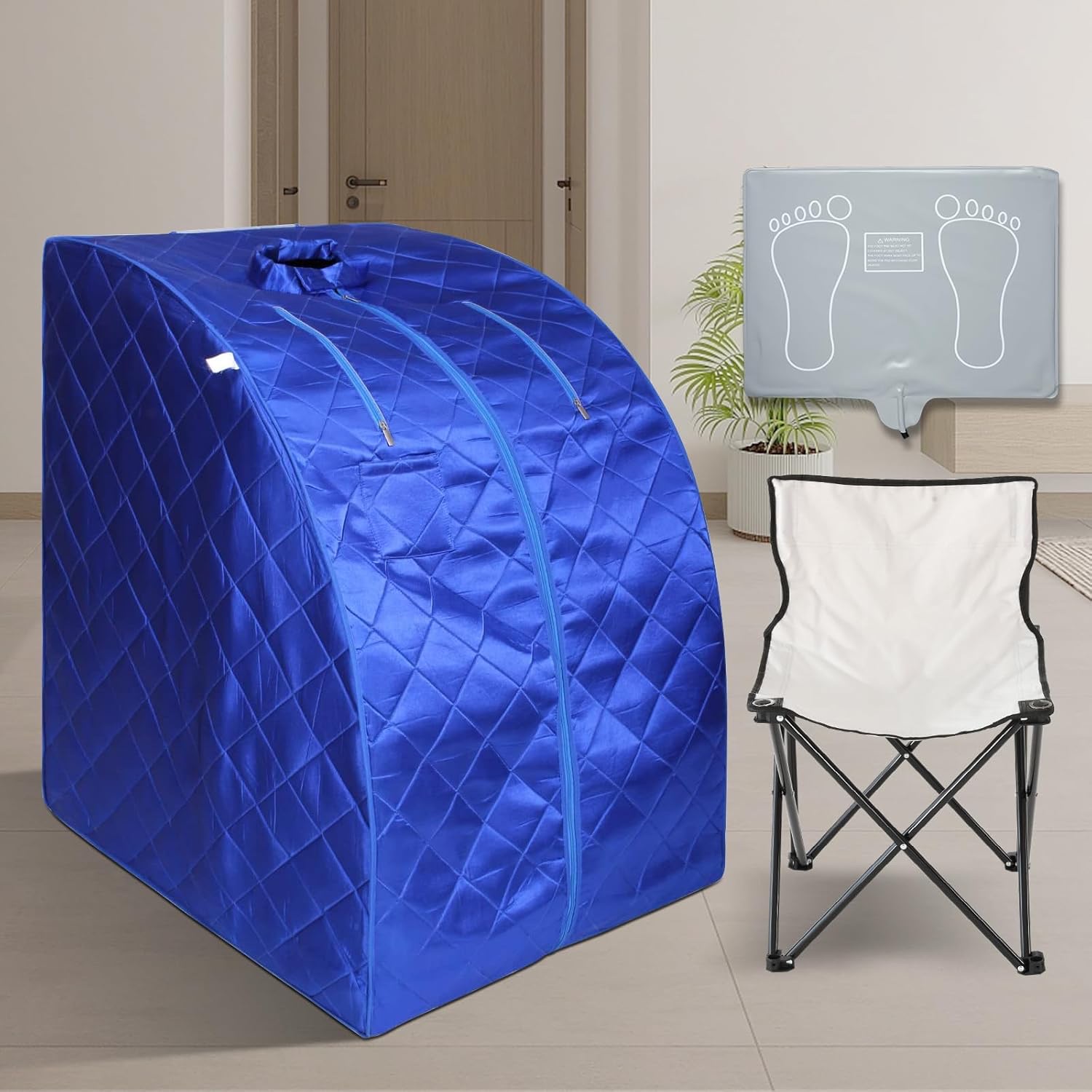
Budget tier ($270): Smartmak Portable Sauna ($170) + Cold Pod ($99). Gets the job done. Add ice to the Cold Pod, heat up the tent sauna, and alternate.
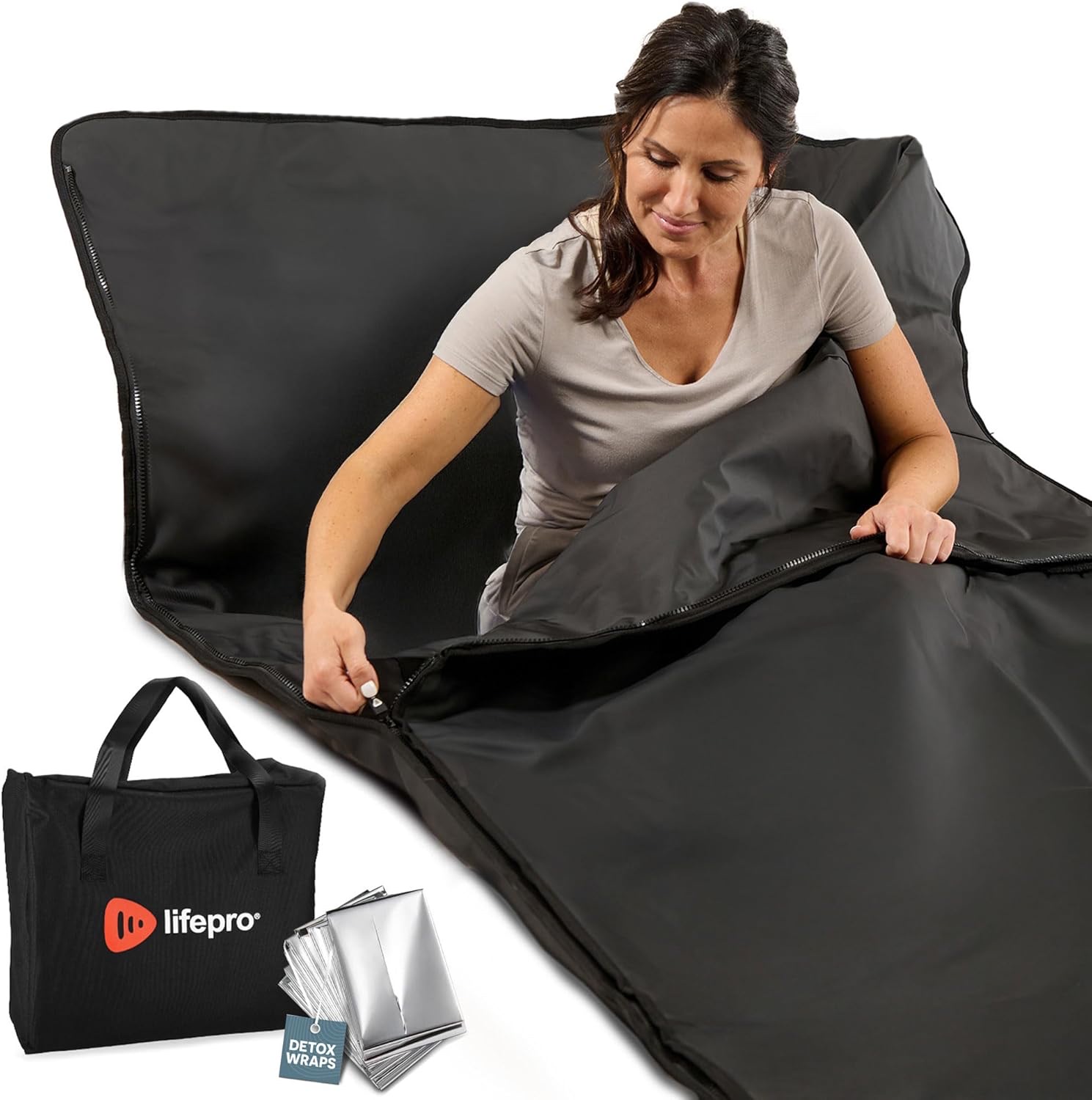
Mid tier ($600): LifePro RejuvaWrap ($400) + Cold Pod ($99) + Ice Block Molds ($30). Better heat from the blanket, reusable ice blocks instead of buying bags.
Premium tier ($2,500+): Almost Heaven Barrel Sauna at $4,770 plus a Canuck Portable at $650. The real deal: traditional sauna heat and a dedicated cold plunge. This is what athletes use.
Timing and frequency
For recovery: do contrast therapy within 2-4 hours after training, 2-3 times per week. For general wellness: any time that fits your schedule, 3-4 times per week.
Morning contrast sessions ending on cold provide a strong energy and focus boost. Evening sessions ending on heat promote deep sleep. Avoid intense contrast therapy right before bed if you end on cold, because the adrenaline response can delay sleep onset.
Total session time for a full contrast protocol is 45-75 minutes including transitions. If you're short on time, even one cycle (15 min heat + 3 min cold) delivers meaningful benefit.