The thermoregulation mechanism
Your body temperature naturally drops 1-2°F as you approach sleep. This decline is a signal to your brain to produce melatonin and prepare for rest. It's why cool bedrooms (65-68°F) are universally recommended for sleep.
Paradoxically, deliberately raising your core temperature 1-2 hours before bed accelerates this natural cooling process. After a sauna session, your body actively works to cool down by dilating blood vessels, increasing peripheral blood flow, and releasing heat through your skin. This enhanced cooling is more dramatic than your normal evening temperature decline, creating a stronger sleep signal.
A 2019 meta-analysis published in Sleep Medicine Reviews found that passive body heating 1-2 hours before bed significantly improved sleep onset latency (time to fall asleep) and overall sleep quality.
Cortisol and the stress-sleep connection
Cortisol should naturally decline throughout the evening, reaching its lowest point during deep sleep. But chronic stress keeps cortisol elevated at night, and you feel "tired but wired," unable to fall asleep despite exhaustion.
Regular infrared sauna use has been shown to lower cortisol levels. The heat activates your parasympathetic nervous system (the "rest and digest" response) and promotes the release of endorphins. Over time, regular users report lower evening anxiety and easier sleep onset.
This is particularly relevant for people whose sleep problems are stress-related rather than caused by physical discomfort or sleep disorders.
The ideal pre-sleep sauna protocol
Timing: Finish your session 60-90 minutes before you want to fall asleep. This gives your body time to cool down and reach the temperature nadir that triggers drowsiness.
Temperature: Moderate heat is sufficient. You don't need to push max temperature for sleep benefits. 130-150°F in a sauna blanket or 120-140°F in a portable sauna works well.
Duration: 20-30 minutes. You want to raise core temperature without overheating to the point where you're too stimulated to wind down.
Post-session: Don't shower immediately. Let your body cool naturally for 15-20 minutes. A cool (not cold) shower can then accelerate the temperature drop. Avoid intense cold plunges right before bed, as the norepinephrine spike can be too stimulating.
Which sauna format works best for sleep
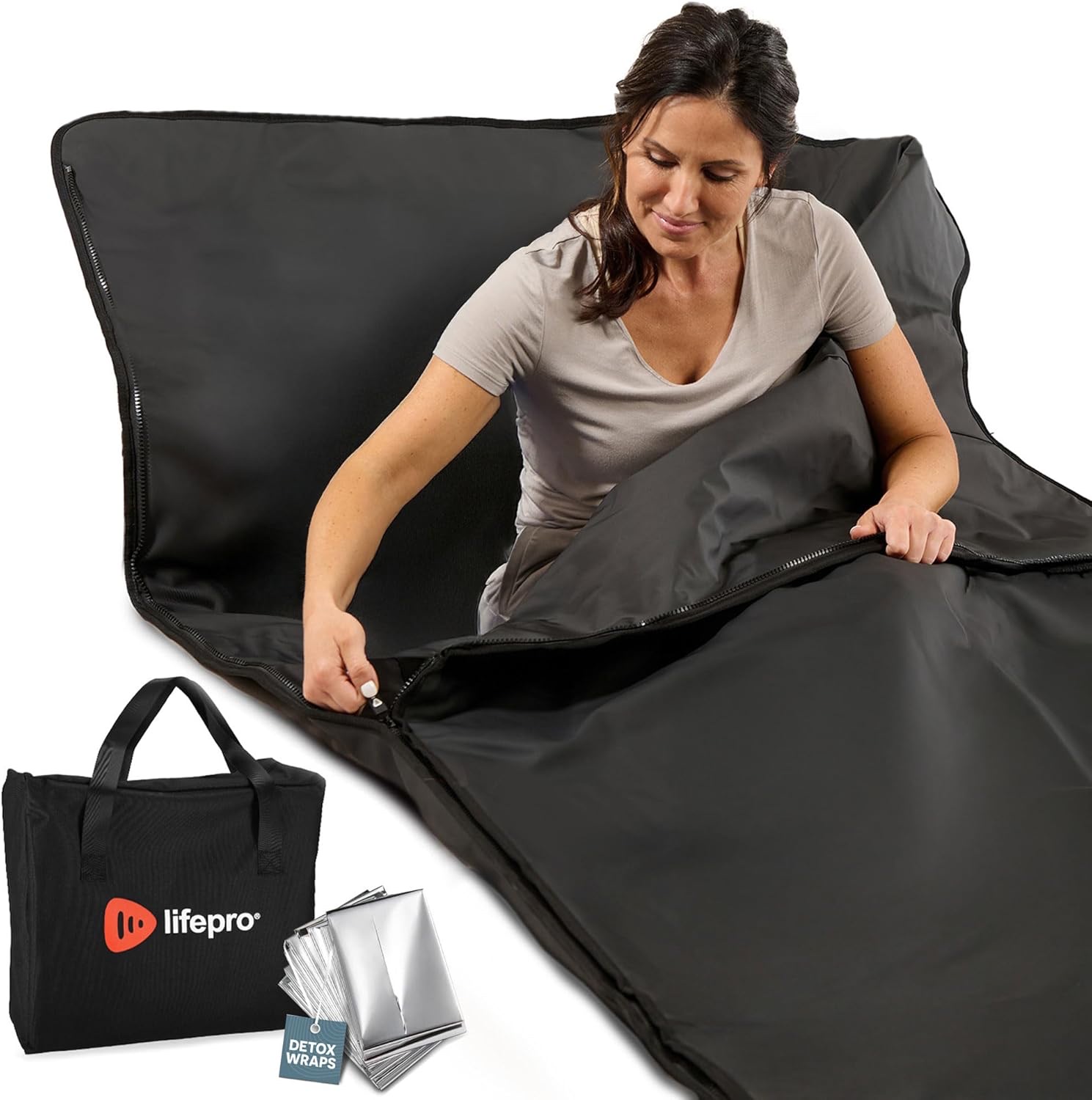
For a pre-bed routine, sauna blankets are ideal. You're already lying down, the heat is gentle and enveloping, and many people combine their blanket session with calming activities like audiobooks, meditation, or just resting with eyes closed.
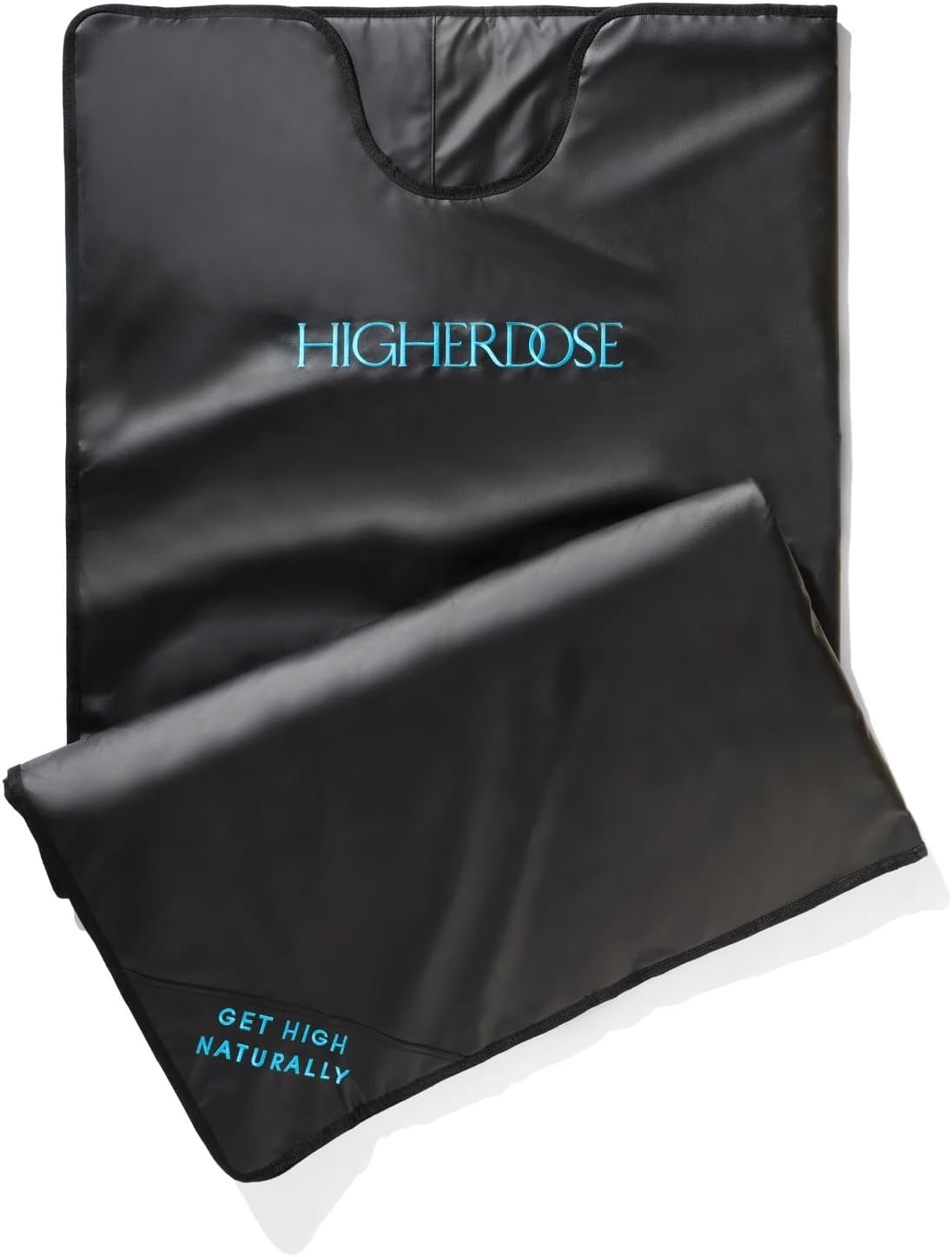
The HigherDOSE blanket is particularly well-suited for evening use because its max temperature (158°F) doesn't overwhelm. It creates a sustained, comfortable warmth that's more relaxing than intense. The LifePro RejuvaWrap works equally well at lower heat settings (levels 4-6 out of 9).
The Heat Healer, with its jade and tourmaline stones, provides the most spa-like, gentle warmth, almost purpose-built for relaxation and sleep preparation.