Cold Plunge
Contrast therapy at home: how to alternate sauna and cold plunge
Alexander Liendo · Founder & Editor
Contrast therapy alternates heat and cold to drive circulation and aid recovery. A common home protocol is a few rounds of roughly 3 to 4 minutes hot (sauna) followed by 1 to 2 minutes cold (plunge), always ending in whatever state fits your goal. Evidence for muscle recovery and perceived soreness is reasonable; claims about fat loss and detox are not supported. The hard limits are cardiovascular: extreme temperature swings stress the heart, so this is a talk-to-your-doctor-first activity if you have any heart condition.
What contrast therapy is
Contrast therapy is deliberate alternation between heat exposure (sauna or hot water) and cold exposure (cold plunge or cold water). The idea is that heat opens circulation and cold constricts it, and cycling between them acts like a pump for blood flow. Athletes have used hot-cold contrast baths for decades; the home version pairs a sauna or sauna blanket with a cold plunge or chiller-cooled tub.
A practical home protocol
A standard structure is 3 to 4 rounds of: 3 to 4 minutes in the heat, then 1 to 2 minutes in the cold, moving between them reasonably quickly. Beginners should start with fewer rounds, shorter cold exposures, and less extreme temperatures.
How you end depends on your goal. Ending on cold leaves you alert and is the common choice after training or in the morning. Ending on heat is more relaxing and better before sleep. There is no single correct order; consistency and staying within your tolerance matter more than the exact sequence.
Hydrate before and after, never do it alone if you are new to cold exposure, and get out immediately if you feel faint, get a headache, or your heart rate feels wrong.
What the evidence supports (and does not)
Reviews of contrast water therapy show reduced muscle soreness and faster perceived recovery after exercise compared with passive rest, though the effect sizes are modest and the research quality is mixed. That is the honest win: it likely helps you feel recovered and may reduce soreness.
What it does not do: there is no credible evidence that contrast therapy burns meaningful fat or detoxifies the body. If a claim sounds like a metabolism hack, treat it as marketing.
The safety limits that matter
This is not medical advice. The real risk in contrast therapy is cardiovascular, not muscular. Rapid shifts between heat and cold spike and drop blood pressure and heart rate, so if you have any heart condition, high or unstable blood pressure, or are pregnant, clear it with your doctor before starting. Alcohol plus temperature extremes is a genuinely dangerous combination. If you ever feel chest tightness, severe dizziness, or an irregular heartbeat, stop and seek care.
Sources
Contrast water therapy reduced muscle soreness and improved recovery versus passive rest after exercise
Bieuzen, Bleakley, Costello, 2013, PLOS ONE (systematic review and meta-analysis of contrast water therapy)
Regular sauna heat exposure is associated with cardiovascular and recovery benefits in cohort data
Laukkanen et al., 2018, Mayo Clinic Proceedings (sauna and health outcomes review)
Equipment that fits
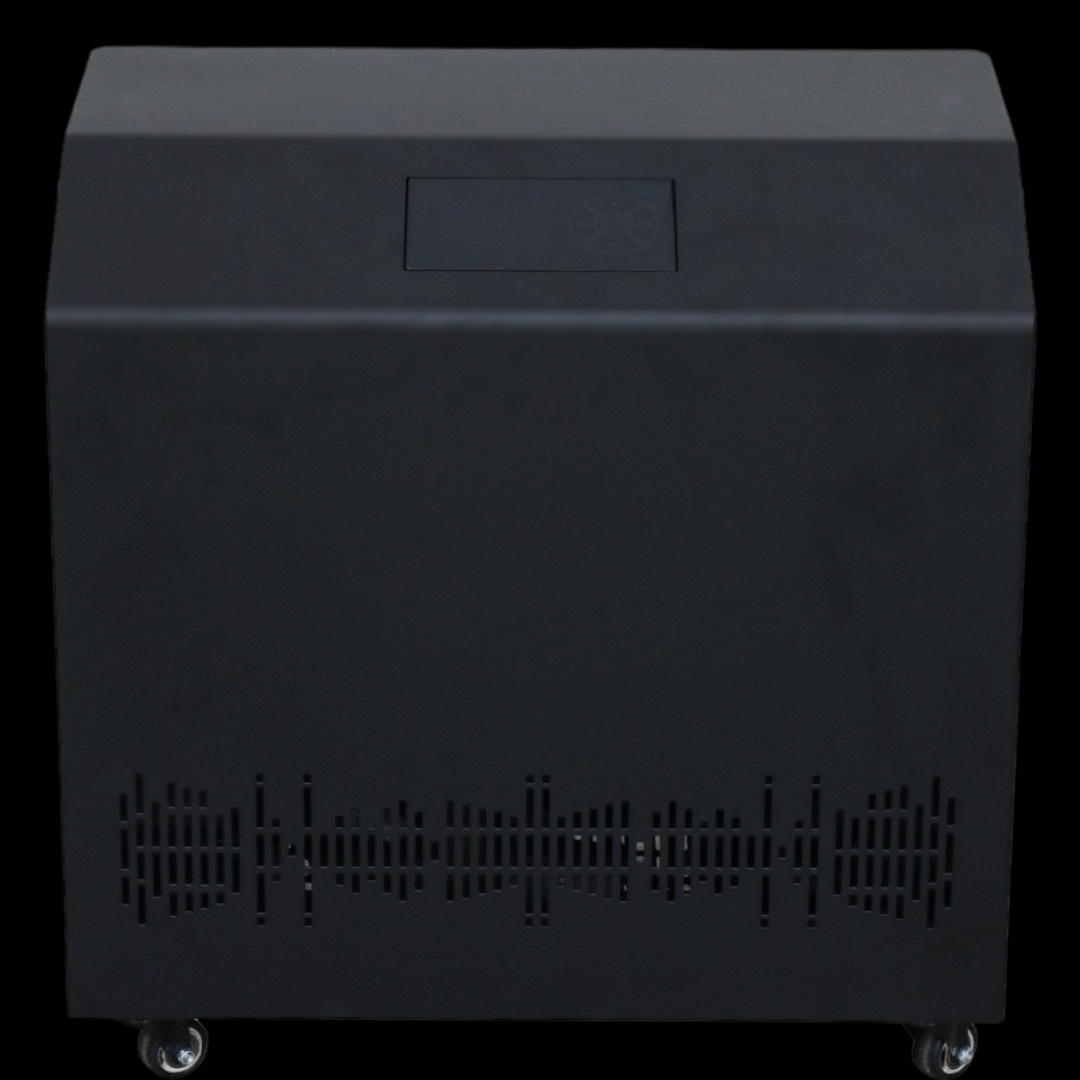
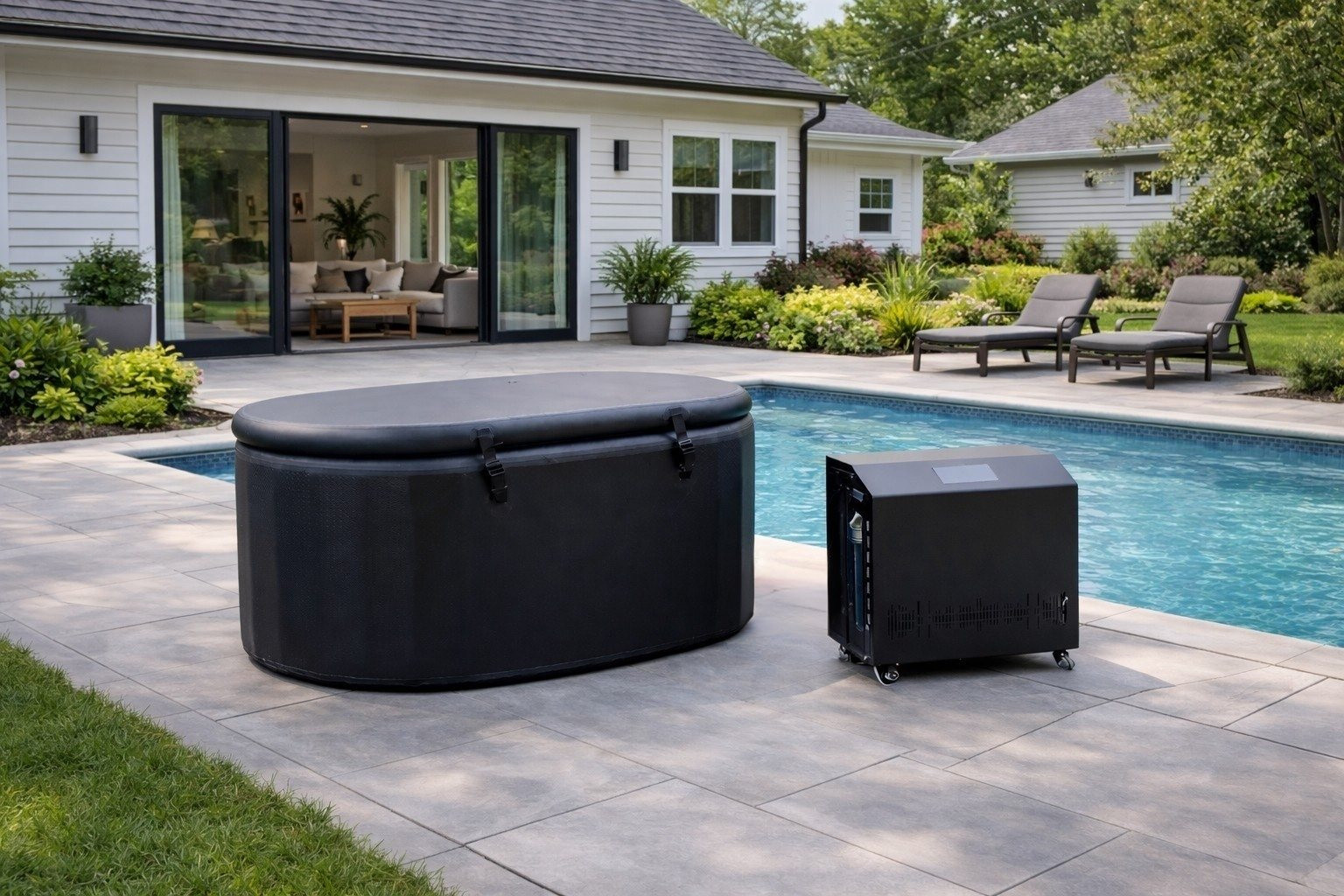
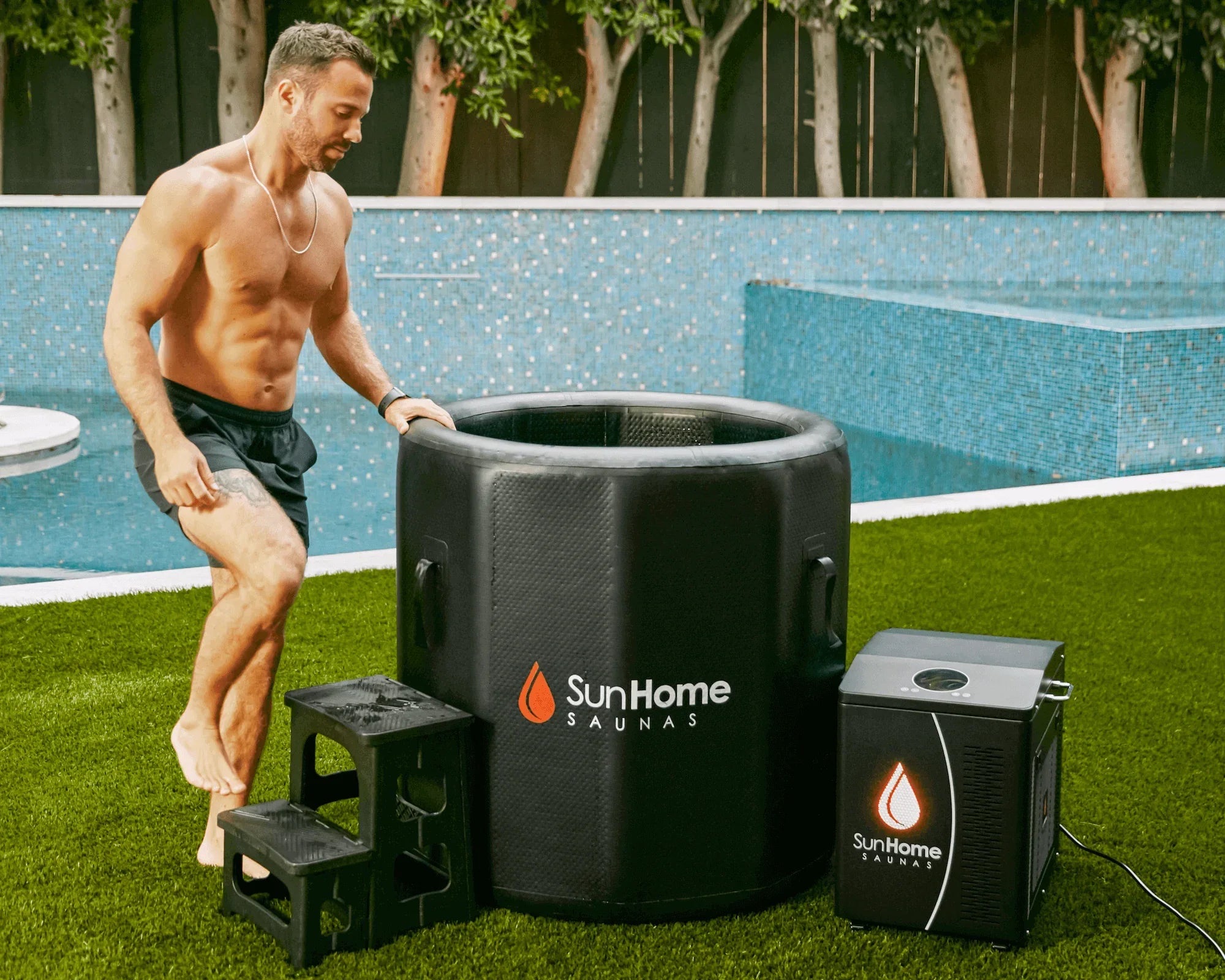
Active cold plunge picks tagged for this use, in neutral order (price, then most recently updated).
Frequently asked questions
Should I end on hot or cold?
Either is fine; it depends on your goal. End on cold to feel alert (good after training or in the morning), end on heat to relax (better before bed). Consistency matters more than the ending.
How many rounds of contrast therapy should I do?
A common structure is 3 to 4 rounds of a few minutes hot then a minute or two cold. Beginners should start with 2 rounds and shorter, milder cold exposures.
Does contrast therapy burn fat?
No. There is no credible evidence that alternating hot and cold burns meaningful fat or detoxifies the body. The supported benefits are around recovery and soreness.