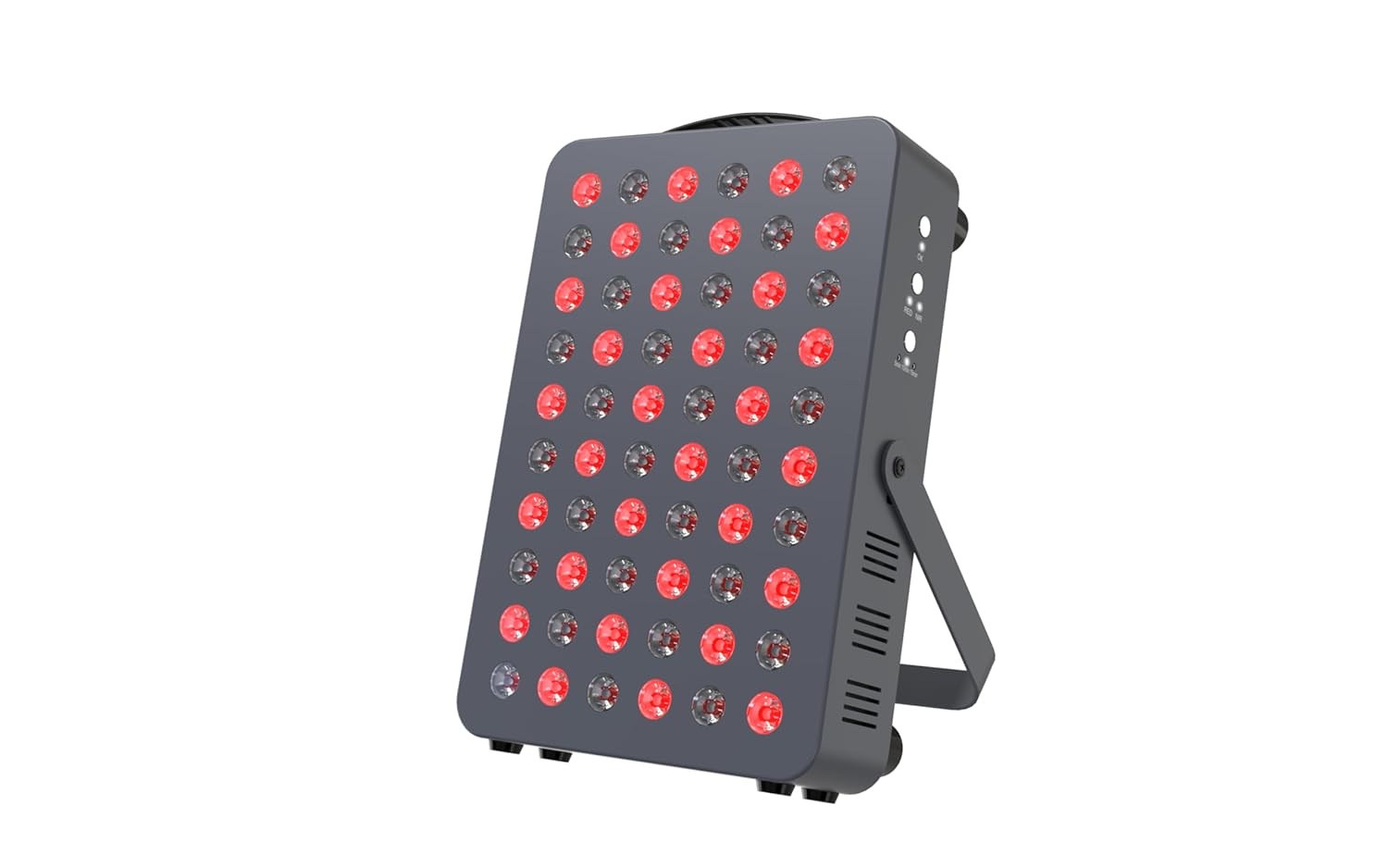
Best For

Best Red Light Therapy for Pain Relief in 2026

Red light therapy for pain works through a different mechanism than for skin. Near-infrared wavelengths (810-940nm) penetrate deeper into tissue — reaching muscles, joints, and even bone. The research on pain reduction is strong: a systematic review in the Journal of Athletic Training found cold and light therapy significantly reduced muscle soreness. For chronic conditions like arthritis, multiple studies show meaningful pain reduction with consistent NIR exposure. Here's what actually works.

Quick Answer

What's the best red light therapy for pain relief?

The FlexBeam ($568) is the best for targeted joint and muscle pain — it wraps around the affected area for direct, high-irradiance treatment. For full-body pain management, the Mito Red MitoPRO X ($1,099) delivers 940nm deep-penetrating light across large muscle groups. For budget pain relief, the Hooga HG300 ($170) held at close range delivers solid NIR dose.

  • Best targeted: FlexBeam — $568, wraps around joints, cordless
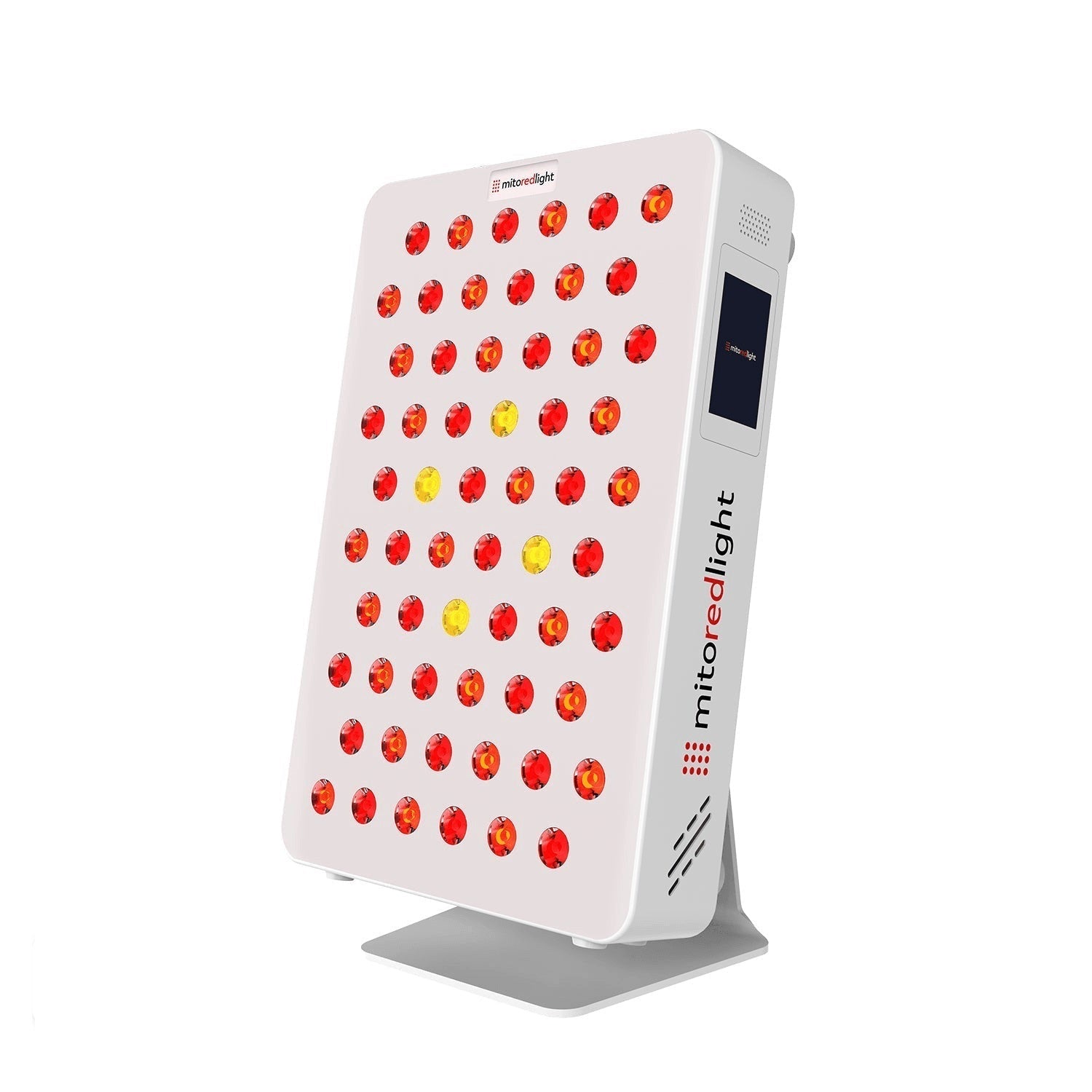
  • Best full body: Mito Red MitoPRO X — $1,099, deepest penetrating wavelengths
  • Best budget: Hooga HG300 — $170, effective NIR at close range

Our Top Picks

#1Best for targeted joint & muscle pain

FlexBeam

4.6$568

The FlexBeam is built specifically for pain relief. Its three adjustable modules wrap around knees, shoulders, elbows, or any joint for direct contact treatment. At 200+ mW/cm² at contact, it delivers more dose to a specific pain point than any panel can from distance. It's cordless and rechargeable, so you can wear it while watching TV or working at a desk. The tradeoff is coverage — it treats one area at a time. For someone with chronic knee pain or a shoulder injury, this is the most efficient tool.

Pros
  • Most powerful portable RLT device
  • Truly cordless — use anywhere
  • Wraps around any body part
Cons
  • Expensive for a targeted device
  • Small coverage area per session
#2Best for full-body pain management

MitoPRO X Series

4.7$1,099

If your pain isn't localized — general muscle soreness, full-body recovery, or multiple problem areas — the MitoPRO X covers more ground. The 940nm wavelength is the deepest-penetrating option available, reaching into joints and deep muscle tissue. Stand 6 inches away for 15 minutes and you're treating your entire front or back. For athletes, chronic pain sufferers, or anyone dealing with widespread inflammation, this is the more comprehensive solution.

Pros
  • Best wavelength variety in class
  • App control for precise dosing
  • Modular system scales with your needs
Cons
  • Premium pricing
  • Fan noise noticeable in quiet rooms
#3Best budget pain relief option

HG300 Red Light Panel

4.5$170

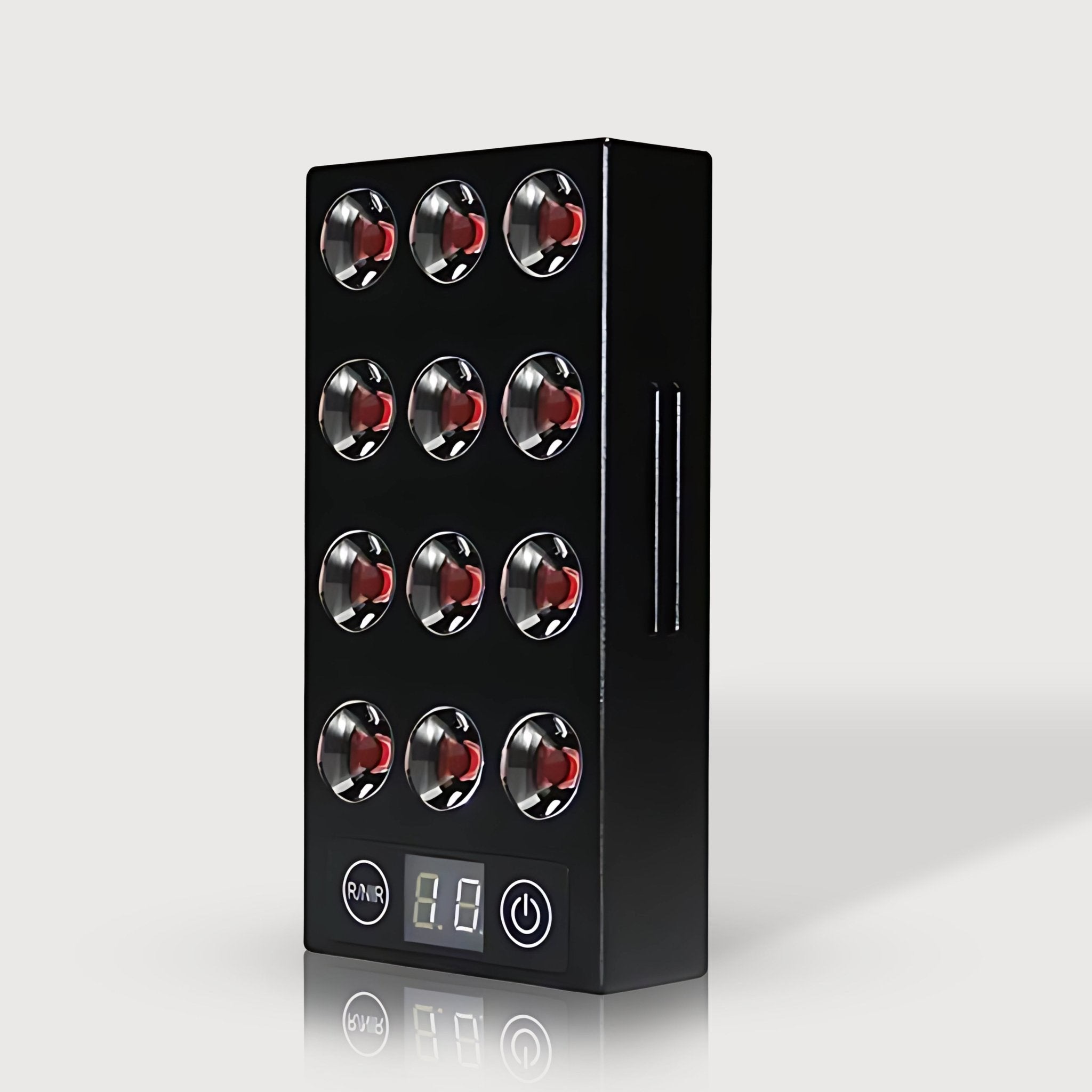
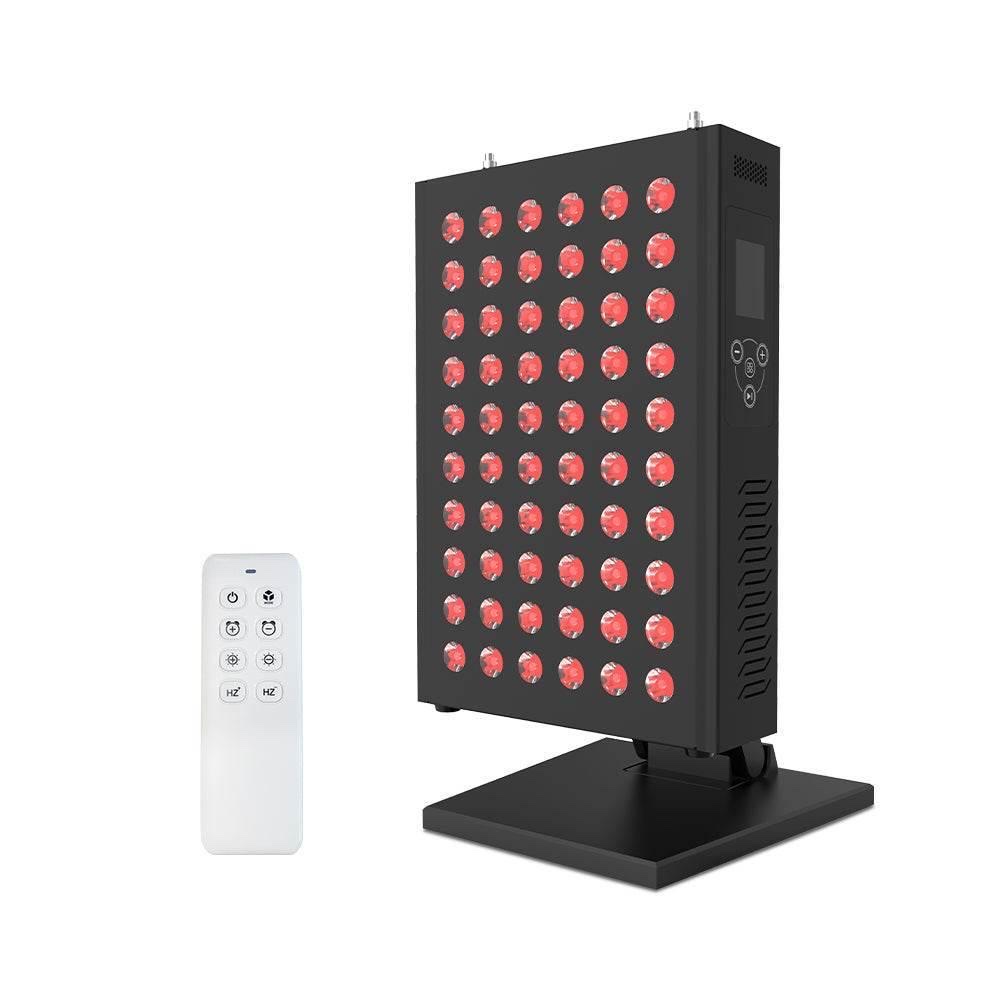
The Hooga's 850nm NIR at close range (2-3 inches) delivers a solid therapeutic dose to a targeted area. Hold it against your lower back for 10 minutes, then move to your knee. It's not as convenient as the FlexBeam or as comprehensive as the MitoPRO X, but at $170 it's the lowest-cost way to get meaningful NIR therapy for pain.
Pros
  • Best value in the market — under $200
  • Solid build quality for the price
  • Versatile — hang, stand, or hold
Cons
  • Small coverage area — targeted, not full body
  • Lower irradiance than premium panels

Buying Guide

NIR wavelengths matter most for pain

For pain relief, near-infrared wavelengths (810-940nm) are more important than visible red (660nm). NIR penetrates deeper — reaching muscle, joint capsules, and even bone. The 940nm wavelength penetrates deepest. If pain relief is your primary goal, prioritize devices with strong NIR output over those focused on red light for skin.

Contact vs distance treatment

For joint pain and localized issues, devices used at contact or near-contact (like the FlexBeam) deliver dramatically more dose than panels used at 6+ inches. The inverse square law means doubling your distance quarters your dose. If you have a specific pain point, a portable device held against it will outperform a large panel from across the room.

Frequently Asked Questions

Most studies show pain reduction within 1-2 weeks of daily treatment (10-20 minutes per area). Some people notice relief after a single session, though consistent use delivers the best results. Chronic conditions like arthritis may take 4-6 weeks for significant improvement.

Red light therapy can complement pain management but should not replace prescribed medication without medical guidance. Many users report reducing their use of anti-inflammatories after starting consistent RLT, but this should be discussed with your doctor.

Still deciding?

Our quiz matches you with the best red light therapy for your specific needs.