What the study found
The Ottawa research team found that cold exposure activates specific cellular pathways related to stress response and repair. When cells are exposed to cold temperatures, they produce cold shock proteins (CSPs), which are molecular chaperones that help maintain protein structure and function under stress.
Simultaneously, the cells activated heat shock proteins (HSPs). Despite the misleading name (they were originally discovered in heat-stressed cells), HSPs are general stress response proteins that facilitate cellular repair. Their activation during cold exposure suggests that cold triggers a broad protective response, not just a temperature-specific one.
The mitochondrial changes were particularly interesting. Cold exposure improved mitochondrial function, essentially making the cell's energy-producing machinery more efficient. Since mitochondrial dysfunction is associated with aging and numerous diseases, this finding has implications beyond just recovery.
Hormesis: the bigger picture
This study fits within the broader concept of hormesis, the principle that controlled, moderate stress makes biological systems more resilient. Exercise is the most familiar example: muscle fibers are damaged during training and rebuilt stronger. Cold exposure appears to work through a similar mechanism at the cellular level.
A 2019 study in the journal Aging Cell found that cold exposure activated pathways associated with longevity in animal models. While human longevity research is inherently difficult (you can't run a 50-year cold plunge study), the molecular pathways being activated are the same ones associated with caloric restriction and other known longevity interventions.
The Finnish sauna studies provide indirect supporting evidence. Research following over 2,300 men for 20+ years found that frequent sauna users (4-7 times per week) had significantly lower rates of cardiovascular death and dementia. Regular temperature stress, whether hot or cold, appears to have protective effects.
What this means for your cold plunge routine
The cellular benefits appear to require consistent, repeated exposure, not a single dramatic session. This aligns with what experienced cold plungers report: the benefits compound over weeks and months of regular practice.
The research doesn't specify an optimal protocol for cellular benefits, but the general consensus from the cold exposure literature suggests: 3-5 sessions per week, 2-5 minutes per session, at temperatures between 45-55°F. This is sufficient to trigger the cold shock response without extreme risk.
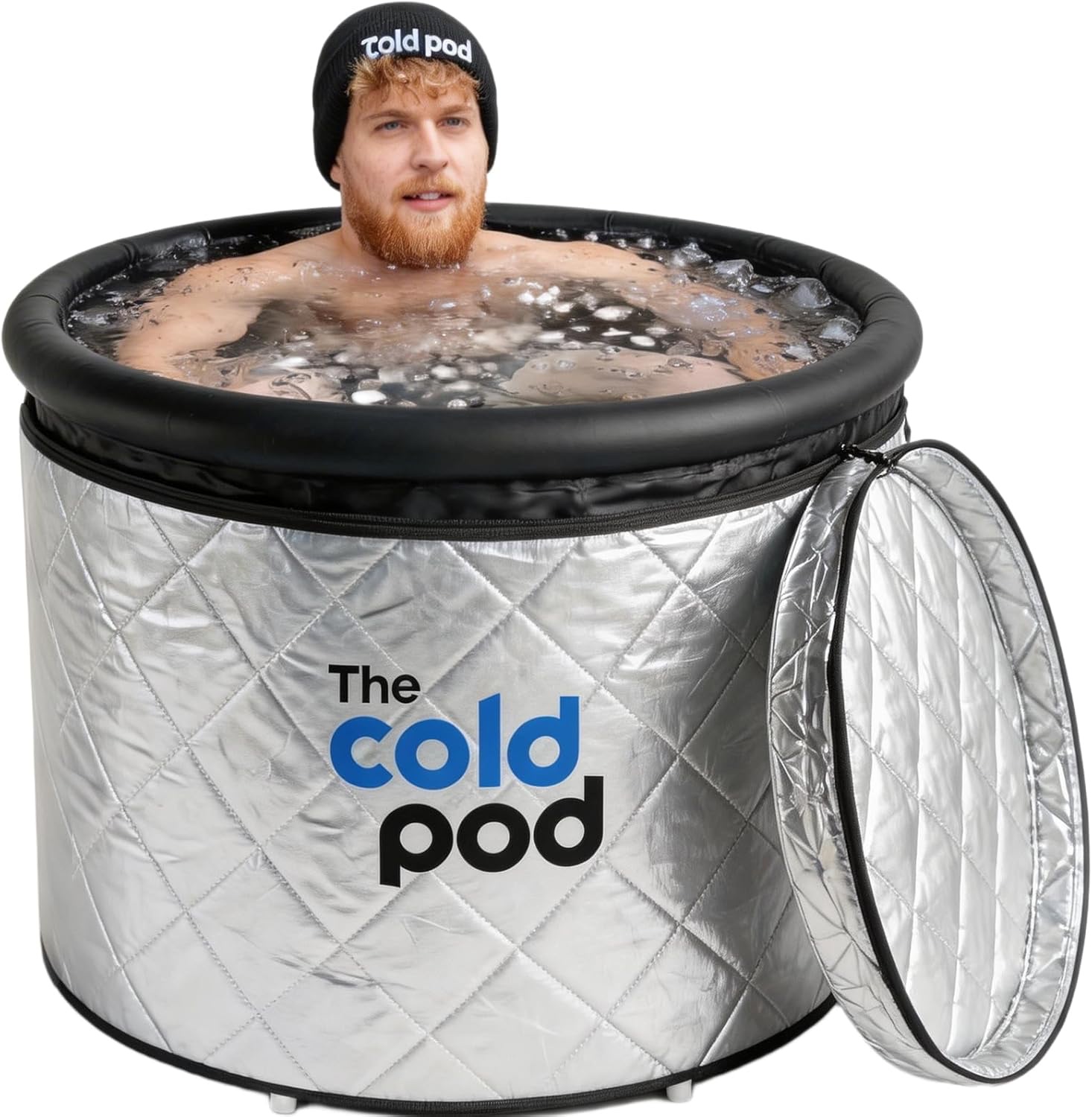
You don't need expensive equipment to start. A Cold Pod with ice gets you the same cellular response as a $5,000 tub. The cells don't know what container you're in; they respond to the temperature stimulus. Upgrade your setup when the habit is established and you want more convenience.
What we still don't know
The Ottawa study is an important piece of a larger puzzle, not a final answer. Key open questions include: what's the minimum effective dose for cellular benefits? Do the acute cellular changes translate to long-term health outcomes in humans? Does age, fitness level, or health status change the response? And how do cold plunging and sauna use interact when combined in a contrast therapy protocol?
The science is genuinely encouraging. But cold plunging isn't a miracle intervention; it's one component of a healthy lifestyle that includes exercise, sleep, nutrition, and stress management. The cellular research suggests it's a legitimate component, not just a feel-good practice with no biological basis.