Barrel vs cabin vs hybrid
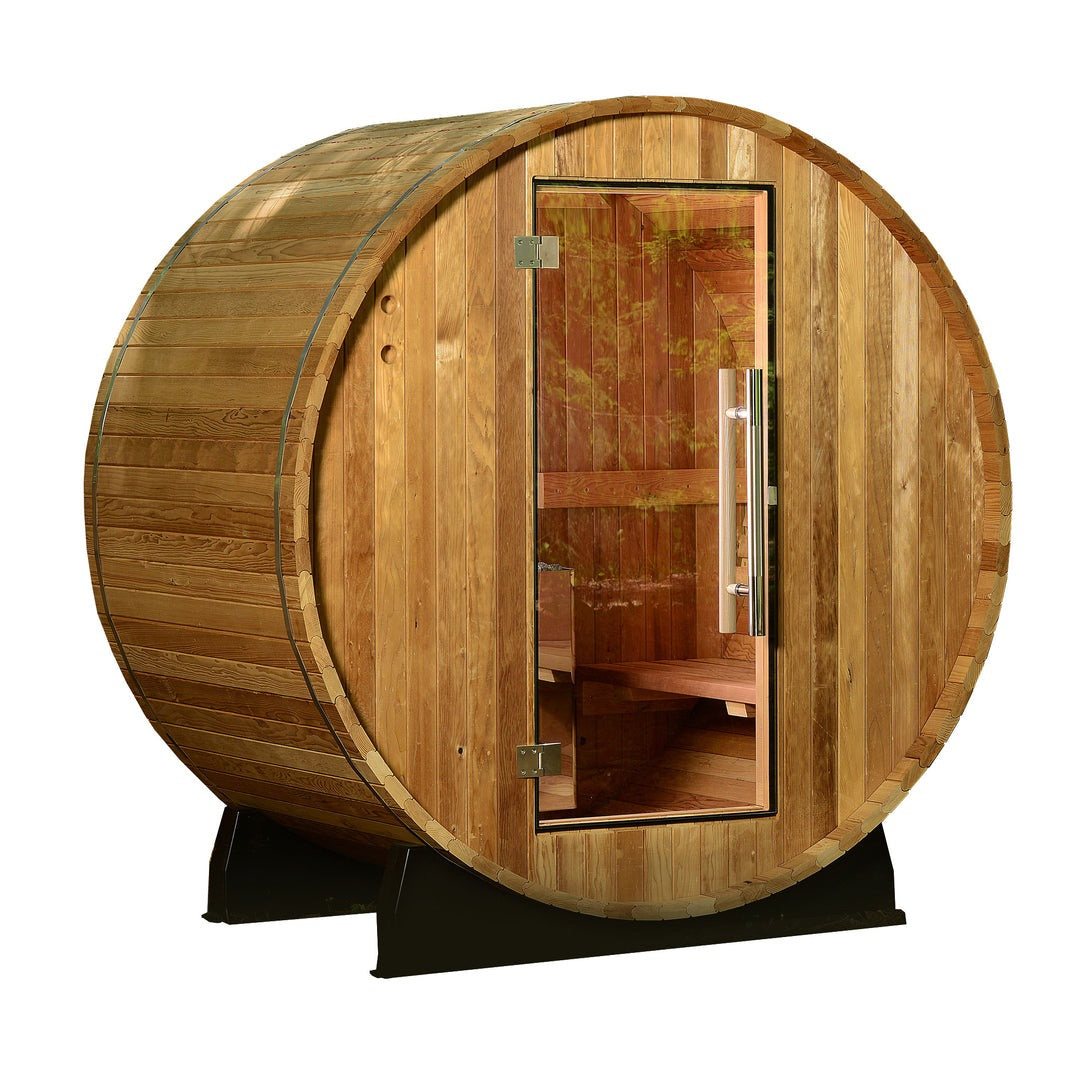
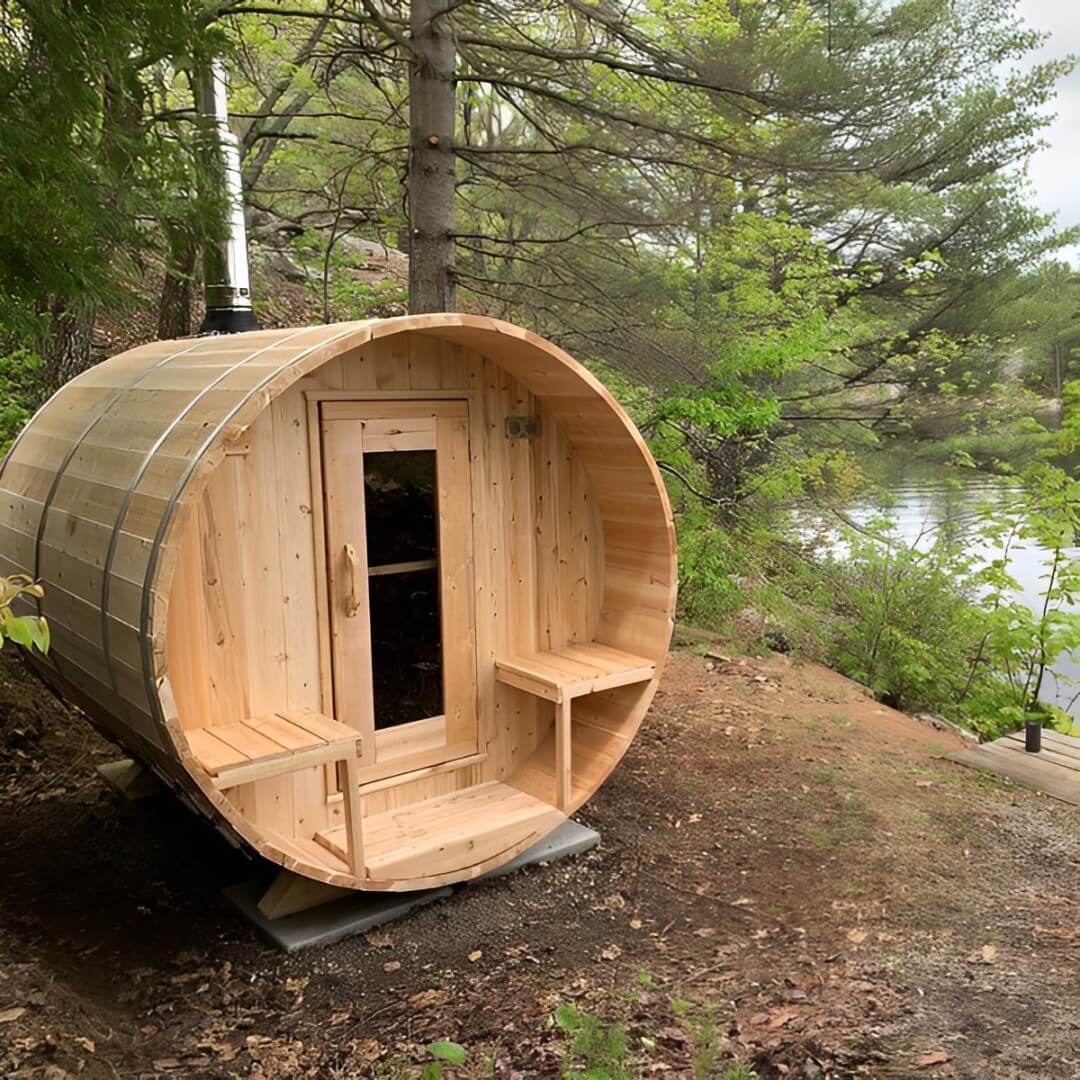
Barrel saunas heat faster, look iconic, and use less material per capacity. The curved walls circulate air efficiently. The tradeoff is limited interior space and curved walls you cannot lean against comfortably. Best barrel: Almost Heaven Pinnacle ($5,715) with heater included.
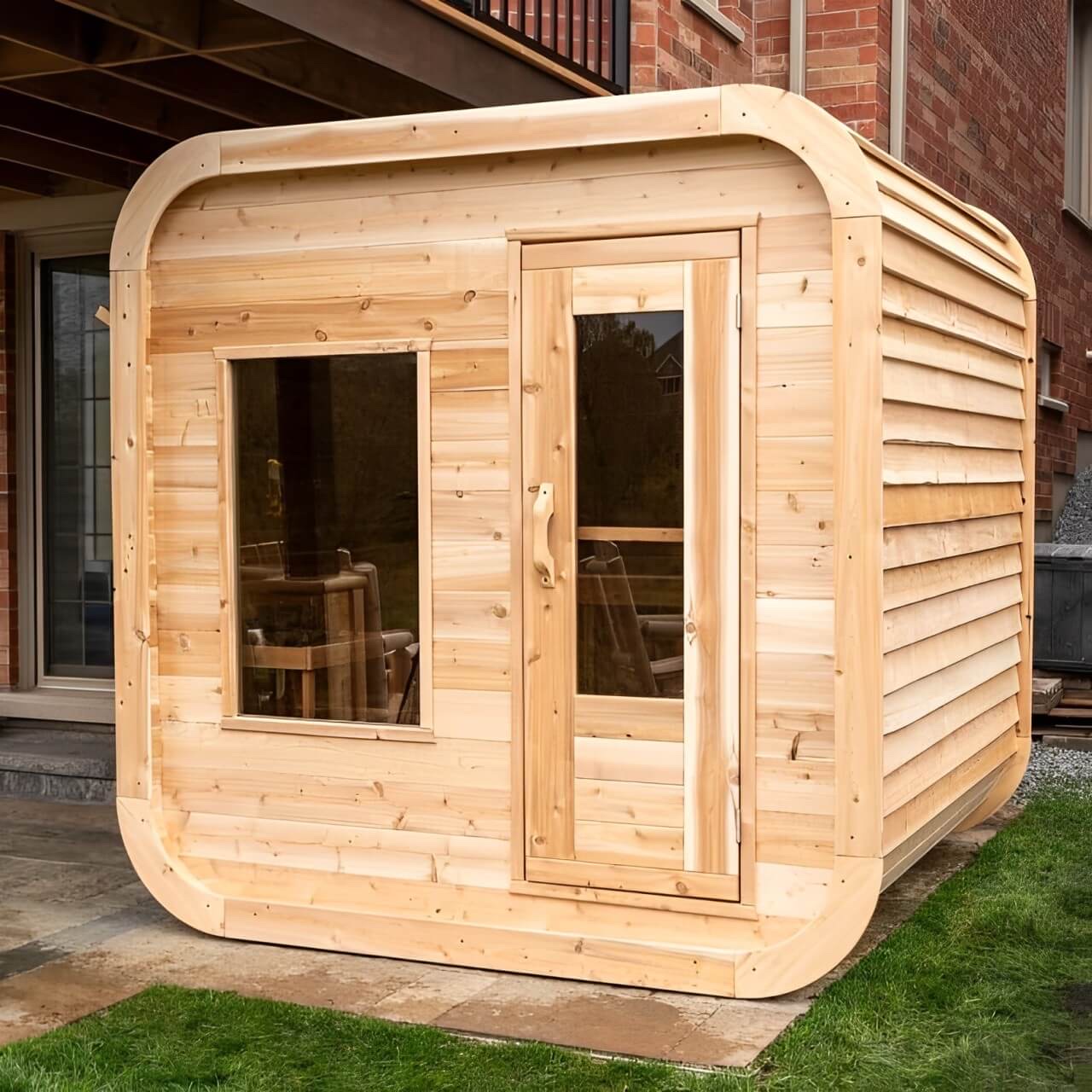
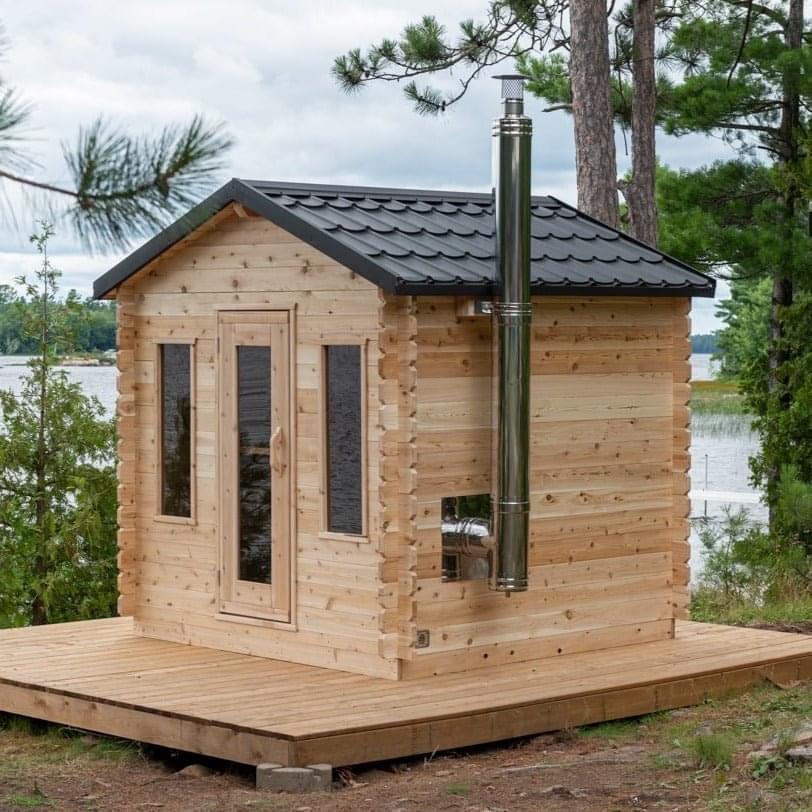
Cabin saunas offer flat walls, more usable space, and easier furniture arrangement. You can stand up, stretch, and lean back against flat surfaces. They take longer to heat because of the dead air space at the ceiling. Best cabin: Dundalk Georgian ($7,009) in eastern white cedar.
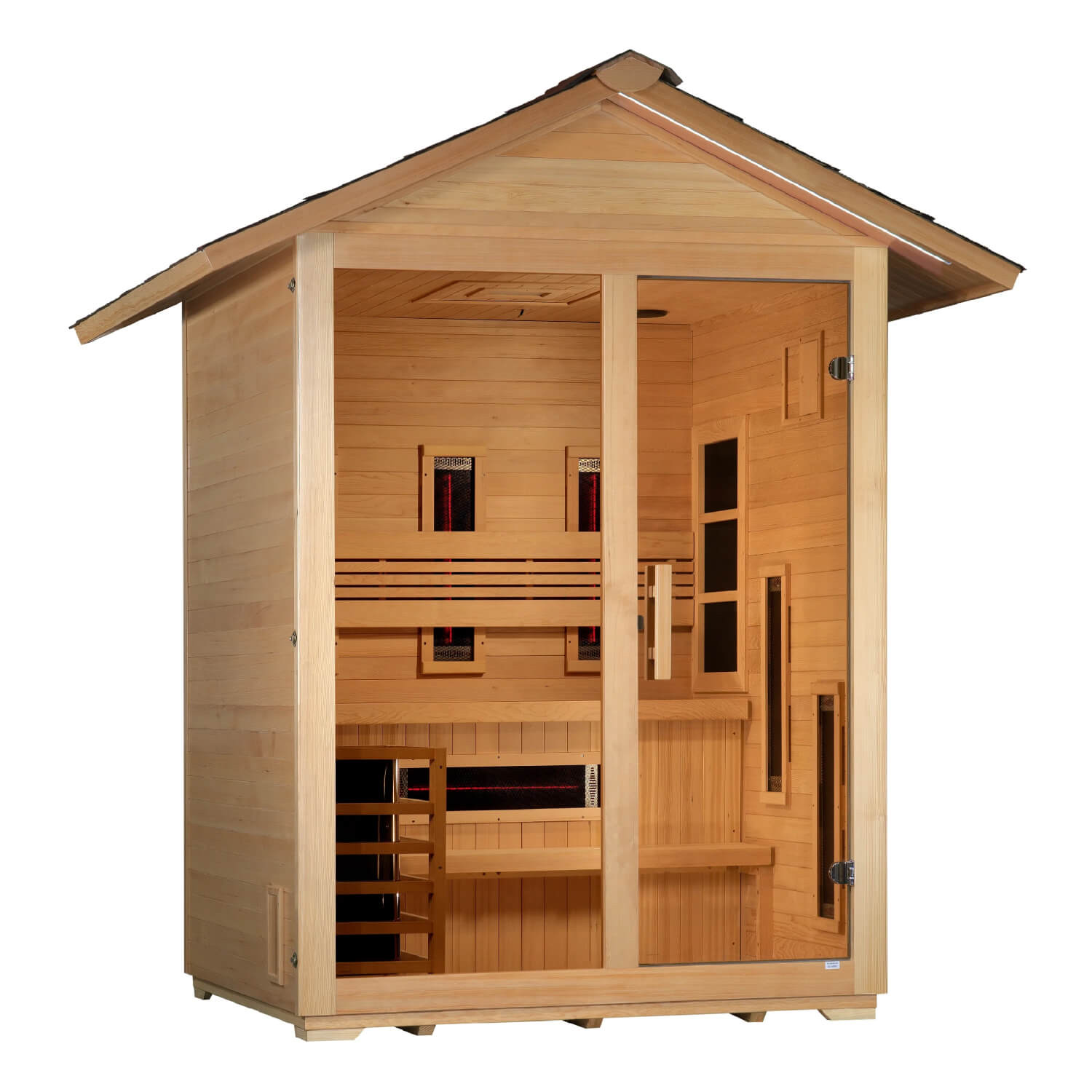
Hybrid saunas combine infrared panels with a traditional rock heater. Run infrared for low-heat recovery. Fire up the stove for 190°F+ with steam. The Golden Designs Carinthia ($6,999) is the only hybrid worth considering at this price point. It uses a real Harvia SWS80 stove, not a compromise heater.
Cedar vs spruce vs fir: the wood question
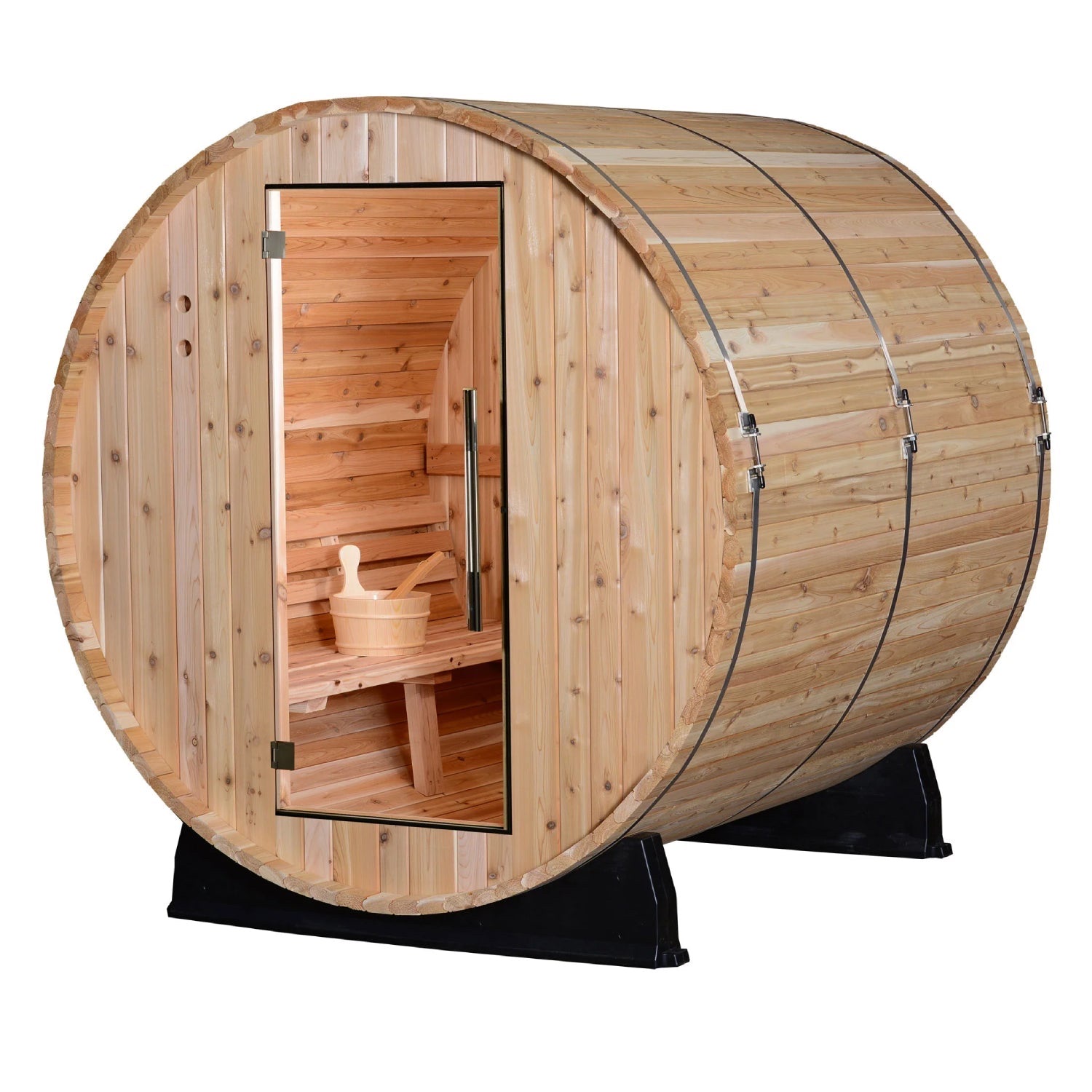
Cedar is the gold standard. Eastern white cedar (Dundalk) and western red cedar are naturally resistant to rot, insects, and moisture. They smell good when hot. They weather to a silver gray that looks better with age. They cost more.
Thermo-spruce (SaunaLife) is heat-treated to resist warping and moisture absorption. It does not have cedar's natural oils but it performs well in wet climates through engineering rather than biology. Good option if you want European aesthetics at a lower price than cedar.
Fir (Almost Heaven) is the most affordable. Rustic fir looks great when new and smells like a forest. It needs more maintenance in wet climates: annual sealing, occasional sanding. In dry climates like Colorado or Arizona, fir is perfectly fine. In the Pacific Northwest, spend the extra for cedar.
Foundation: the thing nobody plans for
A 4-person barrel sauna weighs 400-600 lbs empty. Add two people and water from steam and you are past 800 lbs on a 24 square foot footprint. That is 33+ lbs per square foot.
Options: concrete slab ($300-800 DIY, $1,000-2,000 hired), gravel pad with pavers ($150-400 DIY), or a reinforced deck. Do not put a sauna directly on grass. Moisture underneath will rot the bottom of any wood sauna regardless of species.
Most residential decks are rated for 40-60 lbs per square foot. A barrel sauna is within range, but place it over or near a support beam, not in the middle of an unsupported span. Check your deck's load rating before ordering.
The 240V question
Every traditional outdoor sauna with an electric heater above 4.5 kW needs a dedicated 240V circuit. If you have ever installed a hot tub, EV charger, or dryer outlet outdoors, you already have the infrastructure. If not, budget $200-500 for an electrician to run a new circuit.
This is non-negotiable for traditional heat. A 6 kW heater on 120V does not exist. The only way around it is a wood-burning heater, which trades the electrical requirement for a chimney, fire management, and wood supply.
Infrared-only saunas (like the OUTEXER at $1,000) run on standard 120V, but these are indoor products. For outdoor traditional heat, plan for 240V.
Maintenance reality
Cedar: seal or stain the exterior once per year. Interior is self-maintaining when heated regularly (the heat kills bacteria). Sand any rough spots. Tighten band clamps on barrels as the wood seasons in the first year. Total annual maintenance: 2-3 hours.
Thermo-spruce: similar to cedar but slightly less forgiving of missed maintenance. The thermal treatment reduces but does not eliminate moisture absorption.
Fir: seal the exterior twice per year in wet climates, once in dry. Check for soft spots and address them early. Fir is a beautiful, affordable wood that rewards attentive owners and punishes neglectful ones.
All wood saunas: rearrange heater rocks every few months. Replace rocks every 1-2 years. Wipe the interior after each session. Cover the sauna when not in use if you get significant rain or snow.
What to buy
Under $5,000: Almost Heaven Salem ($4,770). 2-person barrel, heater included, limited lifetime warranty.
$5,000-6,000: Almost Heaven Pinnacle ($5,715). 4-person barrel, heater included. The sweet spot for most buyers.
$6,000-7,000: Dundalk Serenity ($5,724 + heater) for the porch experience. Dundalk Luna ($6,840 + heater) for a modern cube look. Golden Designs Carinthia ($6,999) for hybrid IR + traditional.
$7,000+: Dundalk Georgian ($7,009 + heater). Cedar cabin, seats 6, the statement piece.