The key difference: surface area and speed
The neurochemical response to cold exposure (the dopamine and norepinephrine surge) is triggered by cold thermal receptors on the skin. More receptors activated simultaneously means a stronger signal to the nervous system.
In a cold plunge, your entire body below the neck is submerged simultaneously. Every cold receptor fires at once. The sympathetic nervous system response is immediate and intense.
In a cold shower, water contacts a fraction of your body at any given moment. The stream hits your back while your chest is exposed to air. You rotate, and now your chest is cold while your back starts to warm. The total skin surface contacted at any given second is maybe 15–20% of what full immersion achieves.
This is not a trivial difference. The magnitude of the cold shock response, and therefore the neurochemical cascade, scales with the volume and speed of cold exposure. Full immersion creates a significantly larger physiological stimulus than partial contact from a showerhead.
What the research says
The Šrámek et al. (2000) study that produced the famous 250% dopamine and 530% norepinephrine numbers used head-out water immersion at 57°F. The subjects were submerged to the neck. This is fundamentally different from standing under a cold shower.
A 2008 paper by Shevchuk in Medical Hypotheses proposed cold showers as a potential treatment for depression, noting that even brief cold showers (2–3 minutes at 68°F) activated the sympathetic nervous system and could trigger norepinephrine release. However, the magnitude of the response was not measured as precisely, and Shevchuk himself characterized cold showers as a milder stimulus compared to full immersion.
Leppäluoto et al. (2008) studied repeated whole-body cold exposure and found 200–300% increases in norepinephrine, but again, this involved full-body immersion or cryotherapy chambers, not showers.
The honest summary: cold showers activate the same pathways but to a lesser degree. The dopamine and norepinephrine response from a cold shower is real, but it is likely 30–50% of what full immersion produces at the same temperature.
When a cold shower is enough
If you are brand new to cold exposure. A cold shower is the lowest-friction way to start building cold tolerance. End your regular shower with 30–60 seconds of the coldest setting. Do this daily for two weeks. You will notice mood and alertness improvements, and you will be preparing your nervous system for full immersion.
If you travel frequently. You cannot bring a cold plunge tub to a hotel room. A cold shower is always available. For maintaining your cold exposure practice on the road, a 3-minute cold shower is vastly better than skipping entirely.
If your primary goal is wakefulness. The alertness boost from a cold shower is immediate and real. If you just want to feel awake and sharp in the morning, a cold shower delivers.
When you need the plunge
If you are following a specific protocol. Huberman's 11-minute weekly recommendation is based on immersion research, not shower research. If you want the full dopamine and metabolic response that the literature describes, you need immersion.
If you are using cold exposure for mood or mental health. The sustained dopamine elevation (the 2–3 hour afterglow that people describe) is an immersion effect. Cold showers produce a briefer, less pronounced version.
If you want metabolic benefits. Brown fat activation, improved insulin sensitivity, and increased metabolic rate are primarily documented in immersion studies. The stimulus from a shower may be insufficient to trigger these deeper adaptations.
If you are training resilience. The psychological component of lowering yourself into cold water and choosing to stay is fundamentally different from standing under a showerhead. The mental challenge of immersion builds a different kind of stress tolerance.
The practical ladder
Level 1: Cold shower finish (free). End your daily shower with 30–90 seconds of cold. Benefits: wakefulness, mild norepinephrine boost, cold adaptation. This is where everyone should start.
Level 2: Dedicated cold shower (free). Full cold shower for 2–5 minutes. Benefits: stronger sympathetic response, meaningful norepinephrine increase, mental toughness. Good for maintenance when traveling.
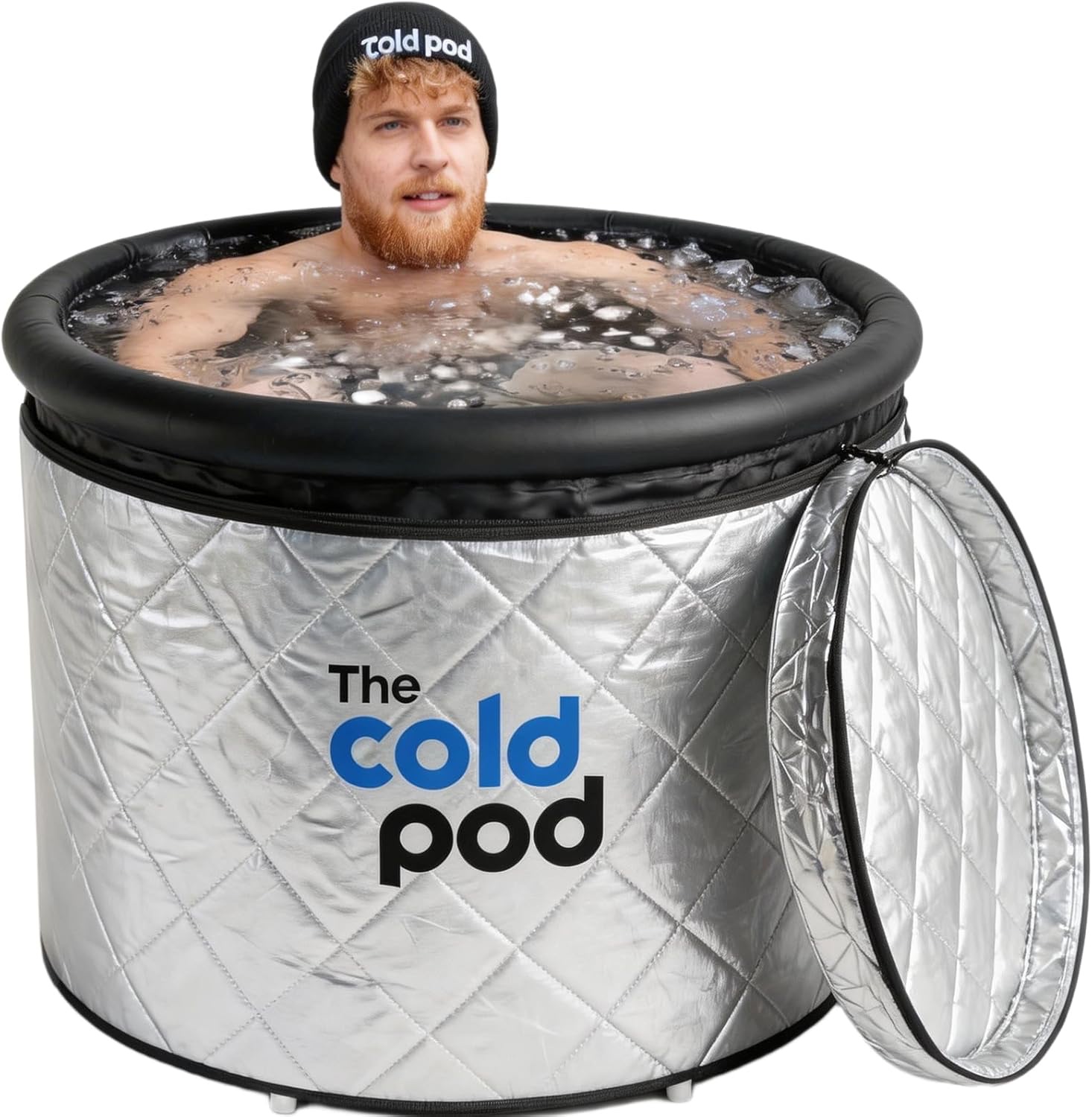
Level 3: Portable cold plunge ($99–$200). Full immersion with ice in a portable tub. Benefits: full neurochemical response, approaching what the research measures. Requires ice management.
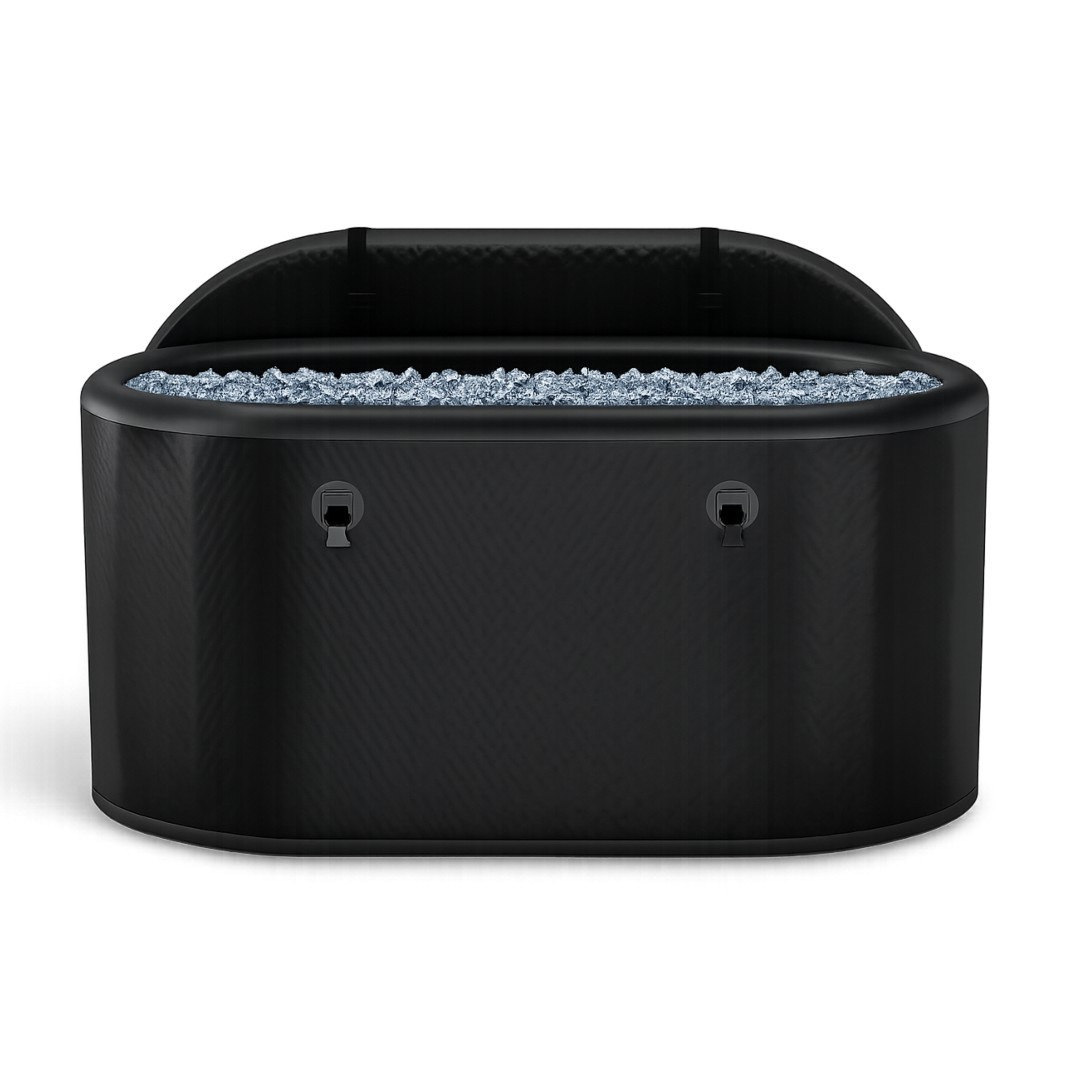
Level 4: Dedicated cold plunge ($1,000–$5,000). Insulated tub or chiller-equipped unit at a set temperature. Benefits: complete protocol compliance, zero friction, consistent temperature. This is what enables daily practice long-term.
Each level up increases the physiological stimulus and reduces the friction that causes people to quit. A cold shower is real. A cold plunge is more. Choose the level that matches your goals and your budget, and know that starting at Level 1 is infinitely better than planning for Level 4 and never beginning.
Sources: Šrámek et al., Eur J Appl Physiol (2000); Shevchuk NA, Med Hypotheses (2008); Leppäluoto et al., Int J Circumpolar Health (2008).