The mechanism: why light affects biology
Red light therapy works through a process called photobiomodulation (PBM). Specific wavelengths of light, primarily 630–660nm in the red spectrum and 810–850nm in the near-infrared (NIR) spectrum, are absorbed by a mitochondrial enzyme called cytochrome c oxidase.
When this enzyme absorbs red or NIR light, it temporarily releases nitric oxide (which had been inhibiting its function), allowing electron transport to resume at a higher rate. The result is increased adenosine triphosphate (ATP) production, the cellular energy currency your body uses for repair, growth, and inflammation regulation.
This is not a fringe hypothesis. The discovery of cytochrome c oxidase as the primary photoacceptor in photobiomodulation was published in the Proceedings of the National Academy of Sciences in 1995 by Tiina Karu, one of the foundational researchers in the field. The mechanism is well-established basic science.
Wavelengths: why 660nm and 850nm matter
Not all wavelengths are equal. Research consistently identifies two primary therapeutic windows:
Red light (630–660nm): Penetrates skin 1–2mm. Most effective for surface-level applications like skin rejuvenation, collagen stimulation, wound healing, and facial treatment. Absorbed primarily by skin cells and superficial blood vessels.
Near-infrared (810–850nm): Penetrates 3–5mm into tissue, reaching muscle, tendons, and bone. Most effective for deep-tissue applications like muscle recovery, joint inflammation, and pain relief.
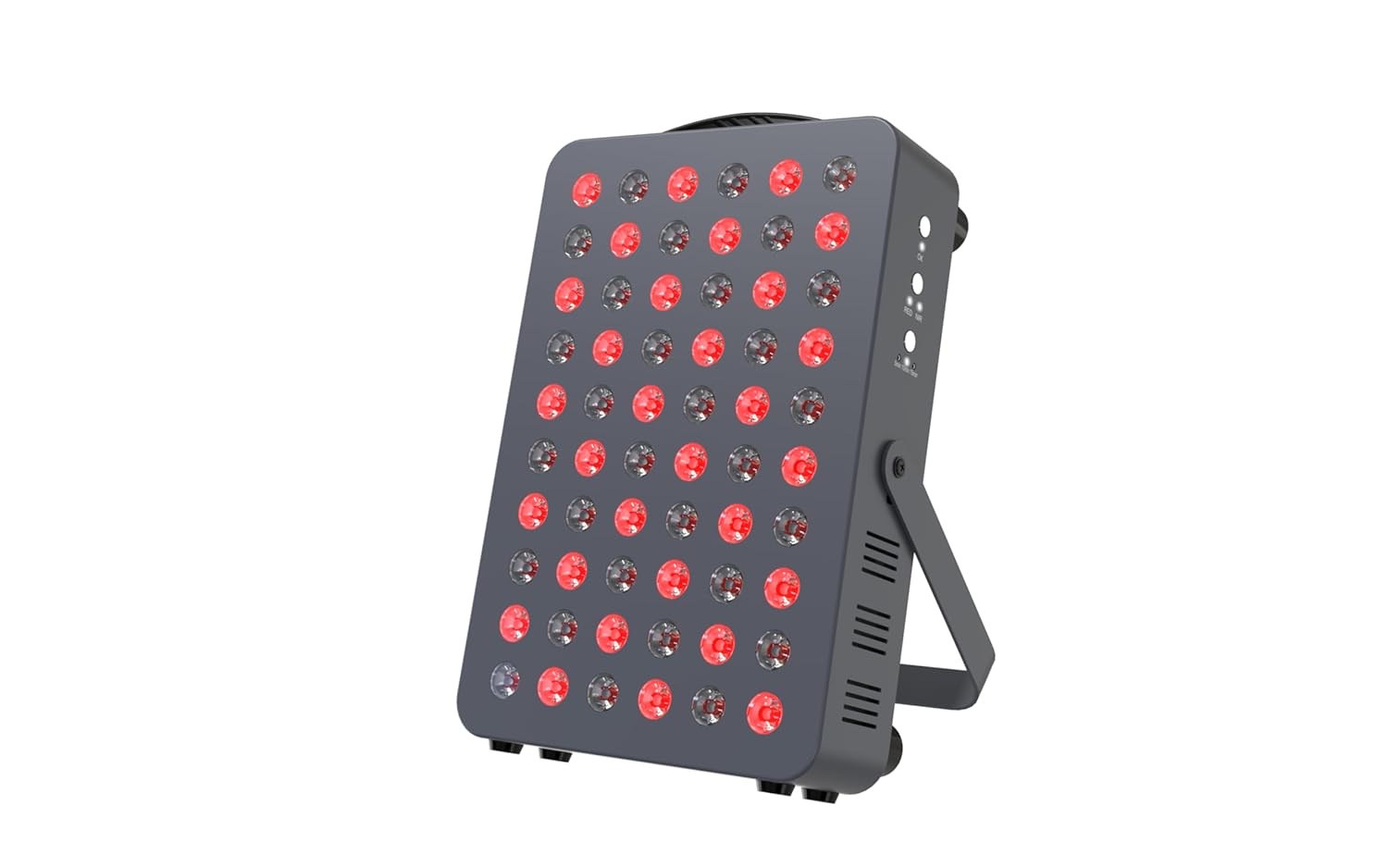
A 2013 review in Photomedicine and Laser Surgery confirmed that these two windows produce the most consistent therapeutic effects across cell types. Panels that combine both wavelengths, like the MitoPRO X (630, 660, 810, 830, 850, 940nm) and the BioMax 900 (630, 660, 810, 830, 850nm), cover both therapeutic windows in a single device. Budget options like the Hooga HG300 use just 660nm and 850nm, the two most researched wavelengths, at a fraction of the cost.
Skin health and collagen: strong evidence
This is the most robustly studied application. A randomized controlled trial published in Photomedicine and Laser Surgery (2014) found that subjects receiving red light therapy twice weekly for 30 sessions showed significant improvements in skin complexion, collagen density (measured by ultrasound), and reduction in fine lines, confirmed by blinded dermatologist assessment.
The mechanism is direct: red light at 630–660nm stimulates fibroblasts, the cells responsible for collagen synthesis. It also reduces inflammation that breaks down existing collagen. The result is both new collagen production and protection of existing structure.
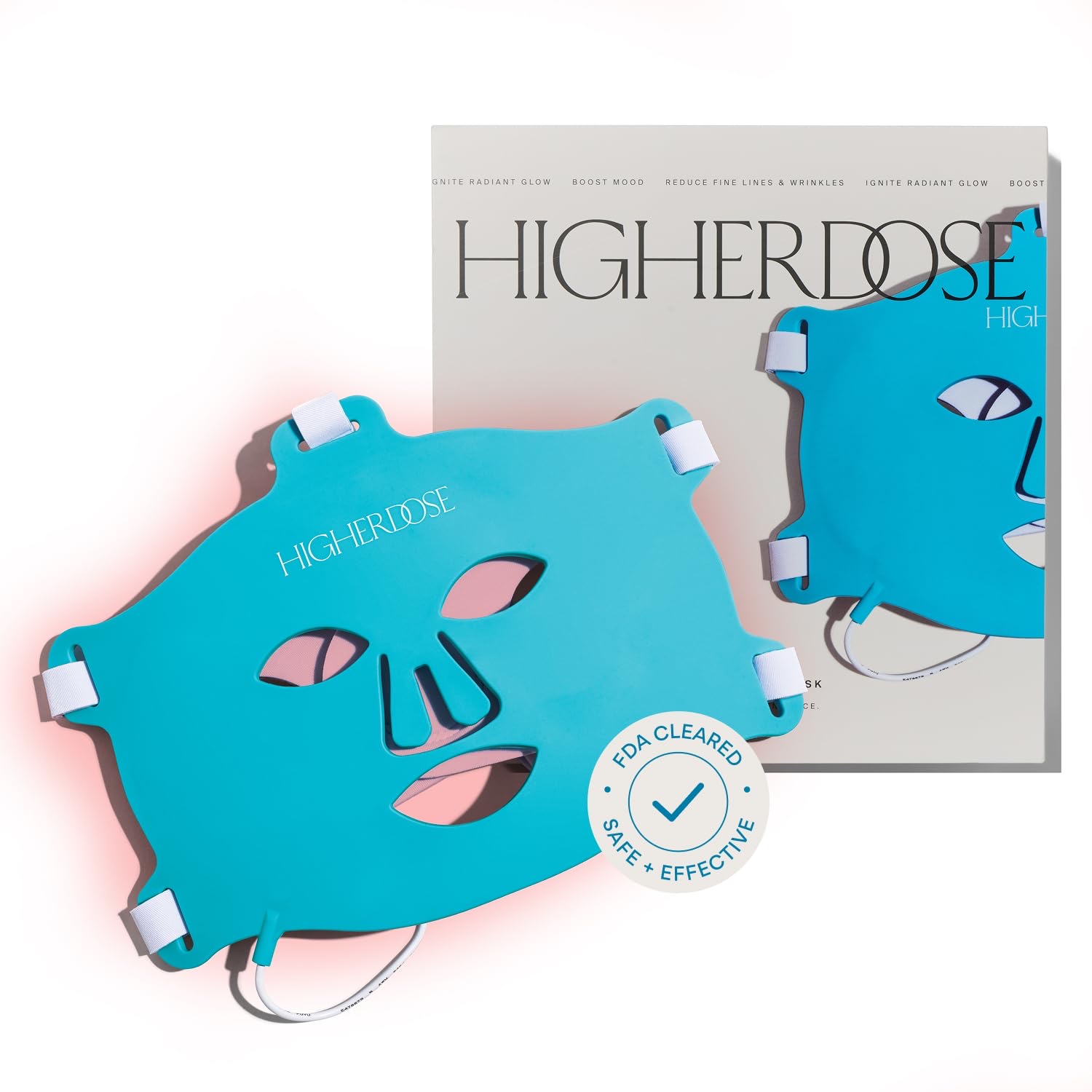
For targeted facial treatment, the HigherDOSE Red Light Face Mask ($349) uses 630nm + 830nm in a wearable format. For broader coverage, most full-panel setups at 6–12 inches distance cover the face and neck in a standard session.
Muscle recovery and performance: strong evidence
A 2016 meta-analysis in Lasers in Medical Science reviewed 39 randomized controlled trials on photobiomodulation and exercise performance. The findings: pre- and post-exercise red light therapy consistently reduced muscle soreness (DOMS), decreased creatine kinase levels (a biomarker of muscle damage), and improved time to fatigue in subsequent sessions.
The mechanism is twofold: NIR light reduces oxidative stress in muscle cells post-exercise, and increased ATP production accelerates repair of micro-tears. Think of it as accelerating the repair cycle that training depends on.
For athletes needing targeted joint or muscle treatment (a knee after heavy squats, a shoulder after pressing work), the FlexBeam ($568) wraps directly around the site with 200+ mW/cm² at contact distance. For full-body recovery after training, a panel session at 6 inches for 10–20 minutes covers the relevant musculature.
Joint pain and inflammation: strong evidence
The Journal of Inflammation published a 2017 review finding that photobiomodulation reduced pro-inflammatory cytokines (TNF-α, IL-1β, IL-6) in both animal models and human trials. This is the anti-inflammatory mechanism that underlies most of the pain relief research.
For osteoarthritis specifically, a Cochrane Review (2000, updated 2010) found low-level laser therapy, the precursor to modern LED-based red light therapy, provided short-term pain relief superior to placebo in rheumatoid arthritis. More recent LED research has replicated these findings with larger devices at higher irradiance.
Irradiance (mW/cm²) matters significantly for joint applications because you need enough energy density to reach tissue at depth. Panels like the MitoPRO X at 150+ mW/cm² and the BioMax 900 at 145+ mW/cm² provide sufficient dose at 6 inches. The Hooga HG300 at 100+ mW/cm² works for surface treatment; for deep joints, a closer distance or longer session compensates.
Sleep, mood, and hair growth: moderate evidence
These applications have real but less definitive supporting research.
Sleep: A 2012 study in the Journal of Athletic Training found that female basketball players receiving red light therapy showed improved sleep quality and serum melatonin levels over 14 days. The proposed mechanism is that red light helps reset circadian rhythm signaling. Unlike blue light (which suppresses melatonin), red light does not activate the melanopsin receptors that disrupt sleep onset.
Hair growth: A double-blind RCT published in Lasers in Surgery and Medicine (2013) showed statistically significant increases in hair count in male-pattern baldness subjects treated with 655nm laser caps vs. sham devices. The mechanism is increased ATP in hair follicle cells, extending the anagen (growth) phase.
Mood: Smaller studies suggest transcranial NIR light may improve depressive symptoms by increasing prefrontal cortex activity. This research is early-stage and primarily conducted with class IV lasers at medical settings, not consumer LED panels. Interesting, not proven at the consumer level.
What red light therapy does not do
Irradiance honesty matters here. Claims you will commonly see that are not supported by current evidence:
Fat loss / body contouring: Some devices market "lipo-laser" effects. The one mechanism that has any research basis involves disrupting fat cell membranes at very specific wavelengths and power densities in clinical settings. Consumer LED panels do not replicate these parameters. Do not buy a panel expecting body composition changes.
Systemic detox: Red light does not remove toxins. Your liver and kidneys do that. Increased circulation may marginally support normal waste removal, but this is not a meaningful detox mechanism.
Rapid results: Skin studies showing measurable collagen changes required 20–30 sessions. Recovery benefits accumulate over weeks of consistent use. Red light is a long-game tool, not an acute intervention.
How to use it: dose and distance
The two variables that determine your treatment dose are irradiance (power density at your skin) and time. The target therapeutic window for most applications is 10–60 J/cm² (joules per square centimeter) of energy delivered.
A practical starting point: position a full panel 6 inches from the treatment area. Treat each zone for 10–20 minutes per session, 4–5 sessions per week. For skin, use the red-only mode (660nm). For recovery and joint treatment, use combined red + NIR or NIR-only mode (850nm).
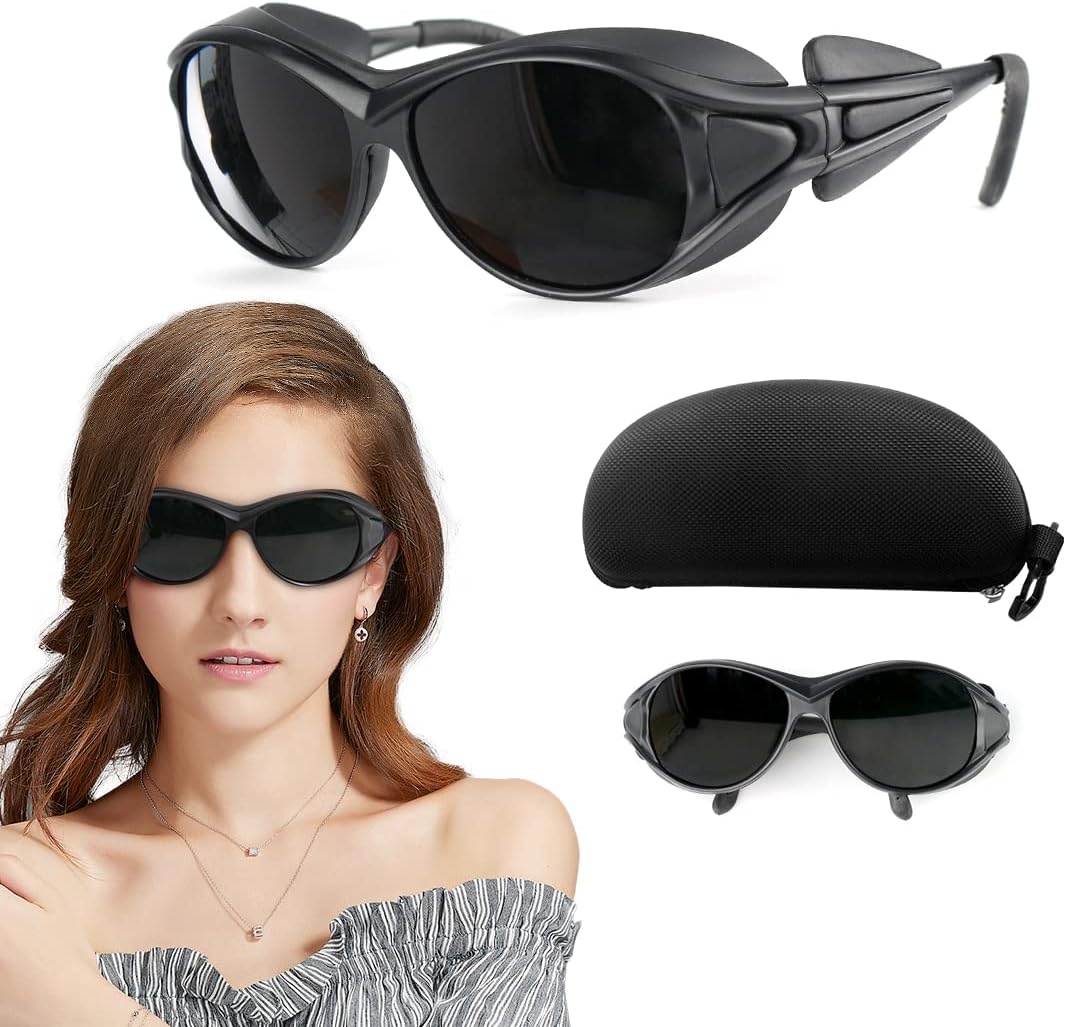
Eye protection is non-negotiable with any panel session. The visible red light is not a retinal hazard at normal distances, but the brightness causes reflex aversion and discomfort. Blackout goggles ($12) are the cheapest important accessory you can own.
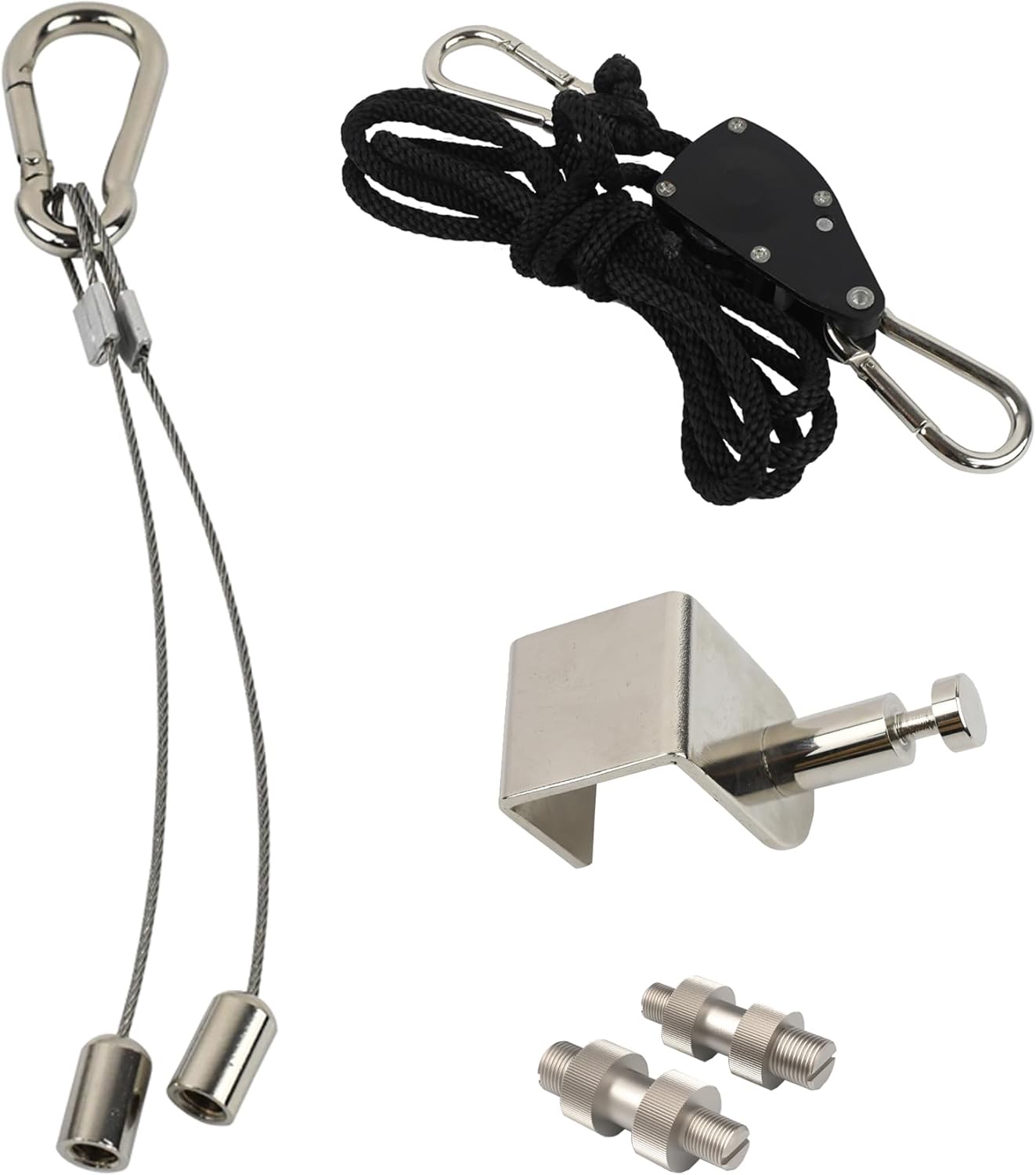
For mounting without drilling, a door mount kit ($35) lets you position the panel at standing or seated height and adjust freely.