The mechanism: why NIR light accelerates recovery
Intense exercise creates oxidative stress in muscle cells. Free radicals accumulate, mitochondrial function temporarily drops, and pro-inflammatory cytokines flood the tissue. This is normal and necessary for adaptation, but the faster you clear it, the faster you recover.
Near-infrared light at 810–850nm penetrates 3–5mm into tissue, deep enough to reach muscle fibers, tendons, and joint structures. When absorbed by cytochrome c oxidase in muscle cell mitochondria, it increases ATP production and reduces reactive oxygen species (ROS) accumulation. Less oxidative stress means faster resolution of the inflammatory cascade and quicker return to baseline function.
Nitric oxide release is a secondary mechanism: red and NIR light displace nitric oxide from cytochrome c oxidase, where it had been inhibiting function. The freed nitric oxide acts as a vasodilator, increasing local blood flow, delivering oxygen and nutrients, and clearing metabolic waste more efficiently.
The evidence: what studies actually found
The most comprehensive review is a 2016 meta-analysis published in Lasers in Medical Science by Leal-Junior et al., covering 39 randomized controlled trials on photobiomodulation and exercise. Key findings: pre- and post-exercise red and NIR light therapy consistently reduced DOMS at 24, 48, and 72 hours post-exercise; decreased blood creatine kinase levels (an objective marker of muscle damage); and improved time-to-exhaustion in subsequent sessions.
A 2018 double-blind RCT in the Journal of Biophotonics found that NIR treatment applied immediately post-exercise reduced muscle soreness by 55% at 48 hours compared to placebo in resistance-trained men. This was a well-controlled study: same training protocol, matched groups, sham device in the control arm.
Professional sports medicine now incorporates photobiomodulation routinely. Recharge Health, who make the FlexBeam, have published peer-reviewed research in partnership with Norwegian Olympic sports scientists, an unusual level of institutional investment for a consumer device brand.
Pre-workout vs post-workout: when to use it
Both timings have research support, with different mechanisms and goals.
Pre-workout (15–30 minutes before training): Primes mitochondrial function, increases local blood flow, and may reduce muscle fatigue during the session. A 2011 study in the Photomedicine and Laser Surgery journal found pre-exercise NIR treatment increased the number of repetitions to fatigue by 12% in a bicep curl protocol. Use it before heavy strength sessions or high-volume training days.
Post-workout (within 2 hours after training): Reduces oxidative stress at its peak, accelerates inflammatory resolution, and speeds creatine kinase normalization. This is the more researched window and likely the higher-impact timing for soreness reduction. Use it after every demanding session.
If you can only do one: post-workout. The acute recovery window is where the evidence is strongest.
Targeted vs full-panel: choosing the right device
Your choice depends on whether your recovery needs are localized or systemic.
Targeted recovery (specific joint or muscle group): The FlexBeam ($568) is the purpose-built tool here. It wraps directly around a knee, shoulder, elbow, or calf, delivering 200+ mW/cm² at contact distance to the exact site of damage. Fully cordless, so you can use it during cooldown or while sitting. Practical for athletes with a recurring injury site or post-training joint inflammation.
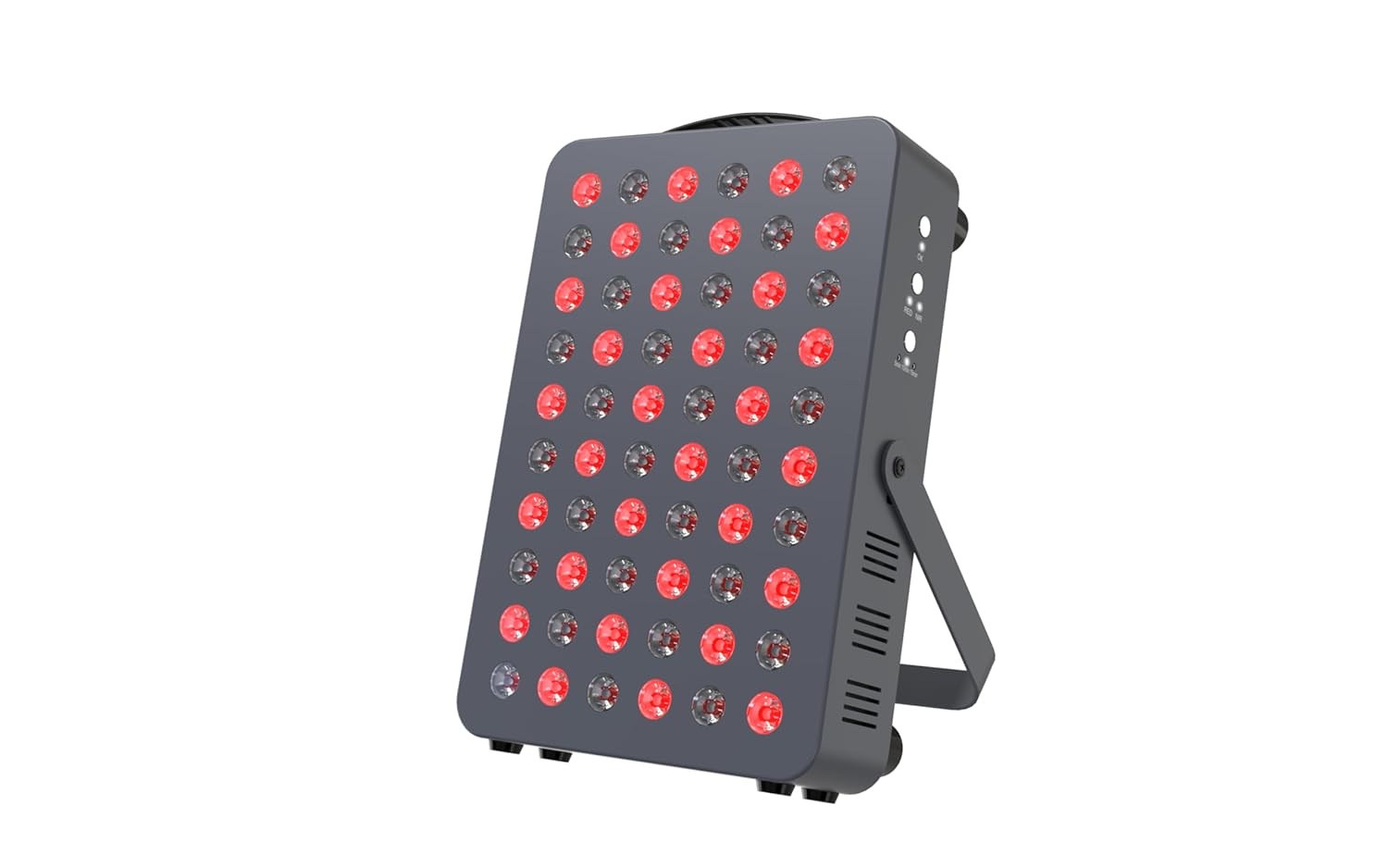
Full-body systemic recovery: A large panel like the MitoPRO X ($1,099) or BioMax 900 ($1,149) at 6 inches covers your entire anterior or posterior chain in a single session. Treat your front for 10–15 minutes, flip, treat your back. This is the protocol for whole-body recovery after runs, heavy lower body days, or full-body training sessions.
Budget entry point: The Hooga HG300 ($170) covers targeted areas effectively: back, legs, or shoulders one zone at a time. Sufficient for athletes working a specific recovery site on a budget.
The recovery protocol
Post-training panel session: Wait 10–15 minutes after training for heart rate to normalize. Position panel at 6 inches from the primary worked muscle groups. Set to NIR-only (850nm) or combined red + NIR mode. Treat 10–20 minutes per zone. For lower body days: quads, hamstrings, glutes. For upper body: chest/shoulders front, lats/traps back.
Targeted FlexBeam protocol: Wrap directly around the joint or muscle site immediately post-training. Run the recovery program (pre-set 20-minute protocol). Can be done simultaneously with stretching or foam rolling. Hands-free.
Frequency: Every training day. Unlike ice baths, there is no evidence that daily red light use blunts adaptation. The hypertrophy concern that exists with cold water immersion post-training (cold may blunt mTOR signaling) does not apply to red light therapy. Use it freely.
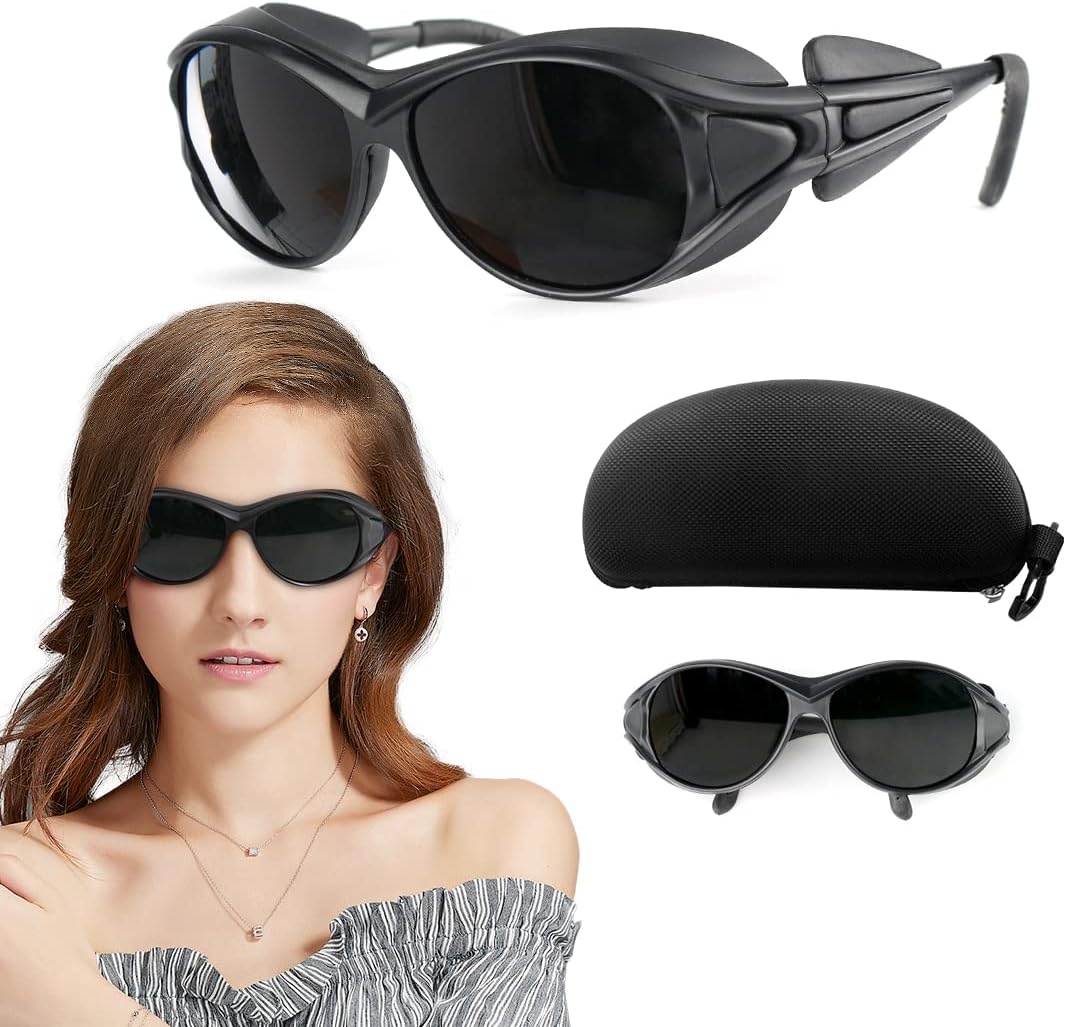
Pair with the eye protection goggles ($12) for any panel session where the device is in your line of sight.
Red light vs ice bath for recovery
This is a question worth addressing directly. Cold water immersion (CWI) has a strong evidence base for soreness reduction, but with a known tradeoff. A 2015 study in the Journal of Physiology found that post-exercise cold water immersion attenuated long-term strength and muscle mass gains by blunting satellite cell activity and mTOR signaling. If your goal is performance and adaptation, aggressive post-training icing may work against you.
Red light therapy has no known equivalent tradeoff. The current evidence suggests it reduces soreness and inflammation without interfering with the adaptive signaling that drives strength gains. For athletes prioritizing both recovery and long-term adaptation, red light is the more compatible tool.
The practical answer: use contrast therapy (sauna + cold plunge) on rest days for systemic recovery, and red light on training days for local muscle recovery. These are complementary, not competing protocols.