RoundupMarch 2, 20264 min read

Best Red Light Therapy Panels in 2026

The red light therapy panel market has exploded. Hundreds of brands, identical-looking hardware, and marketing claims that range from accurate to absurd. We cut through it by focusing on what actually determines therapeutic value: irradiance at treatment distance, verified wavelength output, and the research backing specific use cases. Here is what we vetted.

Quick Answer

What is the best red light therapy panel?

The MitoPRO X ($1,099) is the best overall panel — 6 wavelengths, app control, 150+ mW/cm² irradiance, and a modular system that scales. The PlatinumLED BioMax 900 ($1,149) is the most trusted with FDA Class II registration and 60-day trial. For budget, the Hooga HG300 ($170) delivers the two most researched wavelengths (660nm + 850nm) at under $200. The Rouge G4 Pro ($849) is the best value in the mid-range.

  • Best overall: MitoPRO X — $1,099, 6 wavelengths, app control
  • Most trusted: PlatinumLED BioMax 900 — $1,149, FDA registered, 60-day trial
  • Best budget: Hooga HG300 — $170, 660nm + 850nm, 2-year warranty
  • Best value: Rouge G4 Pro — $849, pulsing mode, 3-year warranty

How we evaluate panels

We do not test products. We research them — cross-referencing published specs against independent third-party testing data, owner reports across verified purchase reviews, and the clinical literature on what parameters actually matter for each application.

The three variables that determine panel efficacy are: irradiance (mW/cm² at your treatment distance — not at contact), wavelength accuracy (does the panel actually emit what it claims), and coverage area relative to treatment goal. Everything else — design, app features, brand — is secondary.

One thing we flag consistently: many brands report irradiance at contact distance (0 inches), which can be 3–5x higher than the 6-inch distance you actually treat from. We report 6-inch irradiance throughout.

MitoPRO X — best overall

The MitoPRO X ($1,099) leads on wavelength breadth and control precision. Six wavelengths — 630, 660, 810, 830, 850, 940nm — cover both primary therapeutic windows plus additional frequencies with emerging research support. The touchscreen and smartphone app allow protocol-level control: you can set specific wavelength combinations, session duration, and intensity independently.

Third-party testing consistently confirms 150+ mW/cm² at 6 inches. The modular design means you can start with one panel and daisy-chain additional units for full-body coverage as your protocol develops. Low EMF (<1 µT at 6 inches) is independently verified.

The tradeoff: fan noise is noticeable in a quiet room, and the app requires Bluetooth rather than WiFi. Neither is a deal-breaker for most users.

MitoPRO X SeriesMedical-grade panel with touchscreen and app control

PlatinumLED BioMax 900 — most trusted

The BioMax 900 ($1,149) has the longest verified track record in the category. FDA Class II Medical Device registration is not marketing — it requires documented safety and performance data submitted to and reviewed by the FDA. No other panel on this list carries that designation.

Five wavelengths (630, 660, 810, 830, 850nm) via their R+ NIR+ spectrum technology, 145+ mW/cm² at 6 inches confirmed by independent testing, and a 60-day money-back trial make this the lowest-risk premium purchase. If it does not work for you, you return it.

The design is dated relative to the MitoPRO X, and there is no app control. For buyers who prioritize institutional trust and return policy over features, the BioMax 900 is the safer bet.

BioMax 900The industry standard full-body panel

Rouge G4 Pro — best value

The Rouge G4 Pro ($849) is where the value case gets interesting. Four wavelengths (630, 660, 830, 850nm), 140+ mW/cm² at 6 inches, pulsing mode at 10Hz, and a 3-year warranty — at $250–300 less than the premium options. Named top panel pick by Light Therapy Insiders in 2025 based on independent testing.

The pulsing mode has theoretical support from photobiomodulation research suggesting that pulsed light may produce stronger mitochondrial signaling than continuous wave at equivalent energy doses. The evidence is not conclusive, but it is a feature no other panel in this price range offers.

Brand recognition is lower, and customer support response times are slower than Mito Red or PlatinumLED. If you want strong performance without the premium brand premium, this is the pick.

Rouge G4 ProStrong value panel with pulsing capability

Hooga HG300 — best budget

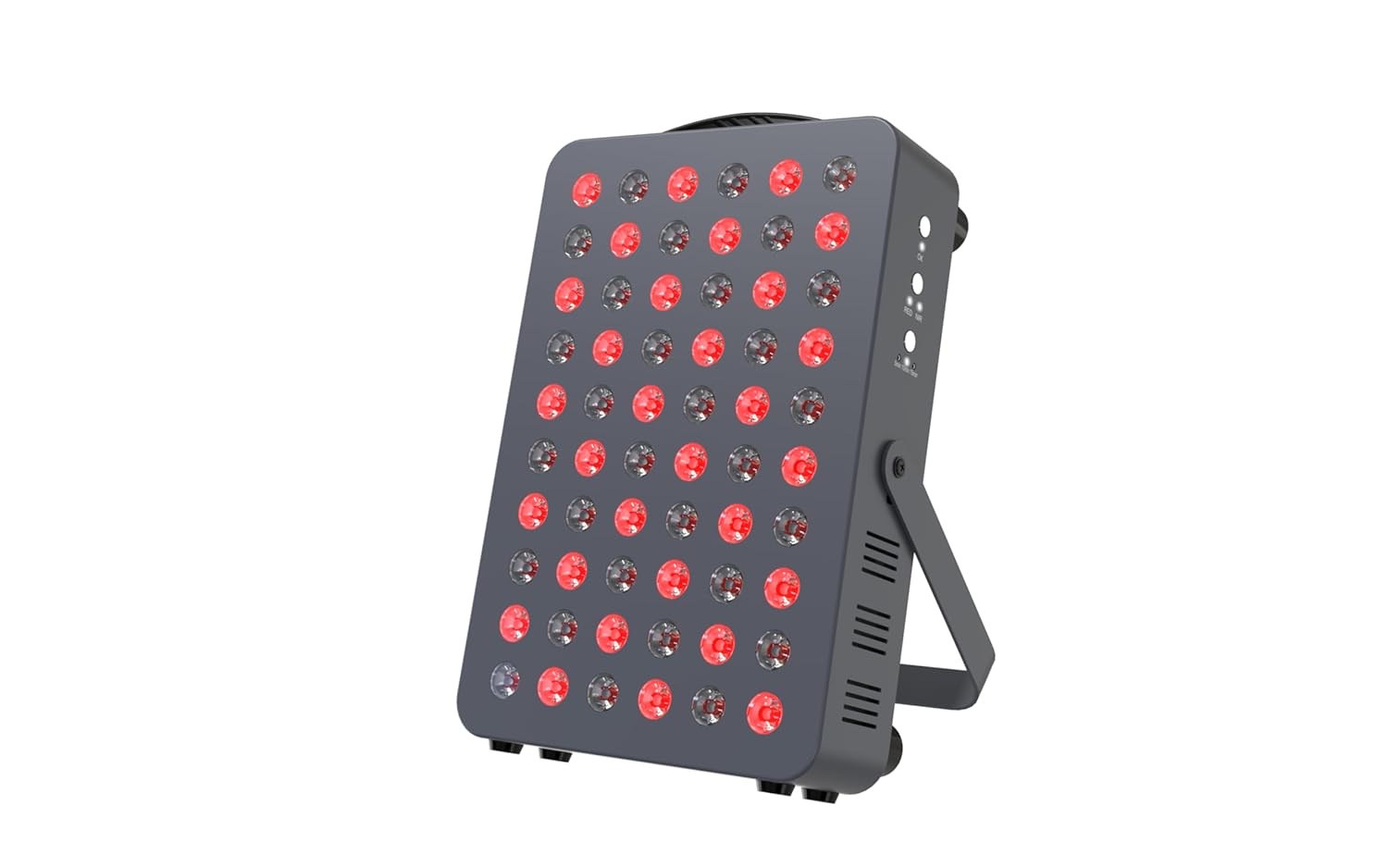
The Hooga HG300 ($170) makes red light therapy accessible. Sixty LEDs at 660nm and 850nm — the two most researched wavelengths — with independent mode switching, 100+ mW/cm² at 6 inches, and a 2-year warranty. Over 900 verified reviews at 4.5 stars.

The coverage area is targeted, not full-body. At 12" × 8", this is appropriate for face, knee, shoulder, or lower back — one zone per session. If your primary application is facial skin or a specific pain site, the HG300 delivers clinically relevant irradiance at a price that makes daily use a low-commitment habit.

For whole-body treatment goals, you would need two or more HG300 units — at which point the Rouge G4 Pro becomes the more efficient purchase.

HG300 Red Light PanelBest budget red light therapy panel

BON CHARGE Max — best for dual-mode simplicity

The BON CHARGE Max ($999) takes a deliberately simple approach: two wavelengths (660nm + 850nm), three modes (red only, NIR only, combined), built-in 20-minute timer. No app, no pulsing, no additional wavelengths. Just clean dual-wavelength output in a full-body panel format.

At 130+ mW/cm² and 200 LEDs, it is slightly below the MitoPRO X and BioMax 900 on raw irradiance. The 1-year warranty is the shortest in the premium tier — a meaningful gap versus the 3-year warranties on the Mito Red and Rouge. BON CHARGE is a credible wellness brand with strong customer support; the panel benefits from that infrastructure even if the hardware specs are not class-leading.

Best for: buyers who want a full-panel from a known brand with a simple interface and do not want to research wavelength protocols.

Max Red Light PanelFull-body wellness panel from a trusted brand

FlexBeam — best portable

The FlexBeam ($568) occupies a different category entirely. Three wavelengths (630, 660, 850nm), 200+ mW/cm² at contact, fully cordless, and wraps around any joint or muscle group. Built for targeted treatment on the go — a knee during travel, a shoulder at the office, post-training treatment at the gym.

At contact distance, the FlexBeam delivers higher irradiance than any panel on this list. The tradeoff is coverage area: 24 LEDs treat one zone at a time. For athletes with a specific chronic pain site or those who travel and want to maintain their protocol, it is the only portable device worth considering at this tier.

Recharge Health has published clinical research partnerships backing the FlexBeam specifically — an unusual level of evidentiary investment for a consumer device brand.

FlexBeamMost powerful portable red light device

What to buy based on your goal

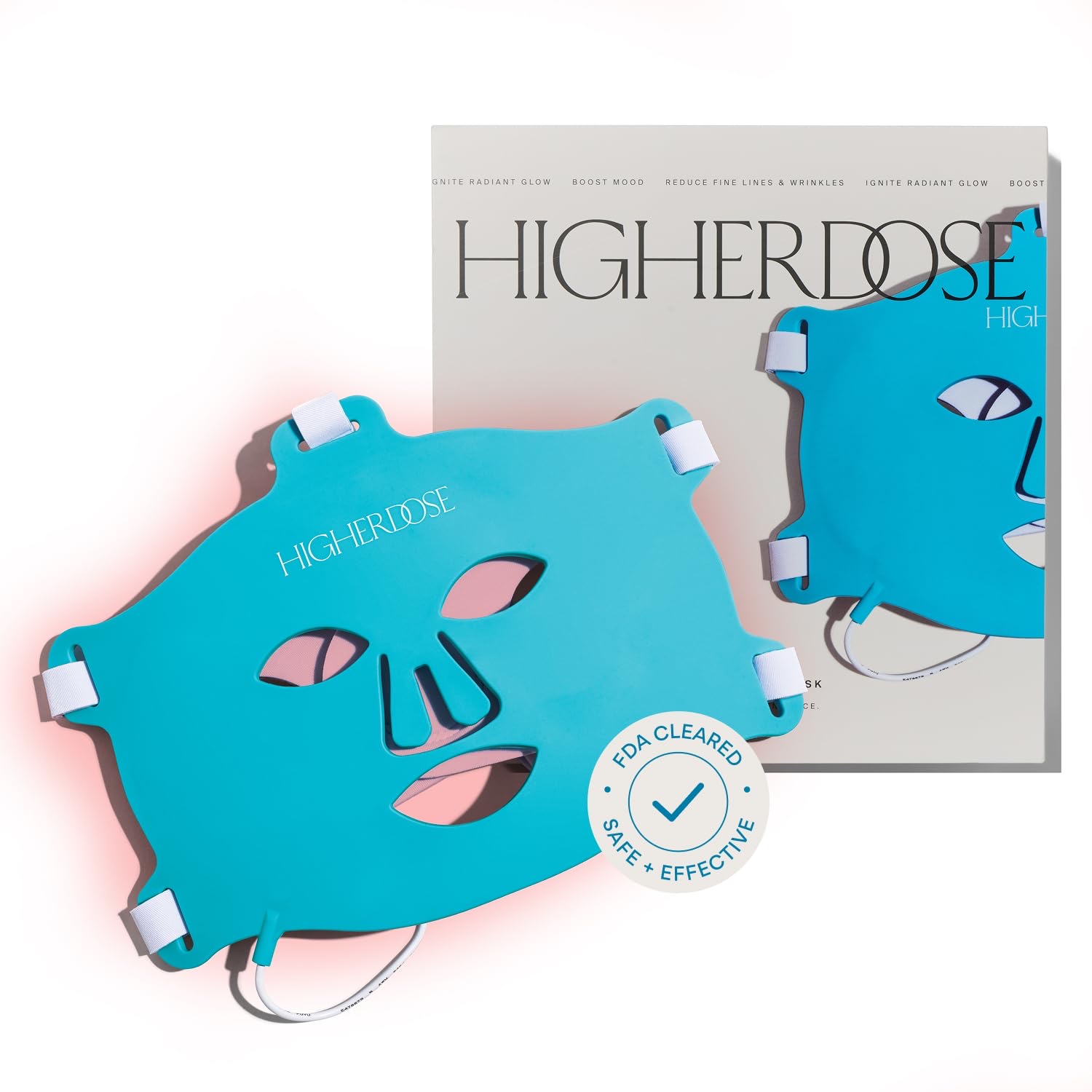
Skin rejuvenation, face-focused: HigherDOSE Face Mask ($349) for wearable convenience, or any panel at 6–12 inches for broader coverage.

Full-body recovery and performance: MitoPRO X ($1,099) or BioMax 900 ($1,149). Pair with eye protection ($12) and a door mount ($35) for zero-installation setup.

Targeted joint or pain treatment: FlexBeam ($568) for portability, or Hooga HG300 ($170) as a stationary budget option.

First panel, uncertain commitment: Hooga HG300 ($170). The two core wavelengths, low financial risk, and enough performance to validate whether red light therapy works for you before committing to a $1,000+ panel.

Red Light Face MaskPremium LED face mask for skin rejuvenation
MitoPRO X SeriesMedical-grade panel with touchscreen and app control
BioMax 900The industry standard full-body panel
FlexBeamMost powerful portable red light device
HG300 Red Light PanelBest budget red light therapy panel
Red Light Therapy Eye Protection GogglesEssential eye protection for panel sessions
Panel Door Mount KitOver-door mounting system for RLT panels

Products Mentioned

Image coming soon
Editor's Pick
  • 6 wavelengths (630, 660, 810, 830, 850, 940nm)
  • Touchscreen controls + smartphone app
  • Modular — daisy-chain multiple panels
Image coming soon
Most Trusted
BioMax 900
4.6(612)
  • 5 wavelengths (630, 660, 810, 830, 850nm)
  • R+ NIR+ enhanced spectrum
  • FDA Class II Medical Device
Image coming soon
Best Value Panel
Rouge G4 Pro
4.5(178)
  • 4 wavelengths (630, 660, 830, 850nm)
  • Pulsing mode (10Hz)
  • Dual-chip LED technology
Image coming soon
Best Budget
  • Dual wavelength (660nm + 850nm) 1:1 ratio
  • Independent red/NIR mode switching
  • Multiple timer settings
Image coming soon
FlexBeam
4.6(340)
  • Triple wavelength (630, 660, 850nm)
  • Rechargeable lithium battery — fully cordless
  • Adjustable 3-module wrap design
Image coming soon
  • Dual wavelength (660nm + 850nm)
  • Red, NIR, or combined modes
  • Built-in 20-minute timer
Image coming soon
  • Full blackout design
  • Adjustable elastic strap
  • Soft foam padding
Image coming soon
  • Adjustable height
  • No drilling required
  • Fits standard doors

Frequently Asked Questions

Yes, for full-body protocols. A 36" × 12" panel covers roughly half your body per session — you treat the front, then rotate to treat the back. For targeted treatment (face, knee, shoulder), a smaller panel is sufficient and more cost-effective. Match panel size to your intended coverage area, not to marketing images showing full-body coverage in one position.

Not necessarily. 660nm and 850nm are the most researched. Additional wavelengths — 630nm, 810nm, 830nm, 940nm — have supporting research but narrower evidence bases. For most users, two well-powered wavelengths outperform six poorly powered ones. Irradiance matters more than wavelength count.

6 inches is the standard treatment distance for most research protocols. Closer increases irradiance but reduces coverage area. Further reduces irradiance significantly — irradiance drops with the inverse square of distance. At 12 inches you receive roughly 25% of the irradiance compared to 6 inches. Stay at 6 inches for therapeutic dose, use the full session time.

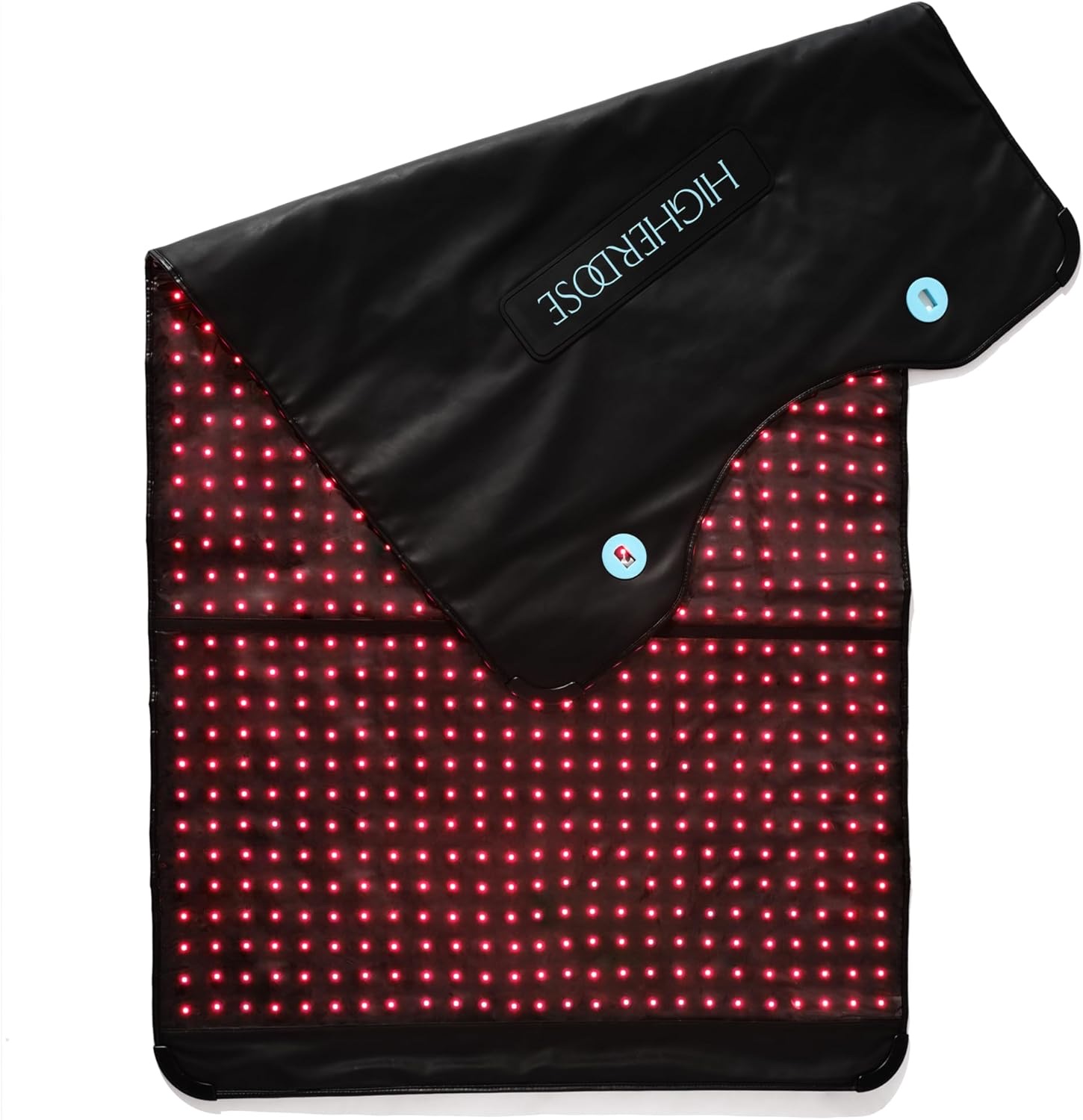
Yes, and the combination has a logical rationale. Red light before a session may prime mitochondrial function. After a cold plunge, red light applied to treated areas can support the recovery response. Avoid using panels in high-humidity environments — most are not water-resistant. A sauna blanket plus red light panel in a dry bedroom is a practical home recovery stack.

Not sure which red light therapy is right for you?

Answer a few questions and we'll match you with the best option.