The biology: why red light affects skin
Skin contains three cell types that respond directly to red light: fibroblasts (which produce collagen and elastin), keratinocytes (which form the outer skin barrier), and melanocytes (which regulate pigmentation). All three express cytochrome c oxidase, the mitochondrial enzyme that absorbs red and near-infrared light and upregulates ATP production.
When fibroblasts receive adequate red light energy, they increase collagen type I and type III synthesis. This is the fundamental mechanism behind every anti-aging claim in the category. It is not hypothetical. It has been demonstrated in in vitro cell studies, animal models, and human clinical trials with histological confirmation (actual tissue biopsies showing increased collagen density).
The relevant wavelength is primarily 630–660nm. Near-infrared (850nm) penetrates deeper and contributes to anti-inflammatory effects but does not directly drive collagen synthesis the way red light does.
Collagen and anti-aging: the evidence
The landmark study in this space was published in Photomedicine and Laser Surgery in 2014 by Wunsch and Matuschka. In a randomized, double-blind, placebo-controlled trial (the gold standard), subjects received red and NIR light twice weekly for 30 sessions. Results: significant improvements in skin complexion and skin feeling, intradermal collagen density increase confirmed by ultrasound, and reduction in skin roughness confirmed by profilometry. These were not self-reported outcomes. They were measured instrumentally and verified by blinded assessors.
A 2019 review in Seminars in Cutaneous Medicine and Surgery summarized the anti-aging evidence base: consistent findings across multiple RCTs supporting improved skin tone, reduced wrinkle appearance, and increased collagen density with regular low-level red light exposure.
Important nuance: "collagen production" takes time to manifest visibly. Studies showing significant change ran 8–30 sessions. Users who try red light for two weeks and see nothing are not using it wrong. They are not using it long enough.
Acne: the evidence
Acne involves two targets: Cutibacterium acnes (the bacteria), and inflammation. Red light at 630nm has anti-inflammatory effects that reduce the inflammatory cascade underlying acne lesions. Blue light (415nm) directly kills C. acnes via porphyrin activation. Combined red + blue protocols have the strongest evidence for acne reduction.
A meta-analysis in the Journal of Investigative Dermatology (2011) reviewed 24 studies on light therapy for acne and found meaningful reductions in inflammatory lesion counts across multiple light protocols. The effect is moderate, not as strong as topical retinoids or systemic antibiotics, but without the side effects and useful as an adjunct or maintenance treatment.
Most consumer panels emit red and NIR only, not blue. For acne specifically, a panel that includes 630nm red (for inflammation) is more useful than one focused only on 660nm. The MitoPRO X includes 630nm as one of its six wavelengths.
Wound healing: the evidence
Wound healing is one of the oldest and most documented applications of photobiomodulation, predating consumer panels by decades. Low-level laser therapy (LLLT) has been used in clinical settings for post-surgical healing, diabetic wound management, and oral mucositis (a common chemotherapy side effect) for over 30 years.
The mechanism: red light accelerates fibroblast proliferation, increases angiogenesis (new blood vessel formation), and reduces pro-inflammatory cytokines. The result is faster closure time and reduced scar formation in both acute and chronic wounds.
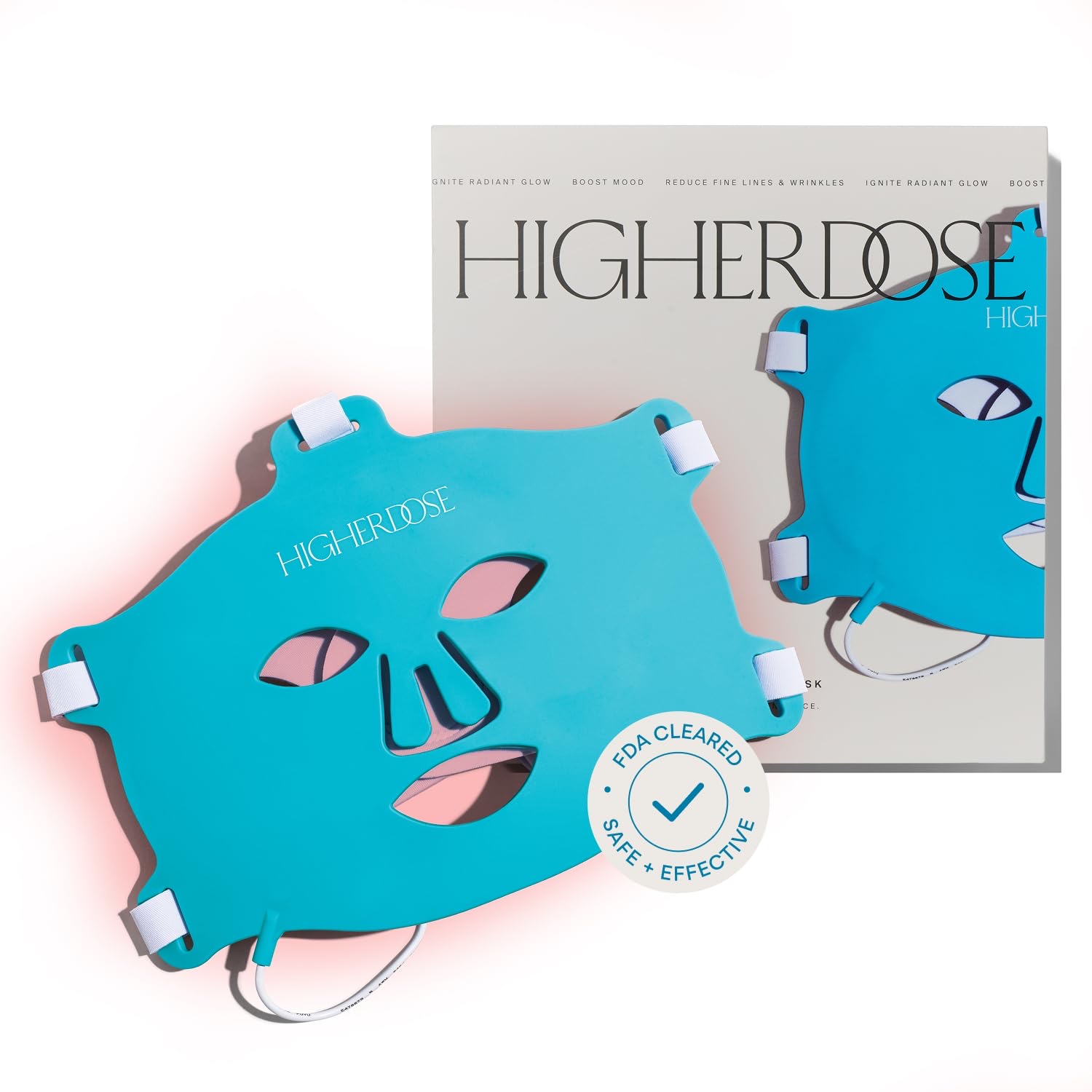
For consumer use, this translates to: faster healing of minor cuts, abrasions, and post-procedure skin (after microneedling, chemical peels, or laser treatments). Many dermatologists now recommend red light as a post-procedure adjunct. The HigherDOSE Face Mask ($349) is used by some aestheticians for exactly this application, post-facial treatment to accelerate repair.
Rosacea and hyperpigmentation
Evidence here is more limited but promising. For rosacea, red light's anti-inflammatory effects reduce redness and reactive vascular response in several small trials. A 2005 study in Dermatologic Surgery found visible improvement in rosacea redness following a series of low-level laser treatments. Consumer panel studies are scarce, but the anti-inflammatory mechanism is consistent.
For hyperpigmentation, the picture is more complex. Some research suggests red light modulates melanocyte activity and can reduce post-inflammatory hyperpigmentation (PIH). Other research suggests certain wavelengths may temporarily stimulate melanin production. The safe approach: start with low irradiance, shorter sessions, and monitor response over 4–6 weeks before increasing dose.
How to use red light for skin: the practical protocol
Wavelength: 630–660nm red light is primary for skin. If your panel has selectable modes, use red-only for facial skin sessions.
Distance: 6–12 inches. Closer is not always better for skin, and the research protocols for collagen studies typically used 6-inch distances. Some wearable devices like the HigherDOSE mask operate at contact distance with lower irradiance, achieving similar energy delivery over the fixed 10-minute timer.
Session duration: 10–20 minutes per zone. The target energy dose for skin applications is 10–30 J/cm². At 150 mW/cm² irradiance and 6 inches distance, 10–20 minutes delivers this range.
Frequency: 4–5 sessions per week. The Wunsch study used twice weekly and showed results, and more frequent sessions within reason appear to accelerate outcomes.
Timeline: Set a 12-week benchmark. Photograph the same area under the same lighting weekly. Collagen changes become visible to most users around weeks 8–12.
For face-specific treatment without a panel: The HigherDOSE Red Light Face Mask ($349) provides hands-free facial treatment with a fixed 10-minute protocol. Useful for people who find panel positioning tedious for facial sessions.
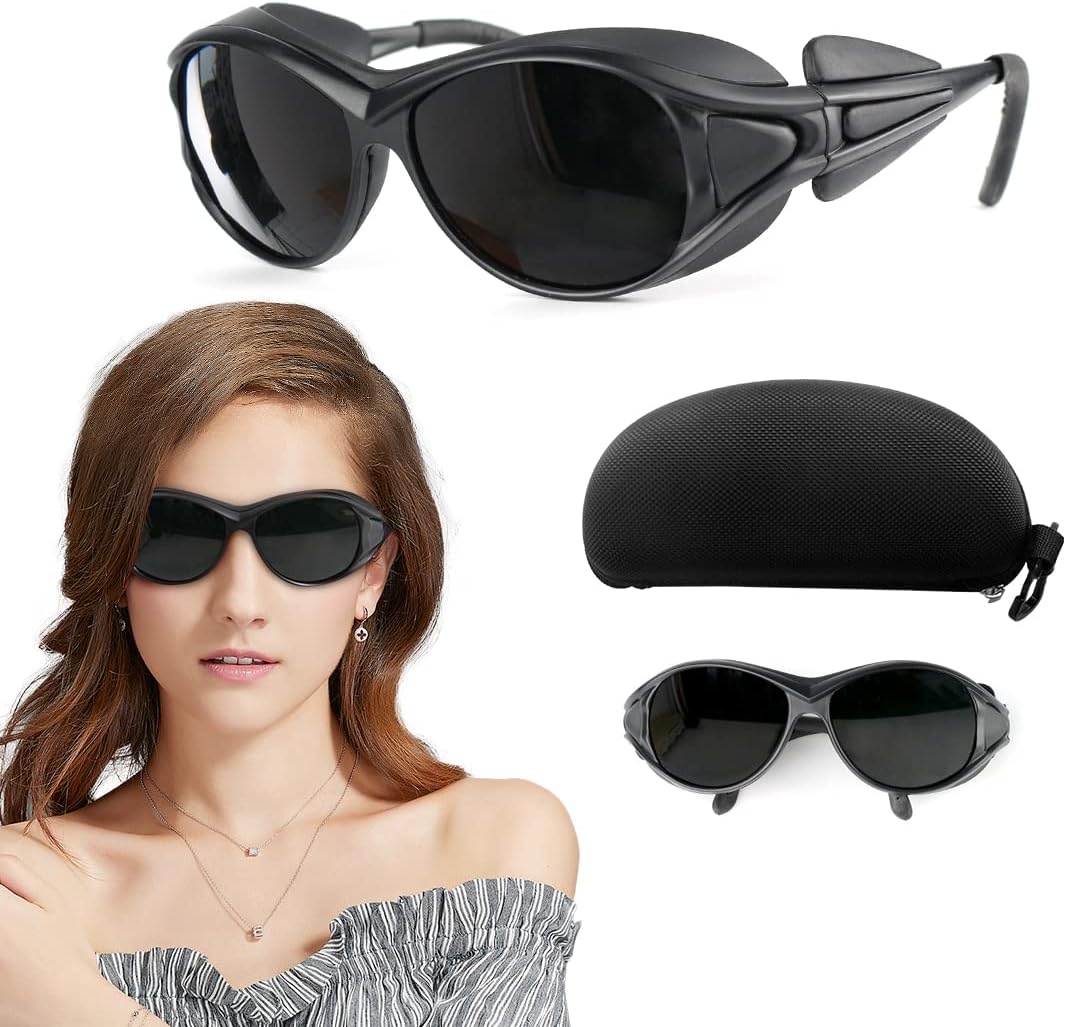
Essential accessory: Eye protection goggles ($12) for any session where the panel is within your field of vision. Non-negotiable.
What red light does not do for skin
Honesty matters here more than anywhere. Red light therapy will not:
Replace sunscreen: Red light does not protect against UV damage. If you are getting sun exposure, SPF is not optional regardless of your red light protocol.
Remove existing deep scarring: Red light accelerates surface healing and collagen remodeling, but established scar tissue (especially raised keloids or deep atrophic scars) requires clinical intervention. Red light may reduce redness and improve texture at scar margins, not eliminate structural scarring.
Produce results in weeks: The research timelines are 8–30 sessions. Two weeks of use will not show collagen changes. The mechanism is biological, and it takes time for new collagen to be synthesized, organized, and remodeled.
Work without consistency: Sporadic sessions do not accumulate benefit the way regular sessions do. The dose-response relationship in photobiomodulation is cumulative. Think of it like a training program, not a topical treatment.