Red Light Therapy
Will red light therapy help arthritis?
Alexander Liendo · Founder & Editor
The evidence is promising but not settled. Meta-analyses of randomized trials show red and near-infrared light (often called photobiomodulation or low-level laser therapy) can reduce knee osteoarthritis pain versus placebo when dosed correctly, and older reviews report short-term relief in rheumatoid arthritis. It does not rebuild cartilage, and results depend heavily on dose and consistency. Treat it as a low-risk adjunct to, never a replacement for, the plan you have with your clinician.
What people are actually asking
Arthritis here usually means one of two different diseases. Osteoarthritis is mechanical wear and inflammation of the joint surface, most often knees, hips, and hands. Rheumatoid arthritis is an autoimmune disease that attacks the joint lining. Red light therapy has been studied in both, but the stronger and more recent evidence sits with knee osteoarthritis.
Home devices deliver red (around 660nm) and near-infrared (around 850nm) light to the skin over the joint. Near-infrared penetrates deeper, which matters for joints under muscle and fat.
How it plausibly works
Photobiomodulation research points at light absorption in mitochondria (cytochrome c oxidase), with downstream effects on cellular energy production and inflammatory signaling. In joints, the proposed effects are reduced inflammatory mediators and modest pain modulation. This is a plausible, studied mechanism, not a proven cure pathway; the honest framing is symptom relief, not disease reversal.
What the studies show
The strongest signal is in knee osteoarthritis: a 2019 meta-analysis of randomized placebo-controlled trials found clinically relevant pain reduction when the dose followed World Association for Laser Therapy recommendations, and that underdosed trials were the ones that failed. For rheumatoid arthritis, a Cochrane review reported short-term pain relief and morning-stiffness improvement versus placebo, while calling the evidence base small.
What this means in practice: dose matters more than brand, effects are measured in weeks not days, and the honest expectation is meaningful pain reduction for some people, not elimination.
A sane home protocol to evaluate it
Position the panel so the joint sits within the effective range stated by the manufacturer (usually 6 to 12 inches). Treat the joint area for 10 to 20 minutes per session, once daily or at least 5 days a week. Bare skin, no clothing over the joint. Commit to 4 to 8 weeks before judging, and track pain on a simple 0 to 10 scale twice a week so you are comparing numbers, not impressions.
If nothing has moved after 8 consistent weeks, the honest conclusion is that it is not working for your joint, and the money is better spent elsewhere.
Who should be careful
This is not medical advice, and red light therapy is an adjunct, not a treatment plan. Talk to your clinician first if you take photosensitizing medication (some antibiotics, retinoids, certain diuretics), have active cancer or a history of skin cancer in the treated area, or are pregnant. Do not shine panels into your eyes at close range. If a joint is hot, swollen, and rapidly worsening, that is a see-a-doctor-now situation, not a home-device situation.
Sources
Low-level laser therapy reduced knee osteoarthritis pain versus placebo in trials that followed recommended dosing
Stausholm et al., 2019, BMJ Open (meta-analysis of randomized placebo-controlled trials)
Short-term pain relief and reduced morning stiffness in rheumatoid arthritis versus placebo, on a small evidence base
Brosseau et al., Cochrane Database of Systematic Reviews (low level laser therapy for rheumatoid arthritis)
Photobiomodulation acts through mitochondrial photoacceptors with downstream anti-inflammatory signaling
Hamblin, 2017, AIMS Biophysics (mechanisms of photobiomodulation review)
Equipment that fits
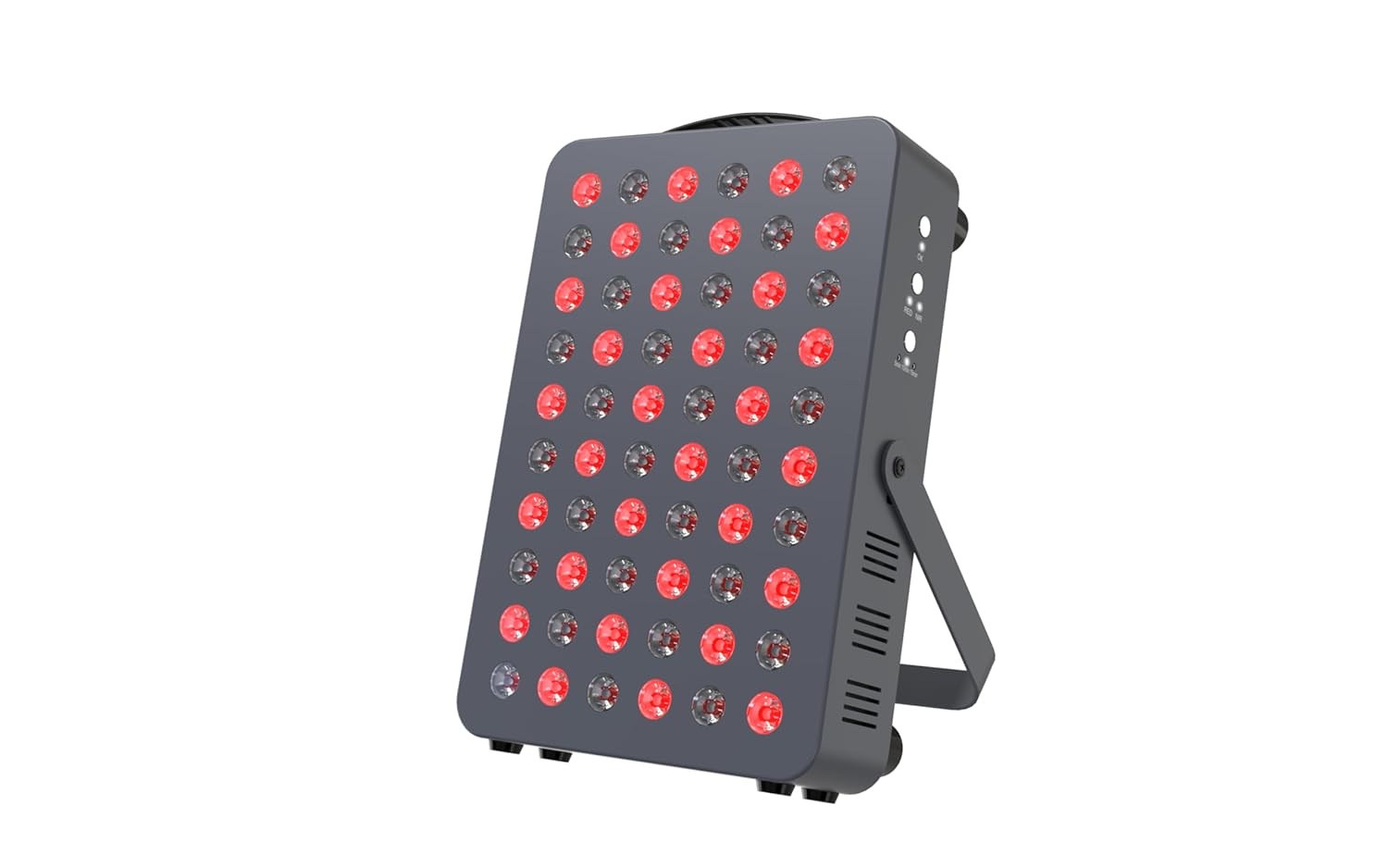
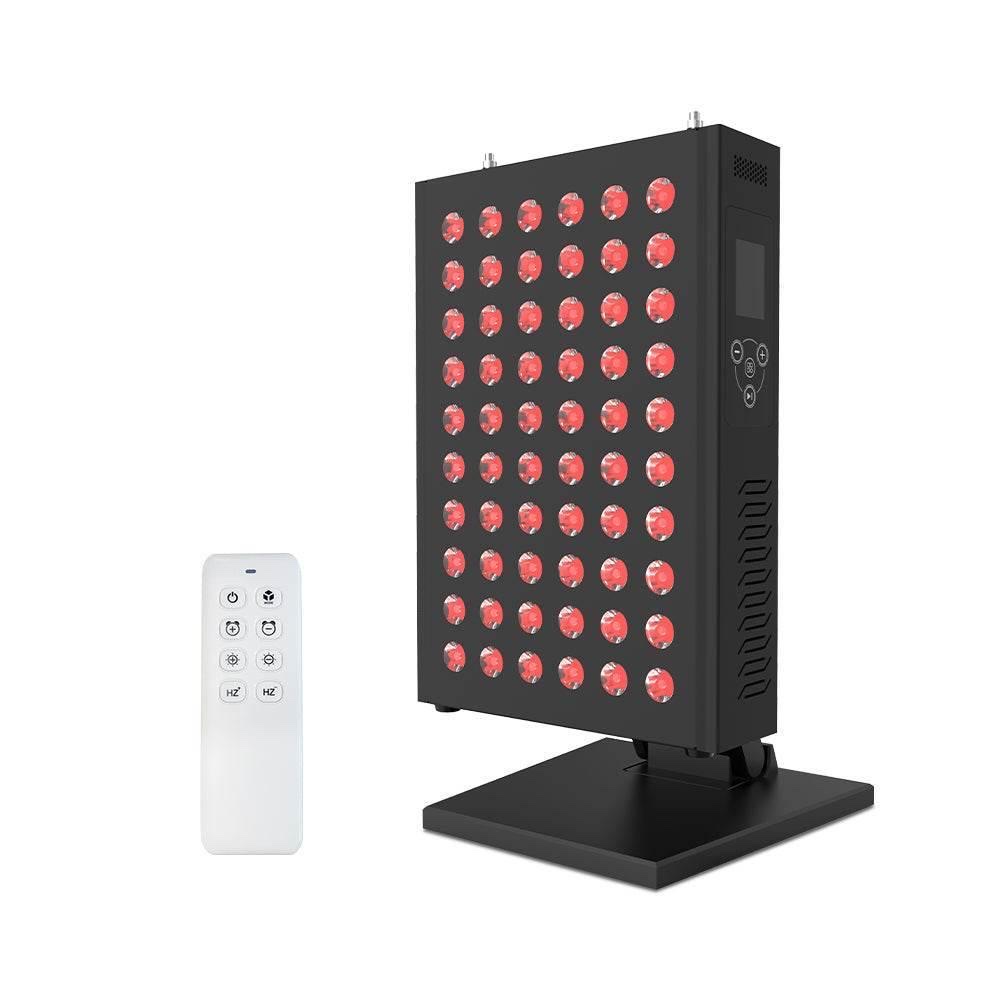
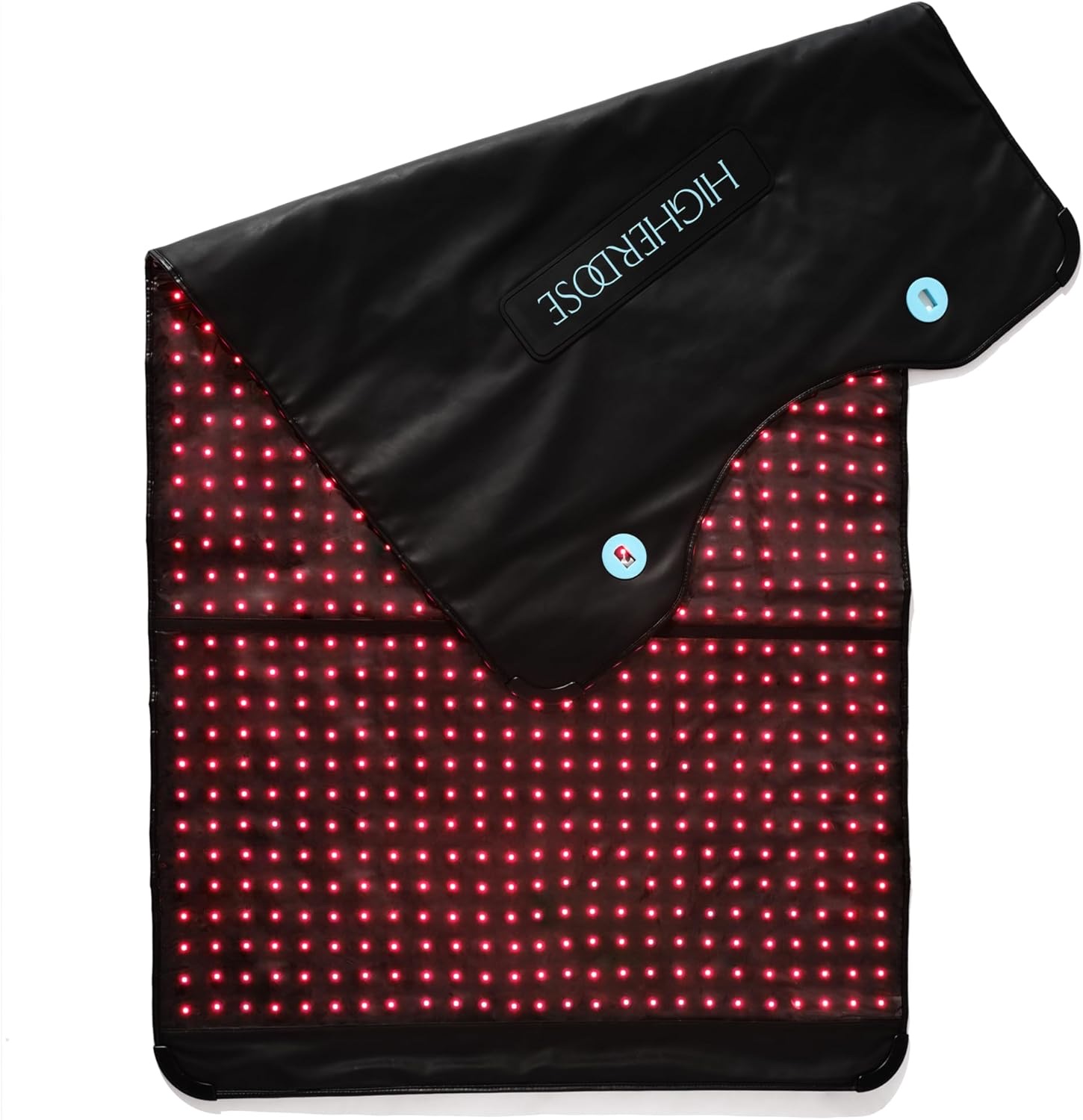
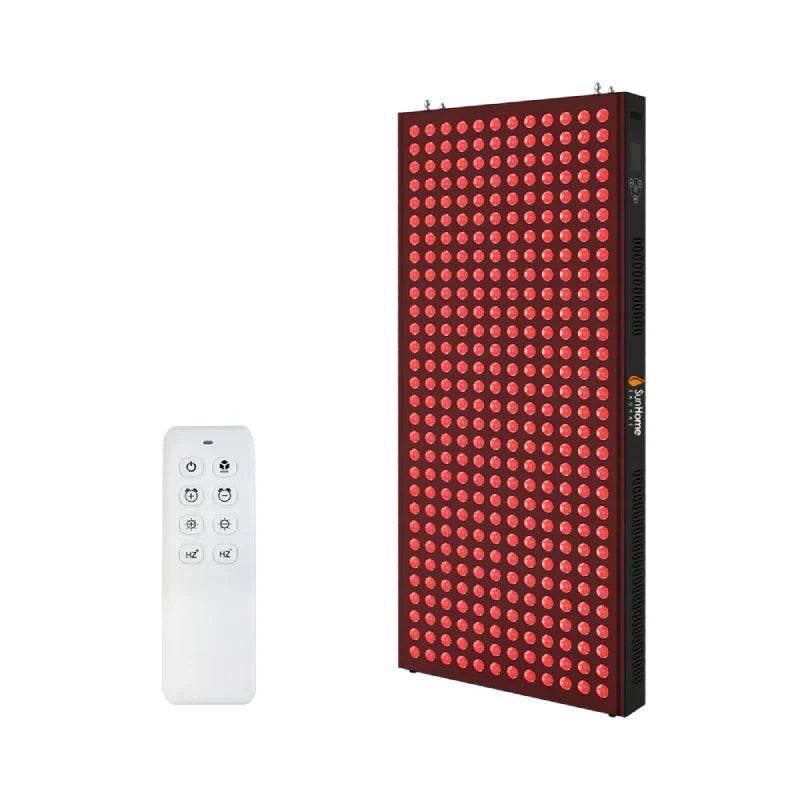
Active red light therapy picks tagged for this use, in neutral order (price, then most recently updated).
Frequently asked questions
How long does red light therapy take to work on arthritis?
The trials that showed pain reduction ran for several weeks. A fair home evaluation is 4 to 8 weeks of near-daily sessions with pain tracked on a simple scale. Days-long miracles are not what the evidence describes.
Which wavelength is best for joint pain?
Combination devices covering red (around 660nm) and near-infrared (around 850nm) are the standard choice; near-infrared penetrates deeper toward the joint. Dose and consistency mattered more than exact wavelength in the trial literature.
Can red light therapy replace my arthritis medication?
No. The evidence supports it as a low-risk add-on for pain, not a replacement for disease-modifying treatment. Changing medication without your clinician is the one clearly bad move here.