Cost: sauna wins, and it is not close
Purchase price: A quality barrel sauna runs $4,770-$5,715 (Almost Heaven Salem to Pinnacle) with heater included. A comparable hot tub runs $5,000-$15,000.
Monthly operating cost: A sauna costs $10-25/month in electricity (4 sessions/week, 45-60 min heat-up). A hot tub costs $50-100/month in electricity (running 24/7 to maintain temperature) plus $30-75/month in chemicals (chlorine, bromine, pH balancers, shock treatments, filters).
Over 5 years: A $5,715 sauna with $15/month operating costs = $6,615 total. A $7,500 hot tub with $125/month operating costs = $15,000 total. The sauna costs less than half.
Maintenance time: A sauna needs 2-3 hours per year (wood sealant, rock replacement). A hot tub needs 1-2 hours per week (water testing, chemical balancing, filter cleaning, draining every 3-4 months). That adds up to 50-100 hours per year.
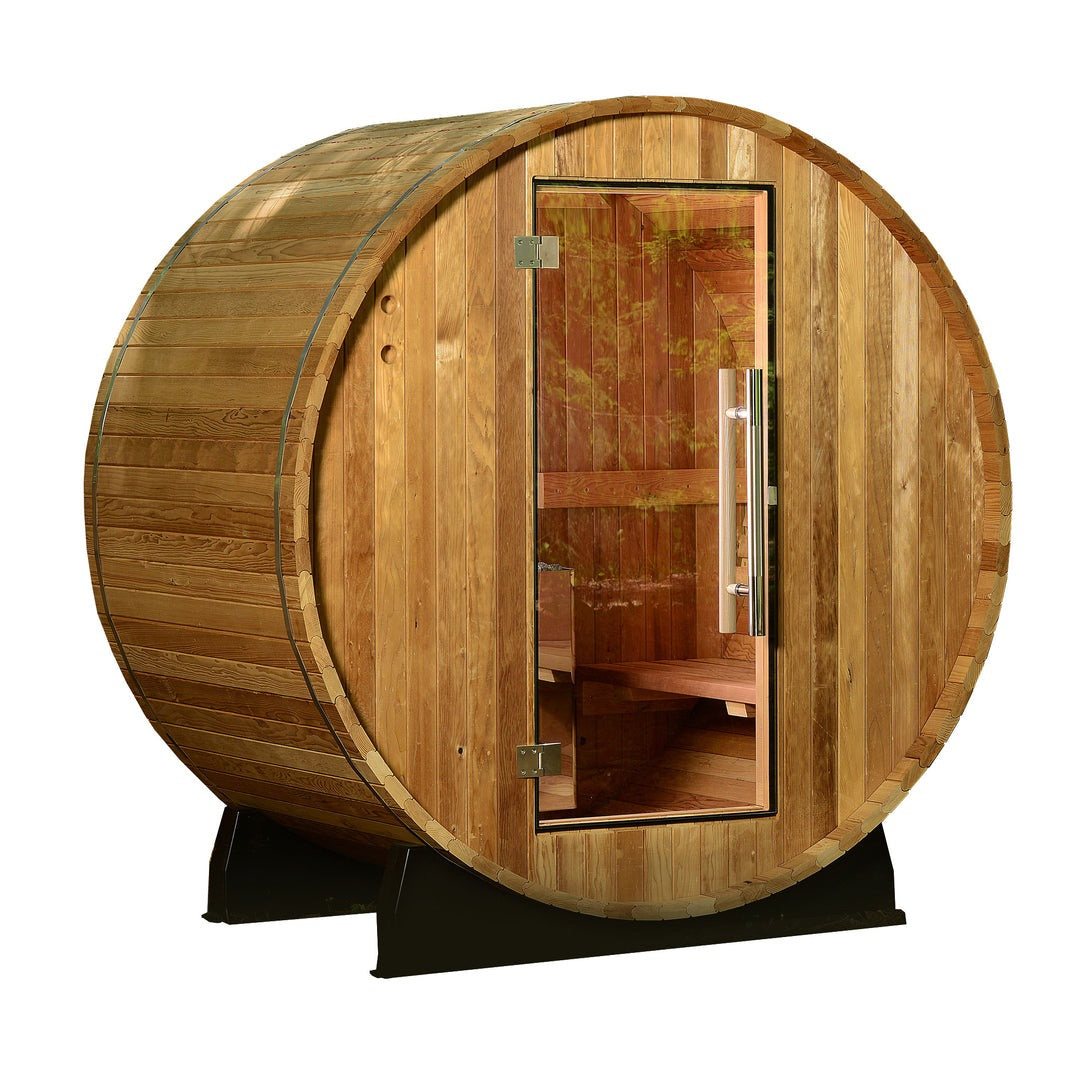
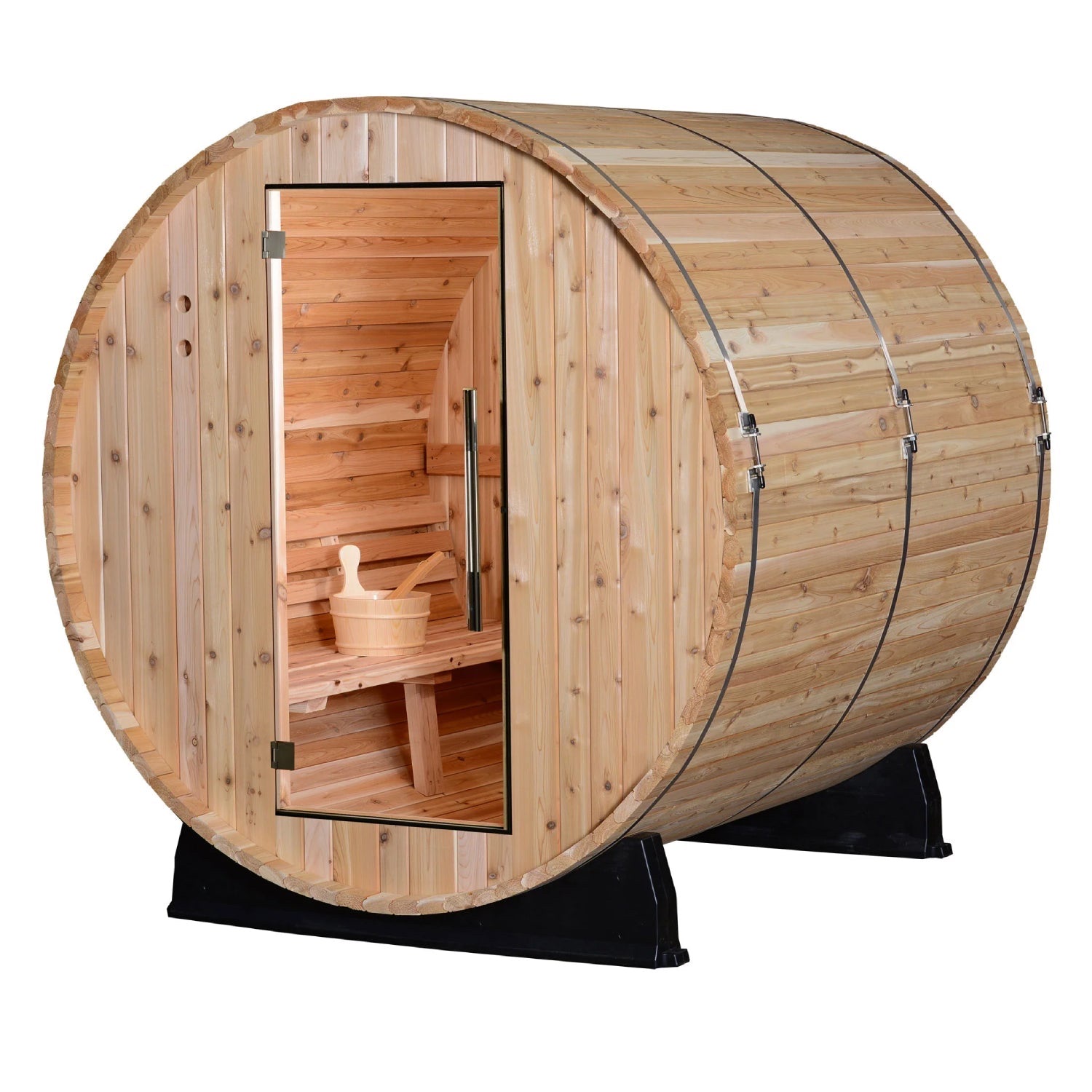
Health: sauna has the data
The Kuopio Ischemic Heart Disease study tracked 2,315 Finnish men for 20 years. Men who used saunas 4-7 times per week had 48% lower risk of fatal heart disease and 66% lower risk of dementia compared to once-per-week users. No comparable long-term study exists for hot tubs.
Hot tubs provide genuine hydrotherapy benefits: buoyancy reduces joint load, warm water relaxes muscles, and the jet massage addresses specific pain points. For arthritis and joint conditions, hot tubs may be more directly therapeutic than saunas.
Saunas produce a cardiovascular stress response similar to moderate exercise (heart rate 100-150 BPM). Hot tubs raise heart rate modestly but not to the same degree. The sauna's dry heat at 190°F+ triggers hormonal responses (growth hormone, norepinephrine) that hot tub temperatures (100-104°F) do not.
If you are buying primarily for health: sauna. If you are buying primarily for joint pain: hot tub. If you are buying for relaxation: either works, but the sauna costs less to maintain that habit long-term.
The maintenance reality
This is where most hot tub owners eventually feel regret. Water chemistry is relentless. Test pH twice per week. Add sanitizer. Shock the water after heavy use. Clean the filter monthly. Drain and refill every 3-4 months. Miss a week and you get cloudy water, biofilm, or worse.
A sauna needs wood sealant once per year and fresh heater rocks every 12-18 months. Wipe down the interior after sweaty sessions. That is it. No chemicals. No water testing. No filters. No draining. The maintenance difference over a decade is hundreds of hours.
Hot tub owners who travel frequently or have unpredictable schedules often find the maintenance burden unsustainable. A sauna waits for you. A hot tub punishes you for leaving.
Social use and entertainment
Hot tubs are better for socializing. Sitting in warm water with drinks is a universally appealing social activity. A hot tub seats 4-8 people comfortably and nobody needs to know how to "use" it.
Saunas are more niche socially. Not everyone enjoys 190°F heat. Sessions are typically 15-30 minutes before stepping out to cool down. The experience is more contemplative than conversational. A Dundalk Serenity with its built-in porch bridges this gap somewhat, but a sauna will never replace a hot tub for backyard entertaining.
If you host regularly and the backyard amenity is partly about impressing guests: hot tub. If it is primarily for you and your household: sauna.

The verdict
Buy a sauna if: health benefits matter, you want low maintenance, you prefer dry heat, or you want the lowest total cost of ownership. Start with the Almost Heaven Pinnacle ($5,715) for the best all-in value.
Buy a hot tub if: socializing is the primary use case, you want hydrotherapy for joint pain, or you value the hot water experience specifically.
Buy both if: you have the space and budget. A sauna + cold plunge + hot tub is the complete recovery trifecta. But if you can only choose one, the sauna delivers more health benefit per dollar with a fraction of the maintenance.
Use HSA/FSA funds through TrueMed at Select Saunas to save 25-40% on your sauna purchase. Hot tubs do not qualify for HSA/FSA.