What the research measured
The most cited cold exposure study (Šrámek et al., 2000, published in the European Journal of Applied Physiology) measured neurochemical responses after one hour of immersion at 57°F (14°C). The results: plasma dopamine increased by 250% and norepinephrine by 530%.
One hour is a long time. Almost nobody cold plunges for an hour. So what happens in shorter timeframes?
A study by Frank et al. measured norepinephrine release at just two minutes of cold water immersion at 50°F (10°C) and found a roughly 84% increase, which is significant but less than the one-hour figure. This tells us the response scales with duration, at least up to a point.
The practical research consensus, including protocols recommended by Dr. Andrew Huberman and Dr. Susanna Søberg, points to a sweet spot: 1–5 minutes per session, 2–4 times per week, totaling 11+ minutes per week.
Why temperature changes the duration equation
Duration and temperature are inversely related for achieving the same stimulus:
- At 55–60°F (13–16°C): 3–5 minutes delivers a strong neurochemical response. This is the range most beginners can tolerate and where the research shows clear benefits.
- At 45–50°F (7–10°C): 1–3 minutes is sufficient. The colder water activates thermal receptors more aggressively, so less time is needed.
- At 40–45°F (4–7°C): 30 seconds to 2 minutes. This is very cold. The sympathetic response is rapid and intense. Extended exposure at these temperatures carries real risk.
The critical insight: there is a minimum threshold of cold stimulus needed to trigger the dopamine and norepinephrine cascade, and you can reach it through colder water for less time or moderately cold water for more time. Both paths work.
The diminishing returns problem
If 2 minutes is good, is 10 minutes three times as good? Not exactly.
The neurochemical response to cold exposure follows a diminishing returns curve. The most significant release occurs in the first 1–3 minutes as the cold shock response activates. After your body begins to adapt within the session (breathing normalizes, shivering may begin) the rate of additional neurochemical release slows.
This is why Huberman and others recommend a total weekly target (11 minutes) rather than pushing for marathon sessions. Four 3-minute sessions are likely more effective than one 12-minute session, because each re-exposure triggers a fresh cold shock response.
What happens at each time point
0–30 seconds: Cold shock response. Gasping reflex, heart rate spike, massive sympathetic activation. Norepinephrine release begins immediately. This is the hardest part. Controlled breathing is essential.
30 seconds – 2 minutes: Adaptation phase. Breathing begins to normalize. The initial panic subsides. Dopamine release is building. Most people find a state of calm alertness around the 90-second mark.
2–5 minutes: Sustained exposure. Full neurochemical response is underway. Body temperature begins to drop. Most protocol recommendations fall within this range, providing enough stimulus for adaptation without excessive cold stress.
5–10 minutes: Extended exposure. Benefits continue but the rate of return diminishes. Core temperature is dropping meaningfully. This range is for experienced cold plungers with significant tolerance.
10+ minutes: Diminishing returns and increasing risk. Hypothermia risk becomes real, especially below 50°F. No research suggests 10+ minutes is necessary for dopamine benefits.
The practical protocol
For most people, the optimal cold plunge session looks like this:
- Set water temperature to 50–55°F (10–13°C). Cold enough to be uncomfortable, manageable enough to sustain.
- Enter slowly. Submerge to the neck. Head stays above water.
- Control your breathing for the first 30 seconds. In through the nose, out through the mouth.
- Stay for 2–3 minutes. Time it. Do not guess.
- Exit and rewarm naturally. No hot shower for at least 10 minutes. Let your body shiver. The shivering extends the metabolic and neurochemical benefits.
- Repeat 3–4 times per week. Aim for 11+ total minutes weekly.
Equipment matters for timing
Precise timing depends on precise temperature. If you are adding ice to a tub and guessing the temperature, your sessions are inconsistent: sometimes colder (and 2 minutes is too long), sometimes warmer (and 3 minutes is not enough).
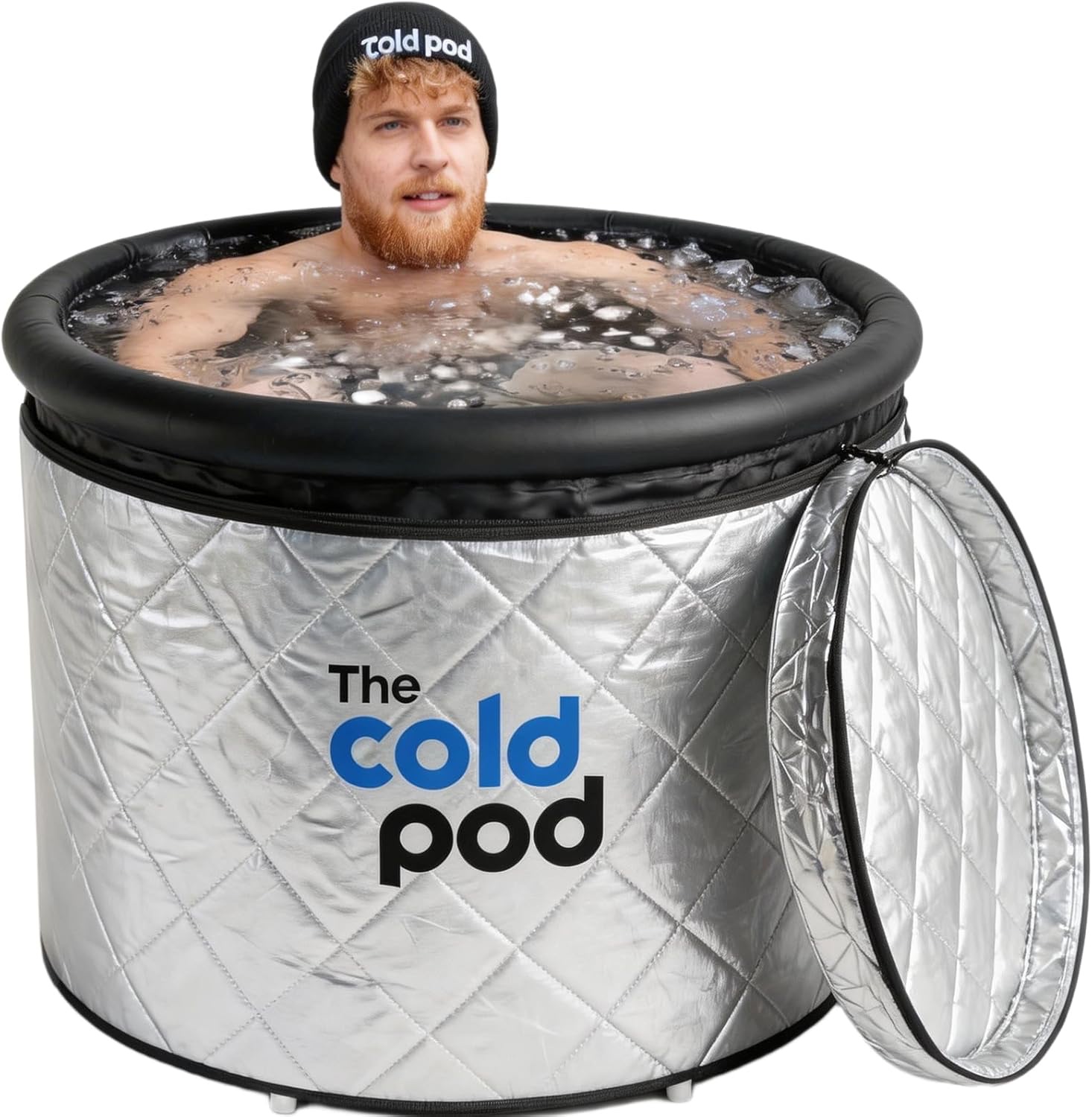
A basic portable tub with a floating thermometer solves most of this. For full precision, a chiller-equipped cold plunge maintains exact temperatures session after session, which means your 3-minute session at 50°F delivers the same stimulus every time.
This consistency is what separates people who cold plunge for a month from people who build a lasting practice. When the variables are controlled, you can trust the process and stop overthinking the details.
For dopamine: 2–3 minutes at 50–55°F, 3–4 times per week. That is it. The science supports it, the protocols recommend it, and it is sustainable long-term. Do not chase longer sessions. Chase consistency.
Sources: Šrámek et al., Eur J Appl Physiol (2000); Søberg et al., Cell Reports Medicine (2021); Leppäluoto et al., Int J Circumpolar Health (2008).